Neurology & Psychiatry
1793
Pinel's reforms at Bicêtre
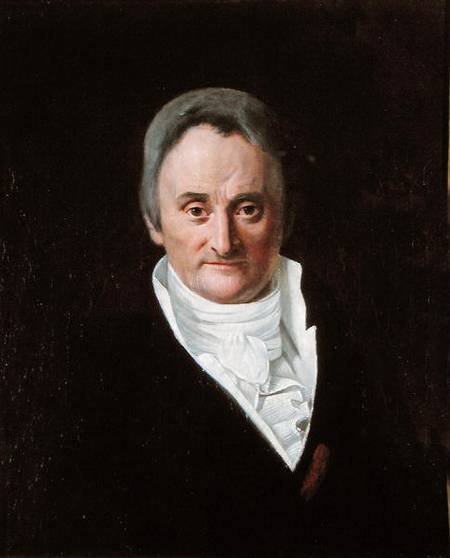
Philippe Pinel became senior physician at the Bicêtre hospital in Paris in 1793, where he and the superintendent Jean-Baptiste Pussin cut back the use of chains and force. Pinel set out their approach in his Treatise on Insanity of 1801.
Key people
- Philippe Pinel
- Senior physician at Bicêtre from 1793; wrote the 1801 Treatise
- Jean-Baptiste Pussin
- Bicêtre superintendent; first to remove patients' chains there
- Scipion Pinel
- Pinel's son; probably inflated his father's role as liberator
Source
A painting and a statue show Philippe Pinel ordering chains removed from mental patients, and the story is usually set at Bicêtre in Paris in 1793. The scene is partly legend. His son Scipion probably inflated his father's part as liberator, and the first person to take patients out of chains there was the hospital's superintendent, Jean-Baptiste Pussin.
Pinel, born in 1745, had studied medicine at Toulouse and Montpellier and came to Paris in 1778, where he translated the works of William Cullen. In August 1793, aged 48, he was appointed senior physician at Bicêtre, in the year the Terror began. He and Pussin worked to reduce chains and other coercion, and together they developed what became known as moral treatment. Pussin often hired former patients as attendants, believing they would be gentler and more humane. Pinel moved to the Salpêtrière in 1795.
He described the method in his Traité médico-philosophique sur l'aliénation mentale, published in 1801 and translated into English in 1806. The insane, he argued, were sick people, not wrongdoers to be punished. He sorted mental derangement into five species: melancholia, mania without delirium, mania with delirium, dementia and idiocy. He did not give up restraint altogether. A violent patient was to be held no more than safety required, and for that, he wrote, the strait-waistcoat was generally enough.
The book cites Pussin by name and describes his methods. One patient had refused all food for four days and smashed his straw bed. Pussin appeared at his door one night with attendants carrying loudly clanking chains, then called off the scene, left a bowl of soup and ordered him to eat it by morning. After a night of hesitation the man ate it, and from then on he accepted a restorative diet.
Keep exploring
 Read next · same disease or problem
The York Retreat (1796)
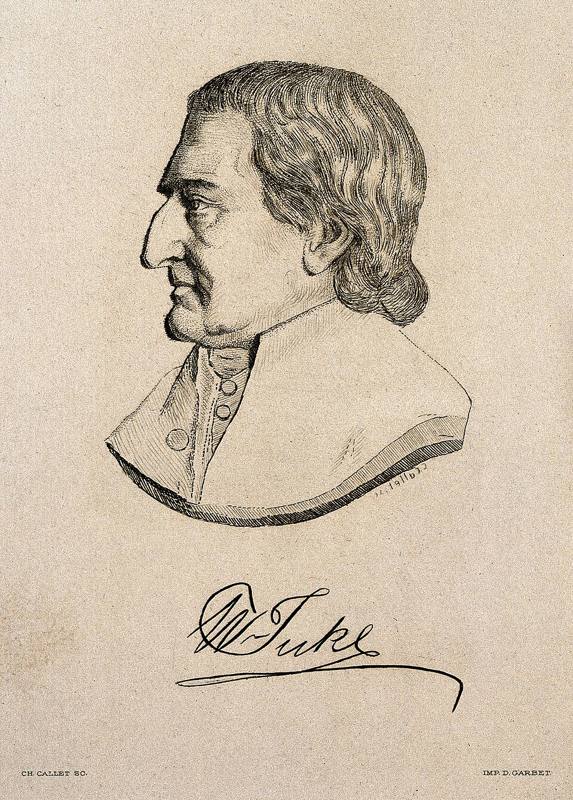
Pinel in Paris and the Tukes in York cut back chains and force in the same decade, and both approaches became known as moral treatment. The York story shows a Quaker house that looked less like a prison than a farm.
Read this moment
Read next · same disease or problem
The York Retreat (1796)
Pinel in Paris and the Tukes in York cut back chains and force in the same decade, and both approaches became known as moral treatment. The York story shows a Quaker house that looked less like a prison than a farm.
Read this moment
 Today on The Clinical Times
Love to Dream recalls portable baby sound machine over fire and burn risk
Love to Dream has recalled its portable Sleep Machine because its lithium-ion battery can overheat while charging with an incompatible charger, creating a risk of fire and burns.
Read today’s top stories
Today on The Clinical Times
Love to Dream recalls portable baby sound machine over fire and burn risk
Love to Dream has recalled its portable Sleep Machine because its lithium-ion battery can overheat while charging with an incompatible charger, creating a risk of fire and burns.
Read today’s top stories
All 526 moments in the history of medicine. This one is in chapter 3, Anatomy and observation
Connected moments
How this moment links to others in the history of medicine, and what you will find in each.
-
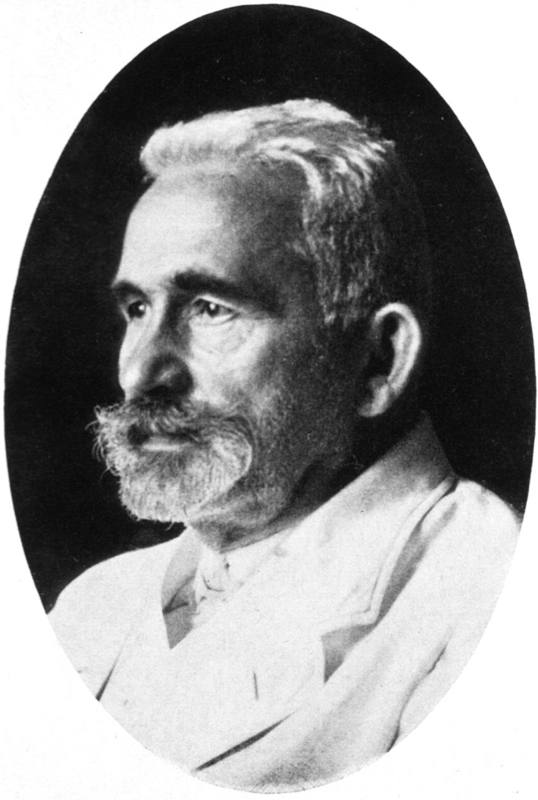 Same disease or problem1899Kraepelin's classification of mental illnessPinel sorted mental derangement into five species, and Kraepelin built a far more lasting classification a century later. His story shows how he divided the major psychoses by their course over time.Read this moment
-
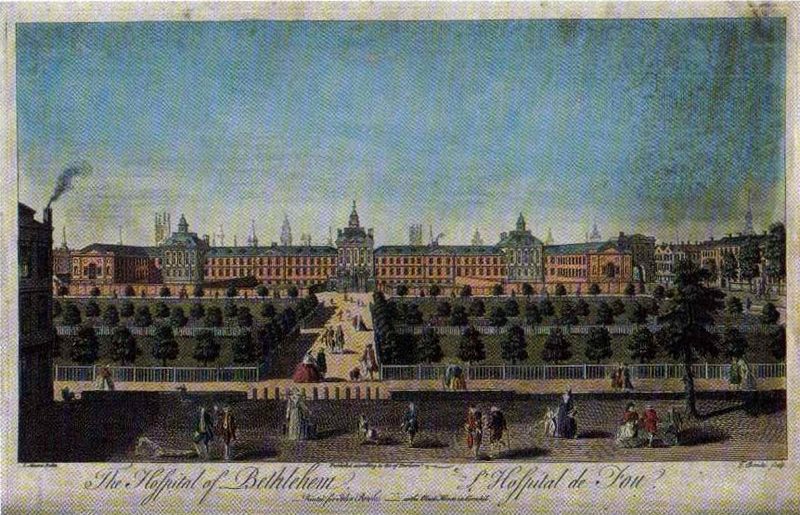 Same disease or problem1403Bethlem Hospital and the care of the insanePinel argued that the insane were sick people, not wrongdoers, at a time when houses like Bethlem had long confined them. Bethlem's story shows how a London priory became a hospital for the mentally ill.Read this moment