Neurology & Psychiatry
1899
Kraepelin's classification of mental illness
In the 1899 sixth edition of his psychiatry textbook, Emil Kraepelin divided the major psychoses by course and outcome into dementia praecox, later called schizophrenia, and manic-depressive insanity. The division still underlies the separation of schizophrenia from bipolar disorder.
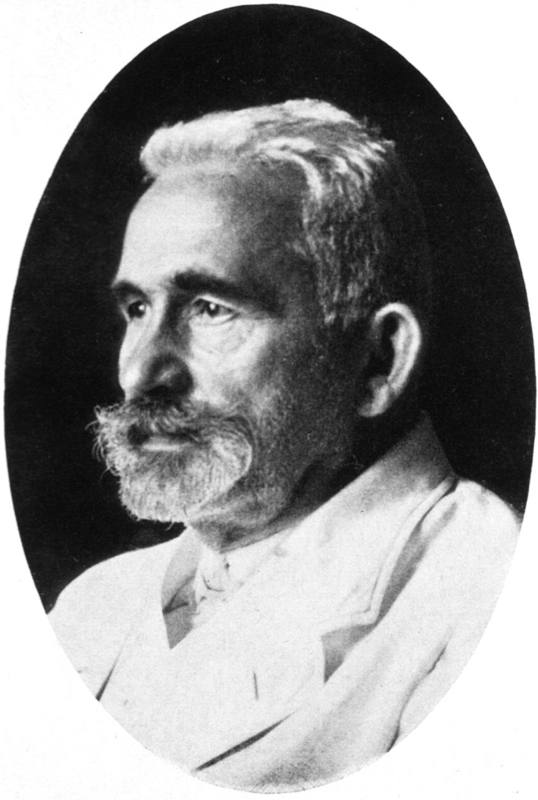
Key people
- Emil Kraepelin
- Heidelberg psychiatrist whose 1899 textbook divided the major psychoses in two
- Eugen Bleuler
- Swiss psychiatrist who renamed dementia praecox schizophrenia in 1911
Source
By the late nineteenth century European psychiatrists had described several disorders of unknown cause that struck the young and often ended in lasting decline. In France Morel called such cases démence précoce, and in Scotland Clouston wrote of adolescent insanity. In Germany Kahlbaum described catatonia, and his pupil Hecker described hebephrenia.
Emil Kraepelin (1856 to 1926), professor of psychiatry and director of the psychiatric clinic at the University of Heidelberg, followed large numbers of patients over time and grouped them by how their illness ran and ended. His textbook, first published in 1883, changed from edition to edition. In the sixth edition, published in Leipzig in 1899, he divided the major psychoses into two groups. Dementia praecox had a chronic course with steady cognitive decline. Manic-depressive insanity ran in episodes, with relatively little lasting deterioration.
He gathered catatonic, hebephrenic and paranoid forms into dementia praecox as its subtypes, and he built manic-depressive insanity from the long-described pictures of mania and depression. He never issued a list of diagnostic criteria and avoided naming any single symptom as decisive, expecting brain pathology, physiology and chemistry eventually to confirm his categories.
The Swiss psychiatrist Eugen Bleuler renamed dementia praecox schizophrenia in a 1911 monograph and widened it to include patients who did not deteriorate, calling it a group of diseases. Kraepelin himself wrote in 1920 that "our formulation of the problem may be incorrect" and considered replacing the two categories with overlapping registers of symptoms.
The two-way split outlasted his doubts. Diagnostic systems still separate schizophrenia from bipolar disorder, although a 2019 review of the dichotomy found genetic, treatment and outcome evidence both for the division and for a zone of overlap between the two illnesses.
Keep exploring
 Read next · same person
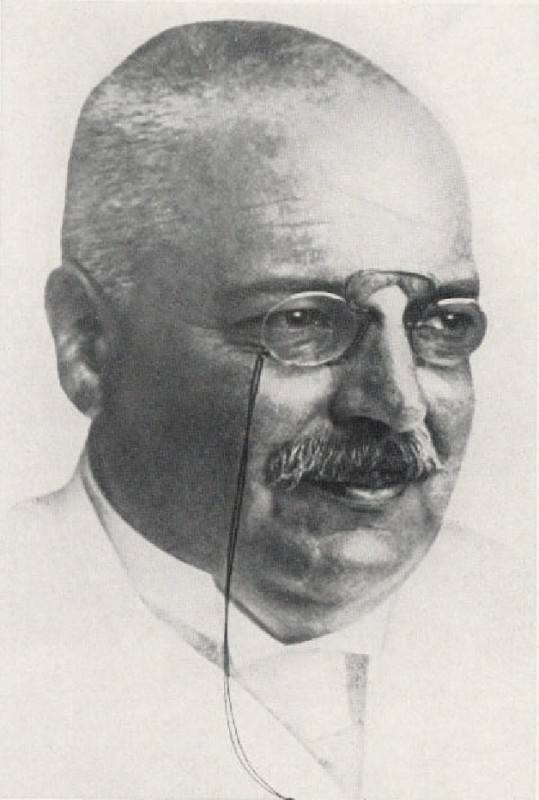
Alois Alzheimer's case of Auguste D. (1906)
Kraepelin named Alzheimer's disease in 1910 after his colleague's case of Auguste D. Alzheimer's story shows the woman whose brain held the plaques and tangles now linked to the disease.
Read this moment
Read next · same person
Alois Alzheimer's case of Auguste D. (1906)
Kraepelin named Alzheimer's disease in 1910 after his colleague's case of Auguste D. Alzheimer's story shows the woman whose brain held the plaques and tangles now linked to the disease.
Read this moment
 Today on The Clinical Times
Love to Dream recalls portable baby sound machine over fire and burn risk
Love to Dream has recalled its portable Sleep Machine because its lithium-ion battery can overheat while charging with an incompatible charger, creating a risk of fire and burns.
Read today’s top stories
Today on The Clinical Times
Love to Dream recalls portable baby sound machine over fire and burn risk
Love to Dream has recalled its portable Sleep Machine because its lithium-ion battery can overheat while charging with an incompatible charger, creating a risk of fire and burns.
Read today’s top stories
All 526 moments in the history of medicine. This one is in chapter 4, Germs, numbers and clean water
Connected moments
How this moment links to others in the history of medicine, and what you will find in each.
-
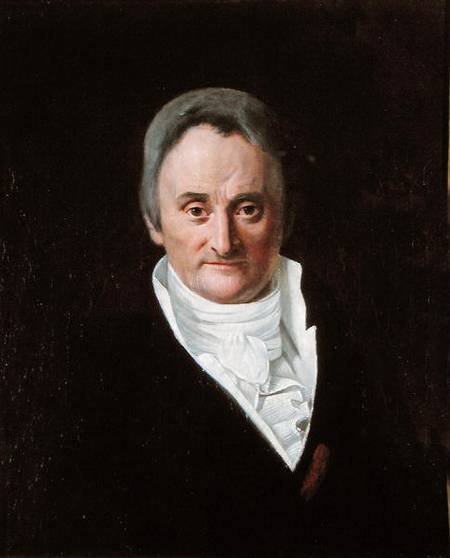 Same disease or problem1793Pinel's reforms at BicêtreKraepelin sorted the major psychoses by their course, and Pinel had sorted mental derangement into five species a century earlier. Pinel's story shows the reforms at Bicêtre that cut back chains and force.Read this moment
-
 Same disease or problem1949Cade's lithium for maniaKraepelin defined manic depressive insanity, and Cade found that lithium calmed mania. His story shows the drug that is still a first line treatment for bipolar disorder.Read this moment
-
 Same disease or problem1952Chlorpromazine in psychosis (Delay & Deniker)Kraepelin defined dementia praecox, later called schizophrenia, and chlorpromazine became the first drug to ease psychosis. Its story shows agitation and delusions easing without heavy sedation.Read this moment