Neurology & Psychiatry
1906
Alois Alzheimer's case of Auguste D.
On 3 November 1906 in Tübingen, Alois Alzheimer described a woman who had developed paranoia, memory loss and confusion at about 50 and whose brain showed plaques and neurofibrillary tangles. Kraepelin named the disease after him in 1910.
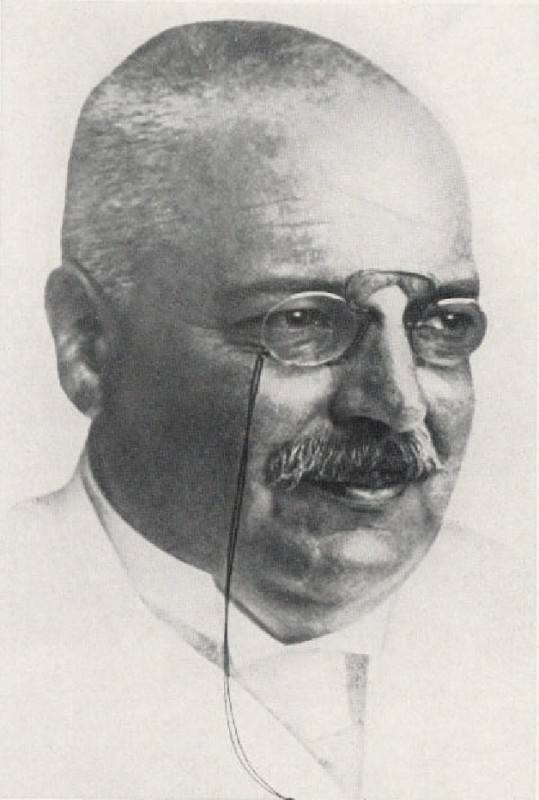
Key people
- Alois Alzheimer
- Psychiatrist and neuroanatomist who described the case in 1906
- Auguste D.
- Frankfurt patient whose illness and brain Alzheimer studied
- Emil Kraepelin
- Named Alzheimer's disease in his 1910 textbook
- Gaetano Perusini
- Coworker who published four comparable cases in 1909
Source
In March 1901 the husband of a 50-year-old woman in Frankfurt, Auguste D., noticed paranoid ideas in his wife, followed quickly by disturbed sleep, failing memory, aggression, crying and growing confusion. He took her to the Frankfurt psychiatric hospital, where Alois Alzheimer was senior assistant, and Alzheimer recorded her illness in detail from her admission in November 1901.
Alzheimer, born in Marktbreit in Bavaria in 1864, had trained in anatomy and microscopy and later joined Emil Kraepelin in Munich as a lecturer. Auguste D. remained in the Frankfurt hospital until her death on 8 April 1906, and after the autopsy Alzheimer examined her brain under the microscope, comparing what he found with more than four years of clinical notes.
On 3 November 1906, at the 37th Meeting of South-West German Psychiatrists in Tübingen, he reported on a peculiar severe disease process of the cerebral cortex, describing distinctive plaques and neurofibrillary tangles. The audience showed little interest. The chairman, Alfred Hoche, invited no discussion, the proceedings printed only a short abstract, and the local press gave the talk two lines.
Kraepelin saw its importance and included Alzheimer's disease in the eighth edition of his textbook Psychiatrie in 1910. Alzheimer's Italian coworker Gaetano Perusini published Auguste D.'s case with three similar ones in 1909. In 1911 Alzheimer described a man, Josef F., whose brain showed plaques without tangles, a form later judged to be another stage of the same process. Alzheimer died in 1915, aged 51, soon after taking the chair of psychiatry in Breslau.
In 1995 K. Maurer found Auguste D.'s clinical file in the Frankfurt archives, and her slides were later located in Munich and reexamined with modern methods. The US National Institute on Aging describes the plaques, now known to be amyloid, and the tau tangles as still among the main features of Alzheimer's disease, which it calls the most common cause of dementia among older adults.
Keep exploring
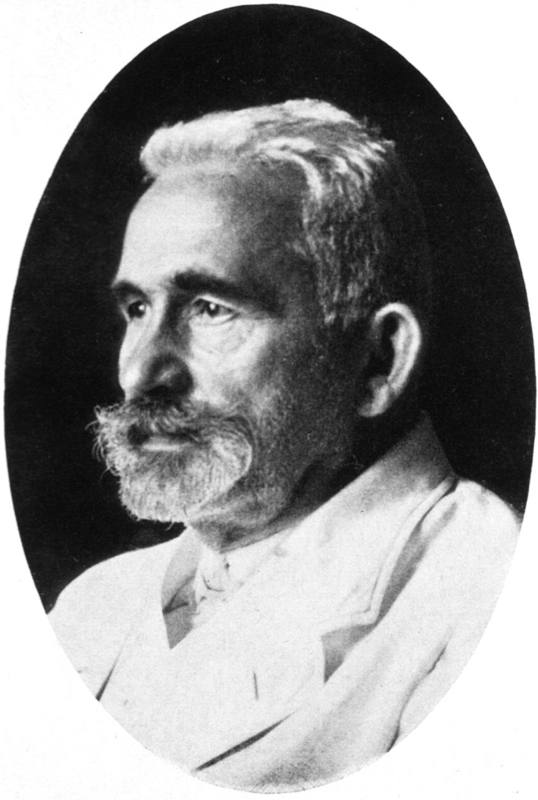 Read next · same person
Kraepelin's classification of mental illness (1899)
Kraepelin saw the importance of his colleague's case and named Alzheimer's disease in his textbook in 1910. Kraepelin's story shows his division of the major psychoses by their course.
Read this moment
Read next · same person
Kraepelin's classification of mental illness (1899)
Kraepelin saw the importance of his colleague's case and named Alzheimer's disease in his textbook in 1910. Kraepelin's story shows his division of the major psychoses by their course.
Read this moment
 Today on The Clinical Times
Love to Dream recalls portable baby sound machine over fire and burn risk
Love to Dream has recalled its portable Sleep Machine because its lithium-ion battery can overheat while charging with an incompatible charger, creating a risk of fire and burns.
Read today’s top stories
Today on The Clinical Times
Love to Dream recalls portable baby sound machine over fire and burn risk
Love to Dream has recalled its portable Sleep Machine because its lithium-ion battery can overheat while charging with an incompatible charger, creating a risk of fire and burns.
Read today’s top stories
All 526 moments in the history of medicine. This one is in chapter 5, Cures and codes
Connected moments
How this moment links to others in the history of medicine, and what you will find in each.
-
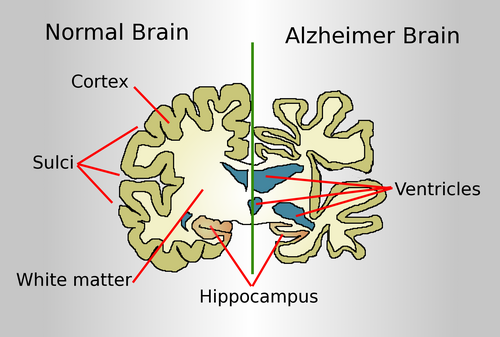 Same disease or problem2023Lecanemab (CLARITY AD): anti-amyloid antibody for Alzheimer diseaseAlzheimer described the plaques now known to be amyloid, and lecanemab clears amyloid from the brain. Its story shows a drug that slowed decline by 27 percent, at the cost of brain swelling in some patients.Read this moment
-
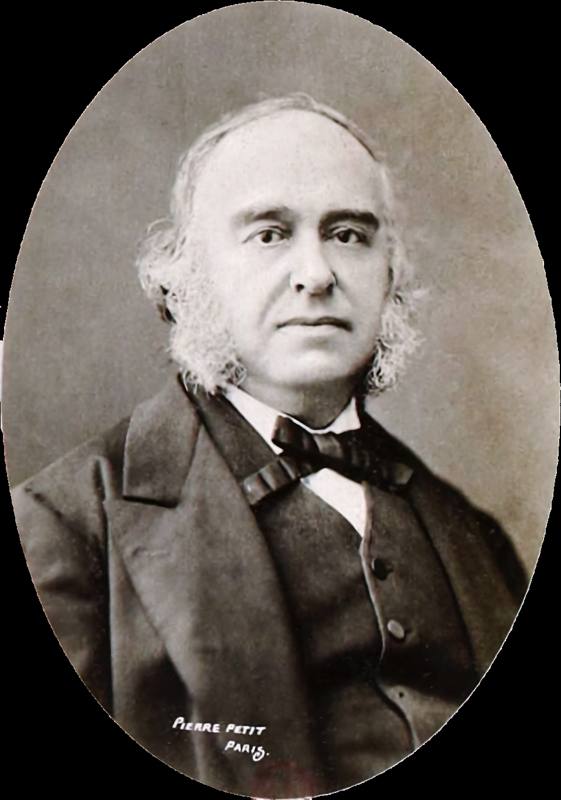 Same disease or problem1861Broca's localization of speechBoth tied a patient's symptoms in life to changes found in the brain after death, Broca for speech and Alzheimer for memory. Broca's story shows the patient who could say only one word.Read this moment