Neurology & Psychiatry
1861
Broca's localization of speech
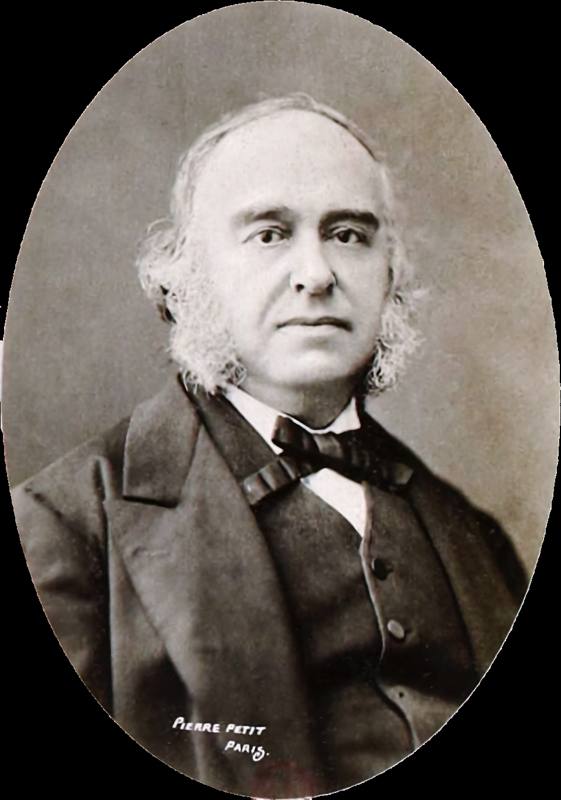
In 1861 Paul Broca examined the brain of Leborgne, a patient who for twenty-one years could say little but tan, and found a lesion in the left third frontal convolution. A second patient later that year had damage in the same place.
Key people
- Paul Broca
- Surgeon and anthropologist who localized articulate speech in 1861
- Leborgne
- Bicêtre patient known as Tan; the first case
- Lelong
- Second patient, 84, with a lesion in the same place
Source
Jean-Baptiste Bouillaud in 1825 and Richard Bright in 1831 had tied disorders of speech to disease of the frontal lobes. Nobody had shown precisely where in the brain the damage lay.
Paul Broca (1824 to 1880) was a Paris surgeon, anatomist and anthropologist who had founded the Anthropological Society of Paris in 1859. On his ward at the Bicêtre Hospital was Leborgne, a man paralyzed on one side who had lost the power of speech. For twenty-one years he had been able to say little except tan, tan, which became his nickname. Leborgne died on 17 April 1861, and on 18 April Broca presented the case and the uncut brain to the Anthropological Society. There was a softening in the left third frontal convolution and the insula, worst at the back of the third frontal gyrus.
This loss of speech, Broca argued, needed a name of its own, and he called it aphemia. Such patients, he wrote, heard and understood everything said to them; what they lacked was the faculty of articulating words. In November 1861 he presented a second patient, Lelong, 84, who had had a stroke a year earlier. The lesion occupied exactly the same seat, in the back part of the second and third frontal convolutions. It was probably the first time a complex function had been placed in a particular part of the cortex. Gustave Dax later contested the credit. He said his father, Marc Dax, had presented a memoir in Montpellier in 1836 arguing that the left side of the brain was special for speech; Gustave sent it to Paris in 1863, and it was published in 1865.
Broca kept both brains. Pierre Marie later re-examined Leborgne's brain and found that the damage reached beyond the third frontal convolution, and in 1906 he argued that the left third frontal convolution played no special role in language. Leborgne's brain was scanned by CT in 1980. In 2007 Dronkers and colleagues examined both preserved brains with high-resolution MRI and found lesions extending deep into medial regions, beyond the surface damage Broca described; the area he identified does not match exactly what is now called Broca's area.
Keep exploring
 Read next · same person
Prehistoric trepanation (c. 5000 BCE)
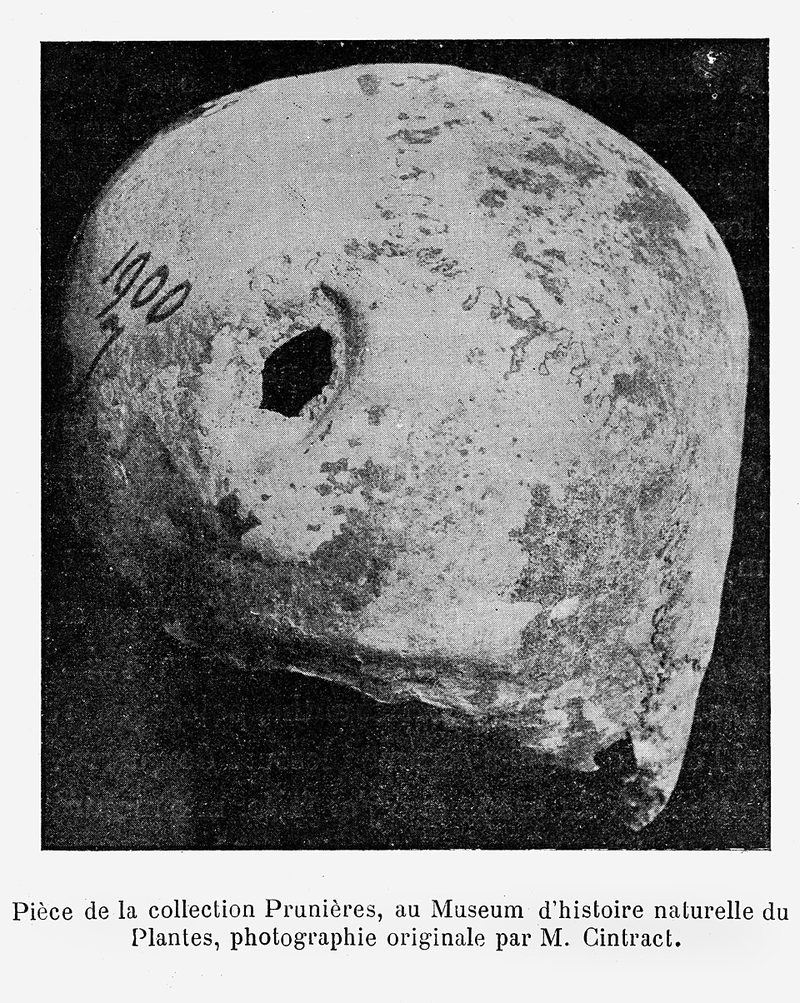
Broca was also among the first physicians to write about ancient skulls with surgical holes. The trepanation story shows that people in Neolithic Europe and ancient Peru survived openings cut into their skulls.
Read this moment
Read next · same person
Prehistoric trepanation (c. 5000 BCE)
Broca was also among the first physicians to write about ancient skulls with surgical holes. The trepanation story shows that people in Neolithic Europe and ancient Peru survived openings cut into their skulls.
Read this moment
 Today on The Clinical Times
Love to Dream recalls portable baby sound machine over fire and burn risk
Love to Dream has recalled its portable Sleep Machine because its lithium-ion battery can overheat while charging with an incompatible charger, creating a risk of fire and burns.
Read today’s top stories
Today on The Clinical Times
Love to Dream recalls portable baby sound machine over fire and burn risk
Love to Dream has recalled its portable Sleep Machine because its lithium-ion battery can overheat while charging with an incompatible charger, creating a risk of fire and burns.
Read today’s top stories
All 526 moments in the history of medicine. This one is in chapter 4, Germs, numbers and clean water
Connected moments
How this moment links to others in the history of medicine, and what you will find in each.
-
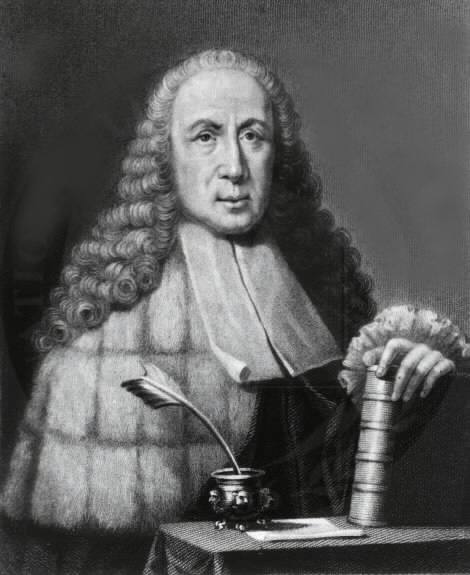 Same disease or problem1761Morgagni's De Sedibus et Causis MorborumBroca matched a loss of speech in life to a lesion found after death, the method Morgagni had built a century earlier. Morgagni's story shows 700 cases that tied symptoms to changes in particular organs.Read this moment
-
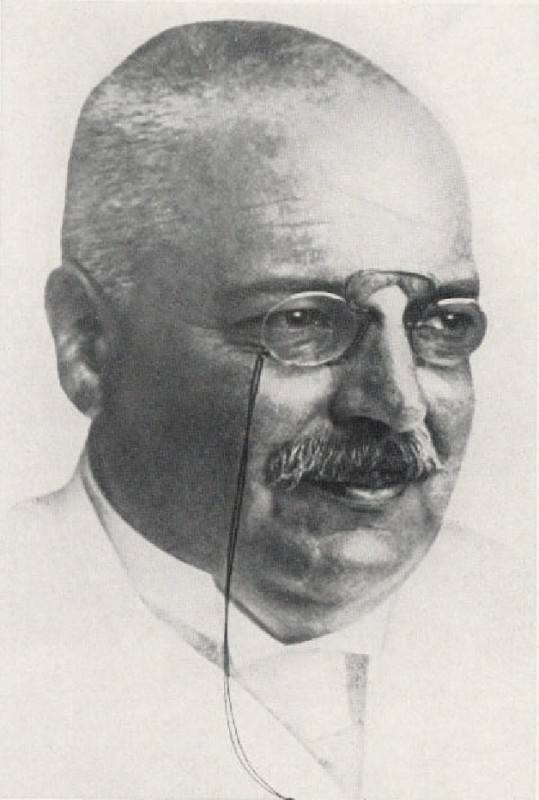 Same disease or problem1906Alois Alzheimer's case of Auguste D.Both tied a patient's symptoms in life to changes found in the brain after death, Broca for speech and Alzheimer for memory. Alzheimer's story shows the plaques and tangles in the brain of a woman who became confused at about 50.Read this moment