Foundational Discovery
1761
Morgagni's De Sedibus et Causis Morborum
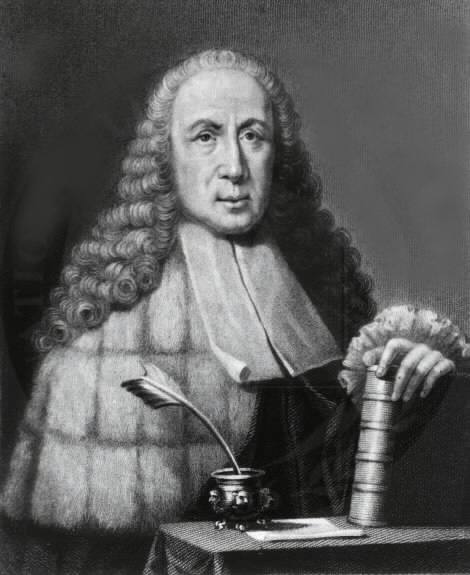
Morgagni published about 700 case histories, each matching what a patient had suffered in life with what dissection showed after death, the anatomical-clinical method that tied symptoms to changes in particular organs.
Key people
- Giovanni Battista Morgagni
- Padua professor of anatomy who wrote De sedibus
Source
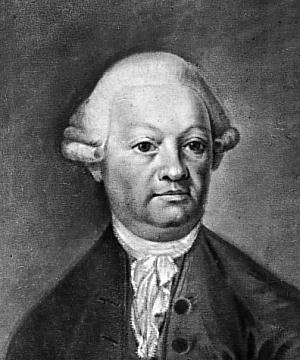
Giovanni Battista Morgagni was almost 80 when his great book appeared in Venice in 1761. Its Latin title, De sedibus et causis morborum per anatomen indagatis, promised the seats and causes of disease investigated by means of anatomy, and it delivered about 700 cases set out in seventy letters. In each case he set the patient's symptoms in life beside what the dissection had found after death.
Morgagni was born in Forlì in 1682 and published his first book on anatomy at 19. Padua called him in 1711 to teach theoretical medicine, and four years later he took the chair of anatomy, which he held until his death there in December 1771. De sedibus drew on that whole career. Alongside his own cases he worked through almost everything earlier writers had reported, comparing their accounts with what he had seen himself.
The University of Padua credits the book with the first descriptions of several conditions. Among them are a permanently slow pulse with epileptic fits, the disorder now called Morgagni-Adams-Stokes syndrome, as well as cirrhosis of the liver, frontal hyperostosis, aneurysms, gastric ulcer, lobar pneumonia and acute yellow atrophy of the liver.
His method mattered as much as his findings. He looked for the seat of each disease in the organs at autopsy and matched what he found to the symptoms the patient had shown. The University of Pittsburgh's Health Sciences Library credits De sedibus with ending the humoral theory handed down from Hippocrates and Galen, and the work earned Morgagni the title of father of anatomical pathology.
Keep exploring
 Read next · built on
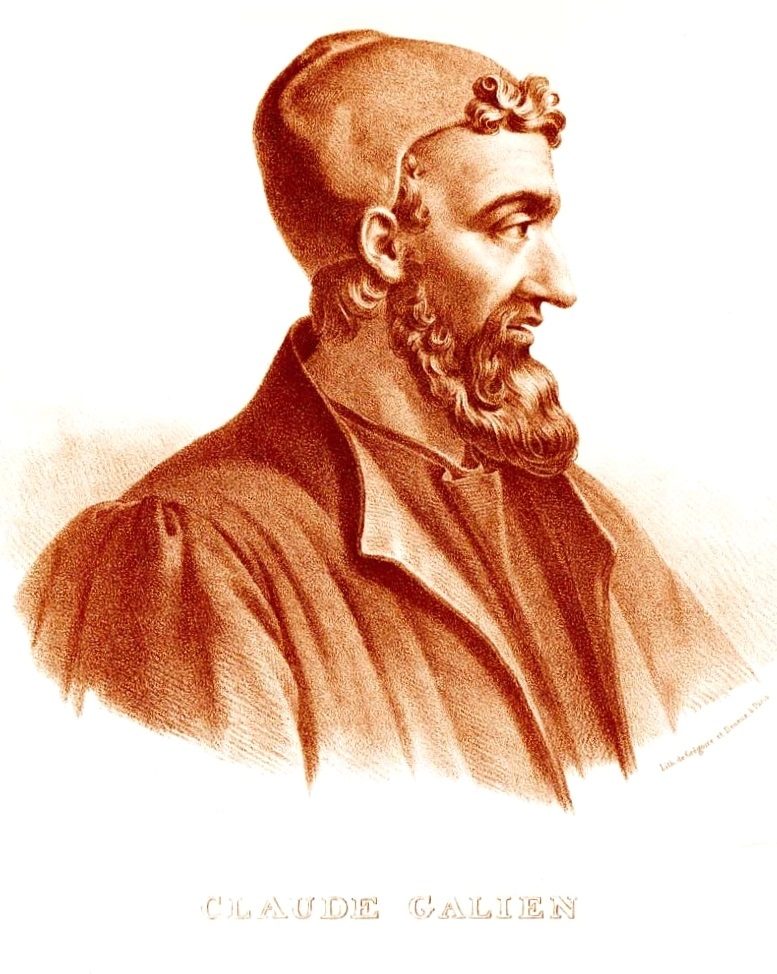
Galen's experimental anatomy and physiology (c. 170 CE)
Morgagni's method is credited with ending the humoral theory handed down from Hippocrates and Galen. Galen's story shows how that theory, joined to anatomy, held authority for fifteen centuries.
Read this moment
Read next · built on
Galen's experimental anatomy and physiology (c. 170 CE)
Morgagni's method is credited with ending the humoral theory handed down from Hippocrates and Galen. Galen's story shows how that theory, joined to anatomy, held authority for fifteen centuries.
Read this moment
 Today on The Clinical Times
Love to Dream recalls portable baby sound machine over fire and burn risk
Love to Dream has recalled its portable Sleep Machine because its lithium-ion battery can overheat while charging with an incompatible charger, creating a risk of fire and burns.
Read today’s top stories
Today on The Clinical Times
Love to Dream recalls portable baby sound machine over fire and burn risk
Love to Dream has recalled its portable Sleep Machine because its lithium-ion battery can overheat while charging with an incompatible charger, creating a risk of fire and burns.
Read today’s top stories
All 526 moments in the history of medicine. This one is in chapter 3, Anatomy and observation
Connected moments
How this moment links to others in the history of medicine, and what you will find in each.
-
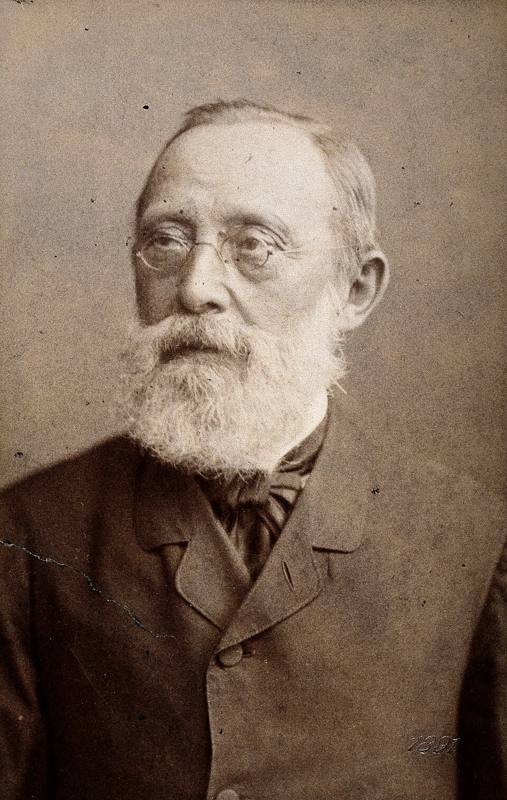 Same disease or problem1858Virchow's Cellular PathologyMorgagni placed the seat of disease in the organs, and Virchow placed it in the cells. His story shows the argument that every cell comes from another cell and that disease is a disorder of cells.Read this moment
-
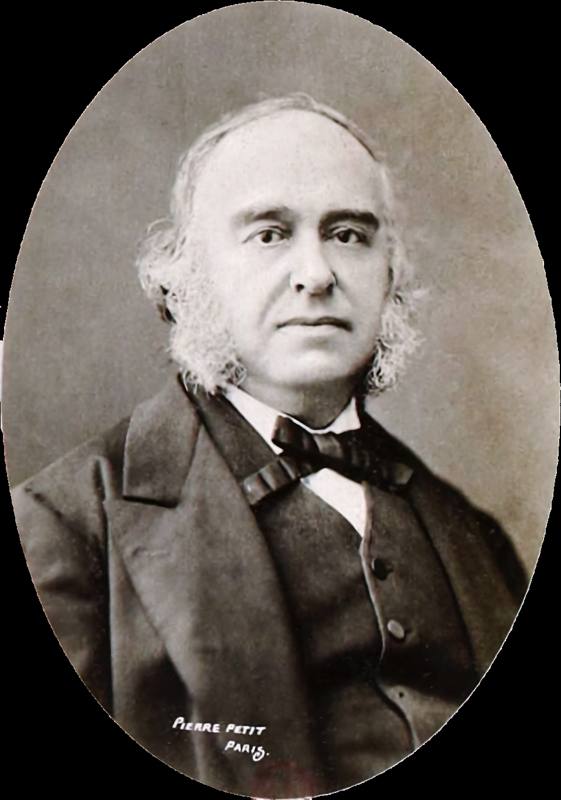 Same disease or problem1861Broca's localization of speechMorgagni matched symptoms in life to what autopsy showed, and Broca used the same method on the brain. His story shows a lost power of speech traced after death to damage in one part of the left frontal lobe.Read this moment
-
 Same disease or problem1761Auenbrugger's percussion of the chestBoth appeared in 1761 and both tied signs in the living to findings at autopsy, Morgagni by dissection and Auenbrugger by tapping the chest. Auenbrugger's story shows how he filled corpses with fluid to learn what disease sounded like.Read this moment