Foundational Discovery
1858
Virchow's Cellular Pathology
In twenty lectures given in Berlin in 1858 and published that year, Rudolf Virchow argued that every cell arises from another cell and that disease is a disorder of cells, setting cellular pathology against older theories that blamed the body's fluids.
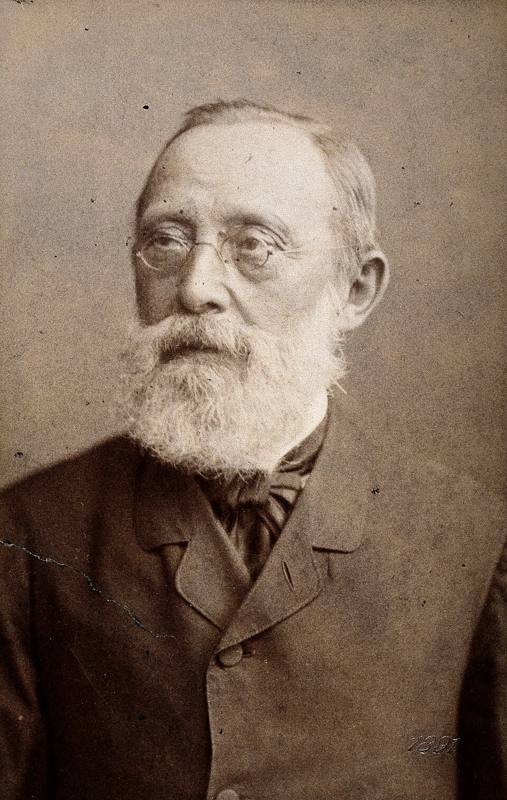
Key people
- Rudolf Virchow
- Berlin pathologist who set out cellular pathology in 1858 lectures
- Rokitansky
- Pathologist whose blastema theory of disease Virchow rejected
- Robert Remak
- Confirmed cell division in animal cells as early as 1844
Source
Pathologists in the 1840s still explained much disease through the body's fluids. Rokitansky, who had performed about 60,000 autopsies, held that when no anatomical cause of death could be found, a disorder of the blood produced a formless material, a blastema, from which abnormal cells grew. Rudolf Virchow, a student of Johannes Müller, rejected both the old humoral theory and Rokitansky's version during his most productive years, at Würzburg from 1849 to 1856.
Back in Berlin as professor of pathological anatomy and director of the Pathological Institute, he gave twenty lectures there from February to April 1858 and published them that year as Die Cellularpathologie. His central claim was that a new cell never builds itself out of non-cellular matter: where a cell arises, a cell must already have existed, just as an animal comes only from an animal and a plant from a plant. He put it in Latin: omnis cellula e cellula.
From that principle Virchow built an account of disease. He treated cells as the living units of the body, described the body as a social organization of cells, and set cellular pathology against the humoral and solidist theories. New growths, he argued, came from the division of existing cells, most often in connective tissue, and not from exudates or a free blastema.
Cell division itself was not his discovery. Robert Remak had confirmed division in animal cells as early as 1844, and Virchow published Remak's findings in 1855. According to Hektoen International, it was through the 1858 lectures that cell theory gained acceptance.
An English translation by Frank Chance, made from the second German edition, appeared in 1860.
Keep exploring
 Read next · built on
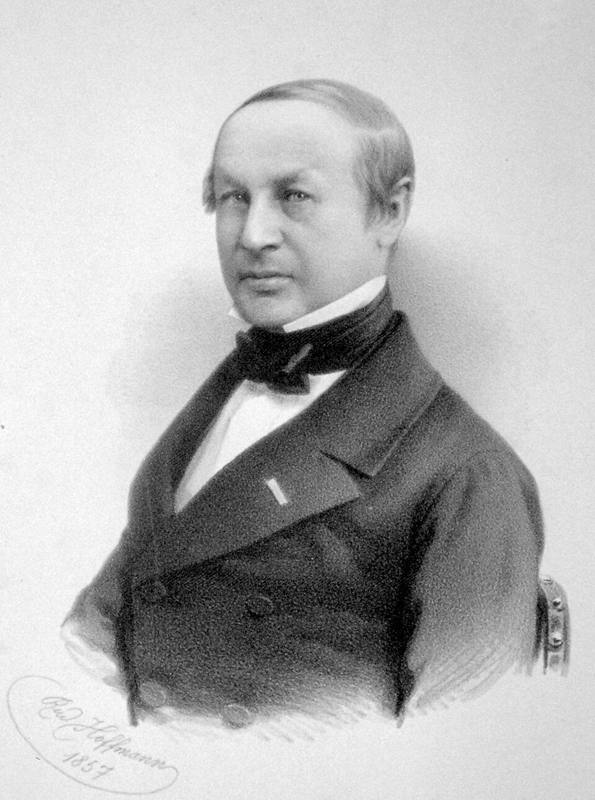
Schleiden and Schwann's cell theory (1839)
Virchow built on the cell theory and corrected it, holding that new cells come only from old ones by division. The Schleiden and Schwann story shows how the cell became the common unit of plants and animals.
Read this moment
Read next · built on
Schleiden and Schwann's cell theory (1839)
Virchow built on the cell theory and corrected it, holding that new cells come only from old ones by division. The Schleiden and Schwann story shows how the cell became the common unit of plants and animals.
Read this moment
 Today on The Clinical Times
Love to Dream recalls portable baby sound machine over fire and burn risk
Love to Dream has recalled its portable Sleep Machine because its lithium-ion battery can overheat while charging with an incompatible charger, creating a risk of fire and burns.
Read today’s top stories
Today on The Clinical Times
Love to Dream recalls portable baby sound machine over fire and burn risk
Love to Dream has recalled its portable Sleep Machine because its lithium-ion battery can overheat while charging with an incompatible charger, creating a risk of fire and burns.
Read today’s top stories
All 526 moments in the history of medicine. This one is in chapter 4, Germs, numbers and clean water
Connected moments
How this moment links to others in the history of medicine, and what you will find in each.
-
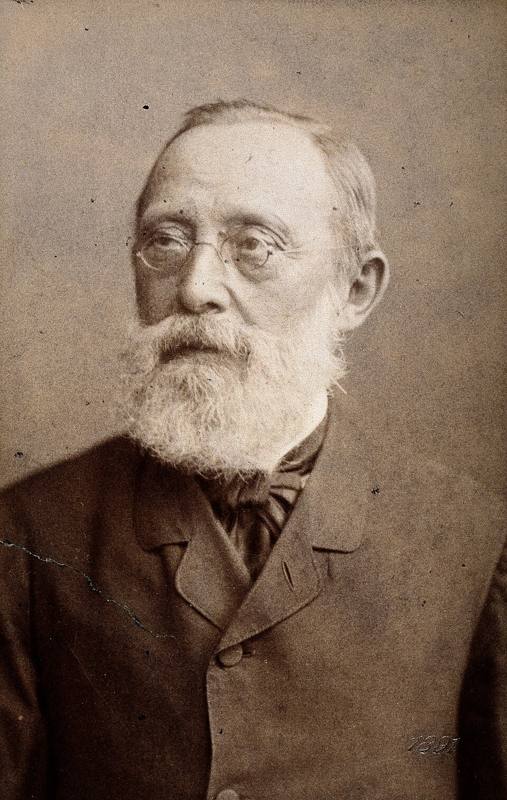 Same person1848Virchow's report on typhus in Upper SilesiaTen years before his cell lectures, Virchow blamed a typhus epidemic on poverty and called for democracy. That story shows him on the barricades of 1848 and popularizing the term social medicine.Read this moment
-
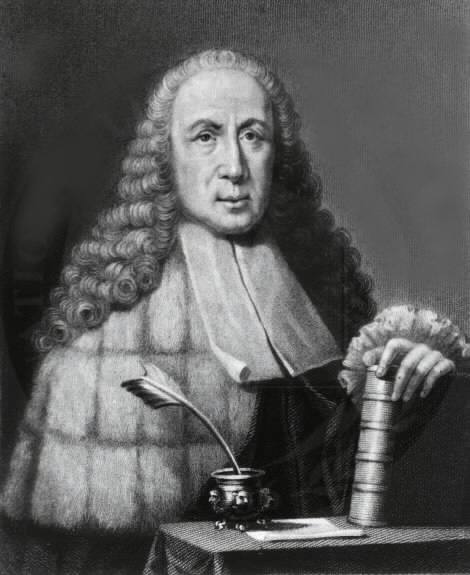 Same disease or problem1761Morgagni's De Sedibus et Causis MorborumMorgagni placed the seat of disease in the organs, and Virchow placed it in the cells. Morgagni's story shows 700 cases matching symptoms in life to findings at autopsy.Read this moment