Public Health
1848
Virchow's report on typhus in Upper Silesia
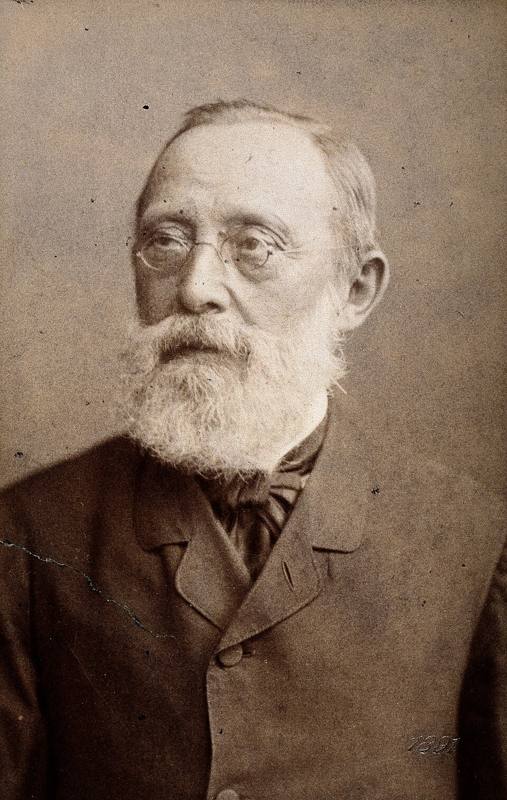
Sent by the Prussian government to investigate a typhus epidemic in Upper Silesia, Rudolf Virchow blamed poverty, hunger and neglect. Instead of more doctors or hospitals, he called for democracy, education and economic reform.
Key people
- Rudolf Virchow
- Pathologist sent by the Prussian government; wrote the report
Source
In 1847 and 1848 typhus swept through Upper Silesia, a desperately poor, mostly Polish-speaking part of Prussia, and it was especially common among the weavers. On 18 February 1848 the Prussian minister of culture ordered Rudolf Virchow (1821 to 1902) to the stricken districts, and two days later he set out with a colleague named Barez. By 10 March he was back in Berlin.
The numbers he gathered were stark. In the district of Pless, deaths in 1847 exceeded those of an ordinary year, about 2,000, by roughly 5,000. In the district of Rybnik alone some 20,000 people, a fifth of the population, needed relief. His report, printed in 1848 in the Archiv für pathologische Anatomie und Physiologie and issued separately at nearly 190 pages, placed the causes in the way people lived: bad housing, poor diet and poor hygiene. Virchow blamed a land system run by hereditary, often absent landlords, the Junkers, and schools in which Polish-speaking children faced teachers who spoke only German. The government, he concluded, had done nothing for Upper Silesia.
He did not ask for more doctors or hospitals. His remedies were political and economic: full democracy, separation of church and state, taxes shifted from workers to wealthy landowners, Polish as an official language, agricultural improvement and cooperatives, universal education, full employment and higher wages, reopened orphanages, and local control of relief funds.
The Prussian government received the report badly. Eight days after his return to Berlin on 10 March, revolution broke out, and Virchow was on the barricades. In July 1848 he began Die Medizinische Reform, a weekly that argued for social medicine, a term he did much to popularize.
Keep exploring
 Read next · same disease or problem
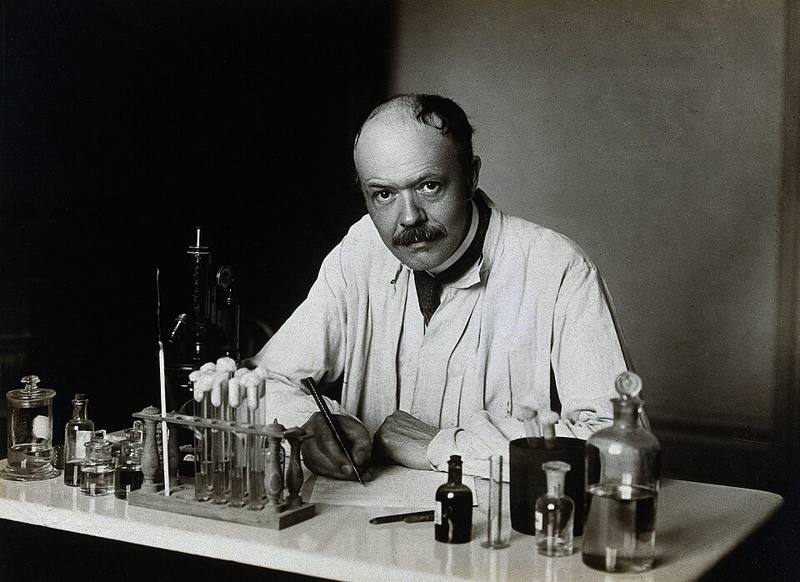
Nicolle's discovery of louse-borne typhus (1909)
Virchow blamed a typhus epidemic on poverty and neglect, and Nicolle later showed that the body louse carries typhus. His story shows bathing, delousing and clean clothing stopping the disease in a Tunis hospital.
Read this moment
Read next · same disease or problem
Nicolle's discovery of louse-borne typhus (1909)
Virchow blamed a typhus epidemic on poverty and neglect, and Nicolle later showed that the body louse carries typhus. His story shows bathing, delousing and clean clothing stopping the disease in a Tunis hospital.
Read this moment
 Today on The Clinical Times
Love to Dream recalls portable baby sound machine over fire and burn risk
Love to Dream has recalled its portable Sleep Machine because its lithium-ion battery can overheat while charging with an incompatible charger, creating a risk of fire and burns.
Read today’s top stories
Today on The Clinical Times
Love to Dream recalls portable baby sound machine over fire and burn risk
Love to Dream has recalled its portable Sleep Machine because its lithium-ion battery can overheat while charging with an incompatible charger, creating a risk of fire and burns.
Read today’s top stories
All 526 moments in the history of medicine. This one is in chapter 4, Germs, numbers and clean water
Connected moments
How this moment links to others in the history of medicine, and what you will find in each.
-
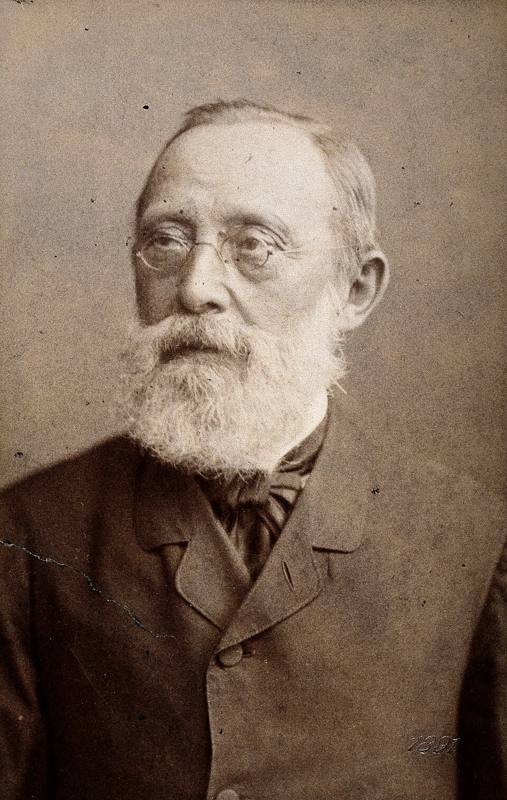 Same person1858Virchow's Cellular PathologyTen years after Upper Silesia, Virchow gave the Berlin lectures that made disease a disorder of cells. That story shows his principle that every cell comes from another cell.Read this moment
-
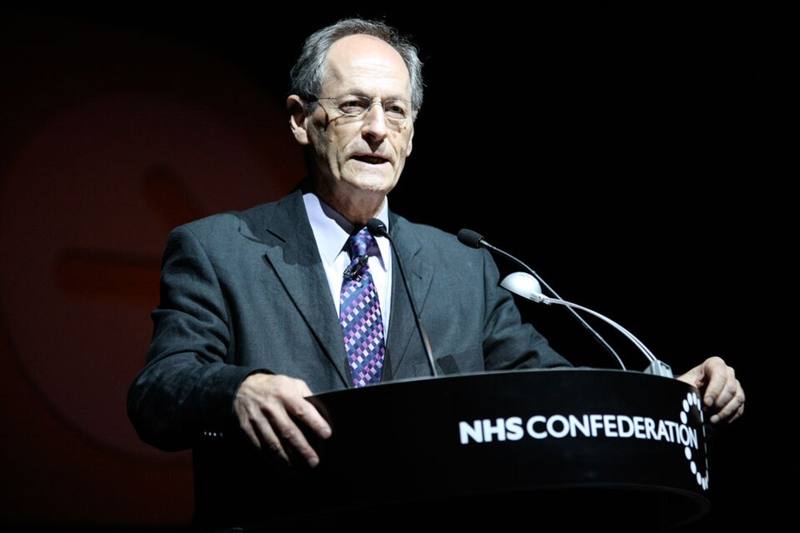 Same disease or problem1978The Whitehall study of civil servantsVirchow tied disease to how people lived and what they earned, and Whitehall measured that gradient in London's civil service. Its story shows men in the lowest grade dying of heart disease at 3.6 times the rate of top administrators.Read this moment
-
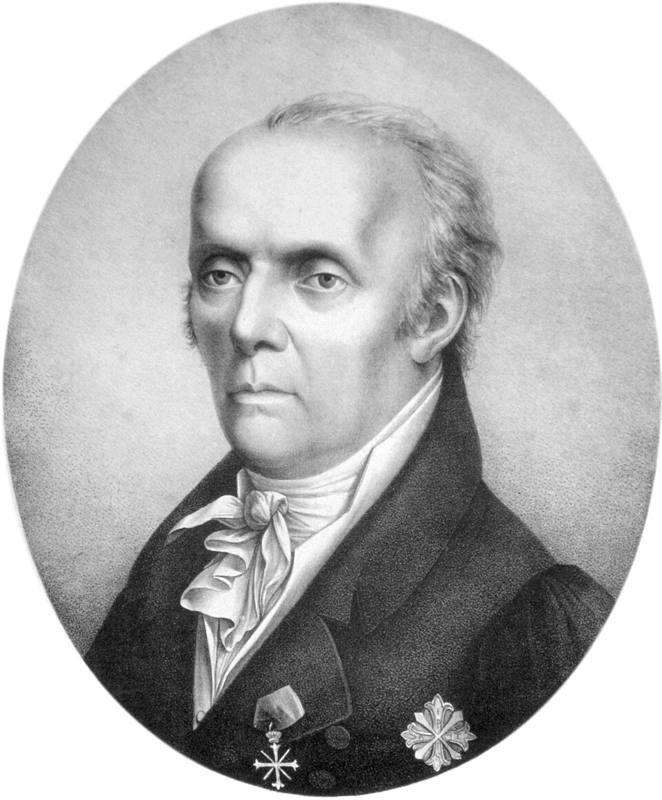 Same disease or problem1779Frank's System of Medical PoliceFrank called the misery of the people the mother of diseases, and Virchow found exactly that in Upper Silesia. Frank's story shows a six volume plan of what a government owes to the health of its people.Read this moment