Epidemiology
1978
The Whitehall study of civil servants
Among 17,530 London civil servants, men in the lowest employment grade had 3.6 times the coronary death rate of top administrators over seven and a half years, and smoking, blood pressure, cholesterol and other risk factors explained only part of the gap.

Key people
- Michael Marmot
- First author of the 1978 employment grade report
- Geoffrey Rose
- Coauthor who used the early results to compare prevention strategies
Source
Between September 1967 and January 1970, 19,019 men aged 40 to 69 who worked for the civil service in London filled in a questionnaire and had a medical examination. Staff recorded height, weight and blood pressure, ran electrocardiograms and lung function tests, and drew blood for cholesterol and glucose. Each man also gave his civil service employment grade. The study was set up, at the peak of Britain's epidemic of vascular disease, to measure how well risk factors predicted coronary and other vascular deaths.
In December 1978 Michael Marmot, Geoffrey Rose and two colleagues reported on 17,530 of the men after seven and a half years of follow-up. The lower a man's grade, the higher his risk of dying of coronary heart disease. Messengers, in the lowest grade, had 3.6 times the coronary death rate of administrators in the highest.
Men in the lower grades were shorter and heavier for their height, had higher blood pressure and plasma glucose, smoked more and reported less physical activity in their leisure time. Yet when the authors allowed for all of these, and for plasma cholesterol, the link between grade and coronary death stayed strong. They concluded that the higher coronary mortality of working-class men, which also appeared in national statistics, could be only partly explained by the established risk factors.
Rose used the initial Whitehall results to compare high-risk and population strategies for preventing cardiovascular disease. Follow-up went on for 38 years. By then 13,501 of the 18,863 men examined at entry had died, and 4,811 were examined again in 1997. Men in the top 5 percent of a risk score that combined employment grade with smoking, diabetes, blood pressure, cholesterol and body mass index could expect to live 20.2 more years from age 50, against 35.4 years for men in the bottom 5 percent.
Keep exploring
 Read next · same disease or problem
Factors of Risk in the Development of Coronary Heart Disease (Framingham Heart Study) (1961)
Framingham brought the idea of risk factors into medicine, and Whitehall found those factors explained only part of the class gap in coronary deaths. The Framingham entry shows how the idea of risk factors began.
Read this moment
Read next · same disease or problem
Factors of Risk in the Development of Coronary Heart Disease (Framingham Heart Study) (1961)
Framingham brought the idea of risk factors into medicine, and Whitehall found those factors explained only part of the class gap in coronary deaths. The Framingham entry shows how the idea of risk factors began.
Read this moment
 Today on The Clinical Times
Love to Dream recalls portable baby sound machine over fire and burn risk
Love to Dream has recalled its portable Sleep Machine because its lithium-ion battery can overheat while charging with an incompatible charger, creating a risk of fire and burns.
Read today’s top stories
Today on The Clinical Times
Love to Dream recalls portable baby sound machine over fire and burn risk
Love to Dream has recalled its portable Sleep Machine because its lithium-ion battery can overheat while charging with an incompatible charger, creating a risk of fire and burns.
Read today’s top stories
All 526 moments in the history of medicine. This one is in chapter 6, Trials, scanners and rights
Connected moments
How this moment links to others in the history of medicine, and what you will find in each.
-
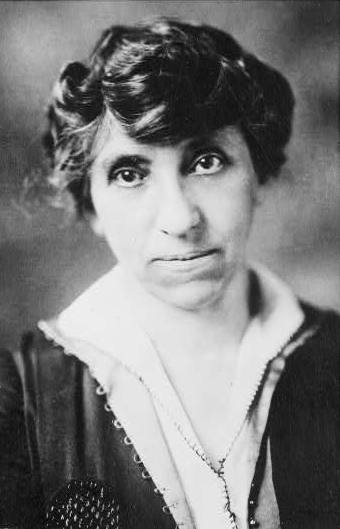 Same disease or problem1912The US Children's BureauBoth found death rates climbing as income or rank fell, among infants in 1912 and among civil servants in 1978. The Children's Bureau entry shows infant deaths rising sharply as fathers' earnings fell.Read this moment
-
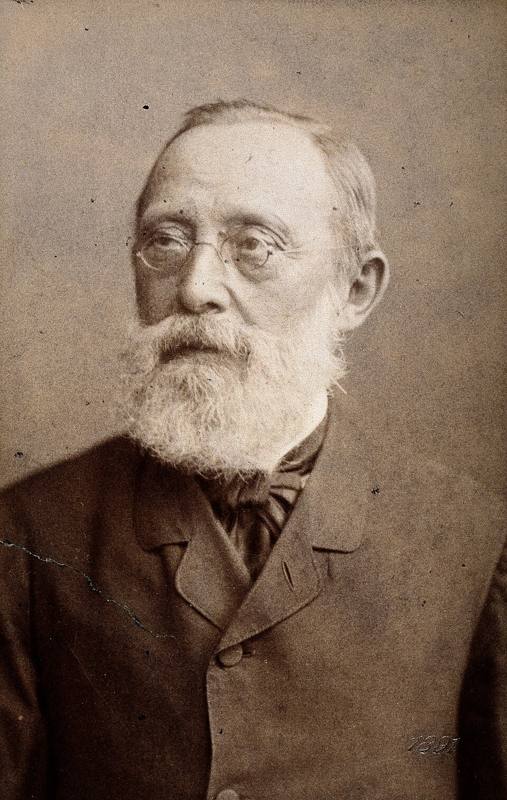 Same disease or problem1848Virchow's report on typhus in Upper SilesiaVirchow blamed a typhus epidemic on poverty and neglect, and Whitehall measured how lower rank raised the risk of death. Virchow's entry shows him calling for democracy and economic reform instead of more doctors.Read this moment