Research Methods & Ethics
1979
The Belmont Report
A federal commission named three principles for research on people (respect for persons, beneficence and justice) and paired them with informed consent, weighing of risks and benefits, and fair selection of subjects. The 2017 revision of the Common Rule wrote them into its text.
Key people
- Kenneth John Ryan
- Chairman of the commission; chief of staff, Boston Hospital for Women
- Stephen Toulmin
- Philosopher and special consultant who wrote the first draft
- Tom L. Beauchamp
- Commission staff philosopher who revised the draft
Source
Over four days in February 1976, members of a federal commission met at the Smithsonian Institution's Belmont Conference Center. The National Research Act, signed on 12 July 1974, had created the National Commission for the Protection of Human Subjects of Biomedical and Behavioral Research and told it to identify the basic ethical principles for research on people, to mark the line between research and accepted medical practice, and to address risk and benefit, the choice of subjects, and informed consent. Its 11 members were chaired by Kenneth John Ryan, chief of staff at the Boston Hospital for Women.
Stephen Toulmin, a consulting philosopher, wrote the first draft after the Belmont meeting. Tom Beauchamp, a staff philosopher, revised parts of it, and the commission approved the wording in June 1978. The commission submitted the report to the President in September 1978. The Department of Health, Education, and Welfare printed it in the Federal Register on 18 April 1979 for public comment. Unlike most of the commission's reports, it made no specific recommendations for administrative action; the commission asked that it be adopted in its entirety as department policy.
The text defined research as activity designed to test a hypothesis and contribute to generalizable knowledge, and said anything containing an element of research should be reviewed. Respect for persons meant treating individuals as autonomous agents and protecting those with diminished autonomy. Beneficence came down to two rules: do not harm, and maximize possible benefits while minimizing possible harms. Justice concerned who receives the benefits of research and who bears its burdens. As examples of injustice the report named poor ward patients of the 19th and early 20th centuries, prisoners in Nazi concentration camps and the rural Black men of the Tuskegee syphilis study. Each principle had an application: informed consent (information, comprehension and voluntariness), assessment of risks and benefits, and fair selection of subjects.
The report was not a regulation. The Department of Health and Human Services revised its human-subjects rules in January 1981, and in June 1991 federal departments and agencies adopted a shared version, the Common Rule, which requires institutional review board approval and informed consent for research they conduct or support. Nagai and colleagues argue that the report did not change the basic sections of the 1981 regulations. The 2017 revision of the Common Rule describes the report's three principles as underlying the rule and requires agency decisions on what the rule covers, and any waivers, to be consistent with them.
Keep exploring
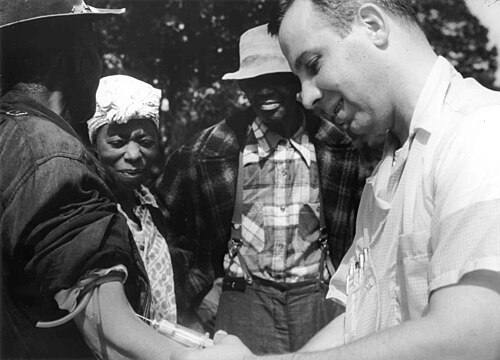 Read next · built on
Tuskegee Syphilis Study Exposed (1972)
The Tuskegee hearings led to the law that created the commission, and the report named the Tuskegee men as an example of injustice. That entry shows how treatment was withheld from them for 40 years.
Read this moment
Read next · built on
Tuskegee Syphilis Study Exposed (1972)
The Tuskegee hearings led to the law that created the commission, and the report named the Tuskegee men as an example of injustice. That entry shows how treatment was withheld from them for 40 years.
Read this moment
 Today on The Clinical Times
Love to Dream recalls portable baby sound machine over fire and burn risk
Love to Dream has recalled its portable Sleep Machine because its lithium-ion battery can overheat while charging with an incompatible charger, creating a risk of fire and burns.
Read today’s top stories
Today on The Clinical Times
Love to Dream recalls portable baby sound machine over fire and burn risk
Love to Dream has recalled its portable Sleep Machine because its lithium-ion battery can overheat while charging with an incompatible charger, creating a risk of fire and burns.
Read today’s top stories
All 526 moments in the history of medicine. This one is in chapter 6, Trials, scanners and rights
Connected moments
How this moment links to others in the history of medicine, and what you will find in each.
-
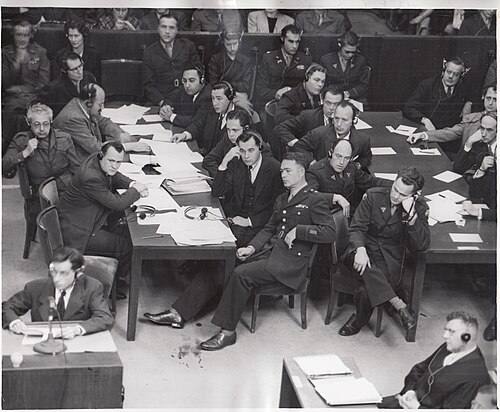 Built on1947The Nuremberg CodeBelmont named prisoners in Nazi concentration camps among its examples of injustice in research. The Nuremberg Code shows the ten points judges wrote into the verdict against Nazi doctors in 1947.Read this moment
- Built on1966Beecher's 'Ethics and Clinical Research'Beecher's exposé and the Tuskegee reports together prompted the commission that wrote Belmont. Beecher's entry shows 22 published studies by respected researchers that put patients at risk.Read this moment
-
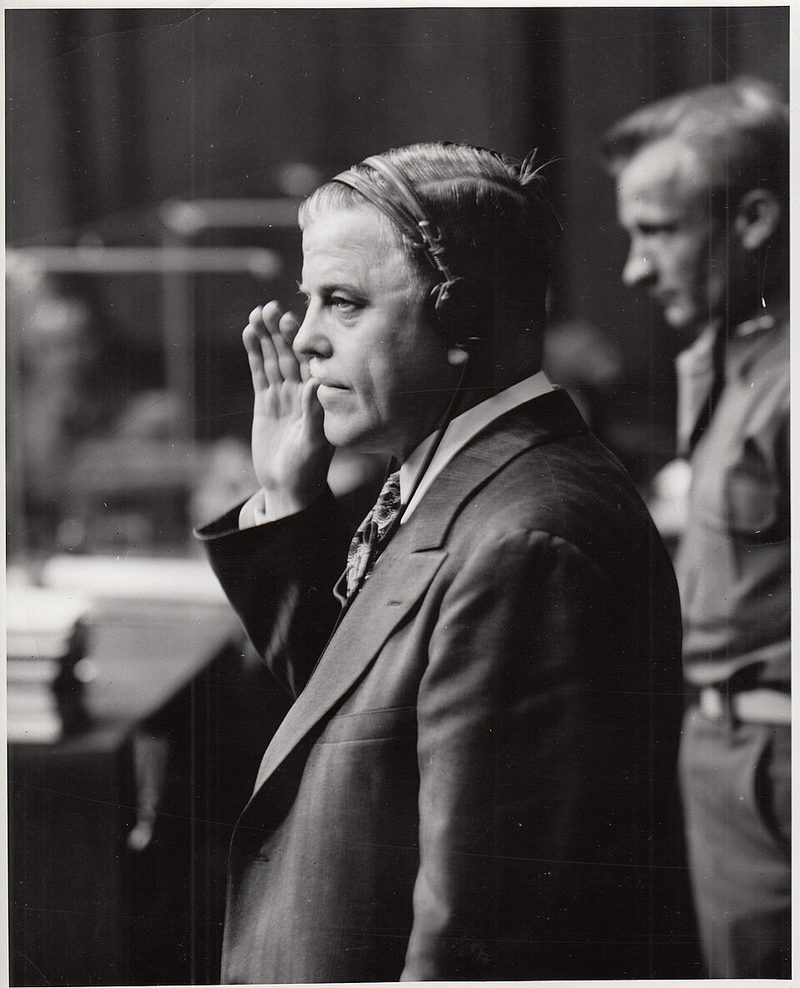 Same disease or problem1964Declaration of HelsinkiBoth set principles for research on people, Helsinki written by physicians and Belmont by a federal commission. The Helsinki entry shows how ethics committee review entered research in its 1975 revision.Read this moment