Public Health
1848
Public Health Act of 1848
The act created a General Board of Health and let towns set up local boards with powers over sewers, drains, nuisances and a medical officer of health. A board could follow a ratepayers' petition or be imposed where deaths exceeded 23 per 1,000.
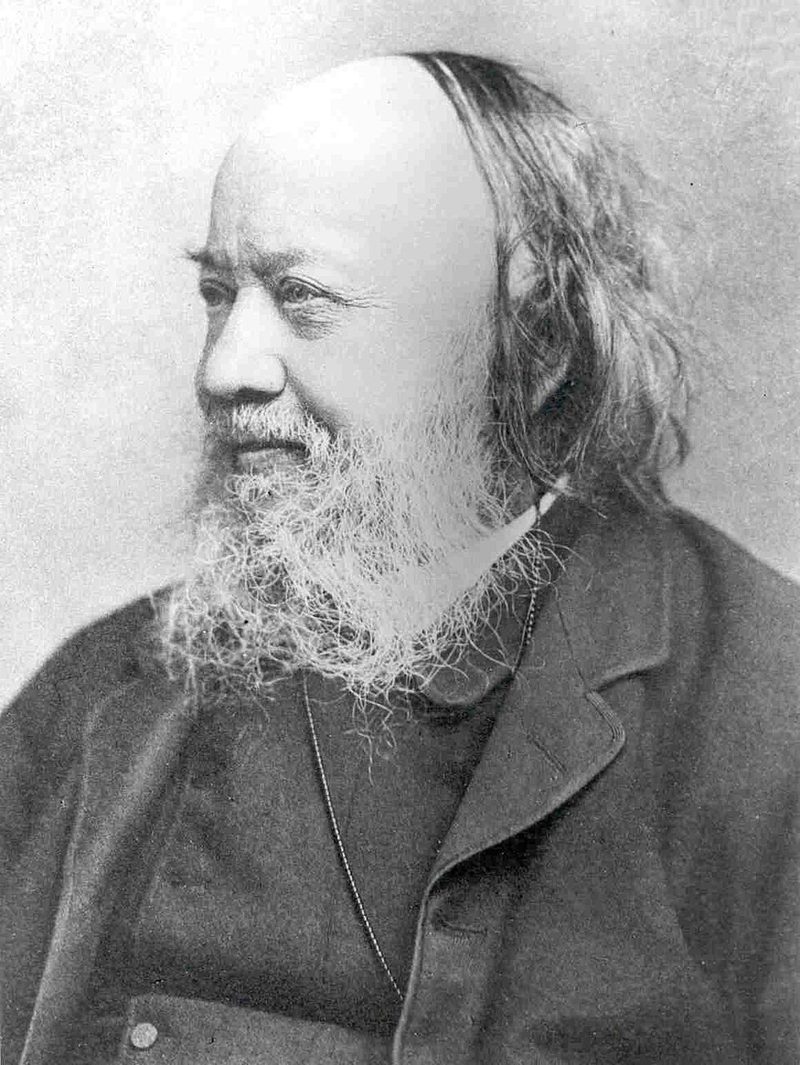
Key people
- Edwin Chadwick
- Author of the 1842 sanitary report that preceded the act
Source
Public Health Act 1848 (11 & 12 Vict. c. 63). London. (opens in a new tab)
Until 1848 a British town that wanted better streets, sewers or water had to obtain its own private Act of Parliament. From 1845 Parliament passed standard model clauses for such Acts, but each town still had to apply for its own. Edwin Chadwick's sanitary report of 1842 and the Royal Commission on the Health of Towns, appointed in 1843 to examine 50 English towns, made the case for one.
The Public Health Act of 1848 set up a General Board of Health for five years. A town could come under the act when at least one tenth of its ratepayers petitioned. Where deaths had averaged more than 23 per 1,000 people a year, the Board could send a superintending inspector to hold a public inquiry and then create a local board itself. The City of London and the districts under the metropolitan commissions of sewers were left out.
A local board of health took over the sewers and drains and had to drain, cleanse, cover or fill in foul ponds, open ditches and sewers. It could appoint an officer of health, with the General Board's approval, deal with nuisances, register slaughterhouses and, on the certificate of the officer of health or two medical practitioners, order a house cleansed to prevent disease.
In 1854 the General Board was reconstituted, and a new Public Health Act abolished it in 1858, passing its work to the Local Government Act Office and the Medical Department of the Privy Council. Only with the Sanitary Acts of 1866 to 1870 were local authorities made responsible for providing sewers, water and street cleaning and required to appoint sanitary inspectors.
Keep exploring
 Read next · same disease or problem
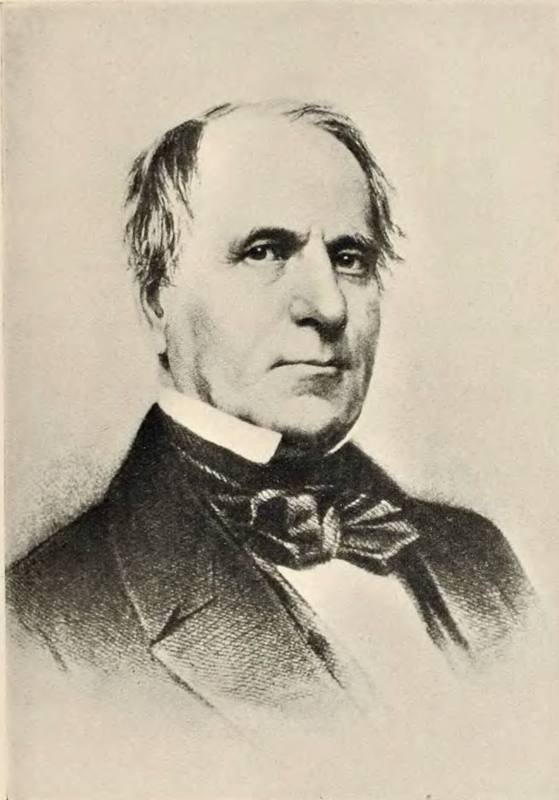
Shattuck's sanitary report for Massachusetts (1850)
Britain created boards of health in 1848, and two years later Shattuck asked Massachusetts for state and local boards of its own. His report shows 50 proposals, though a state board came only in 1869.
Read this moment
Read next · same disease or problem
Shattuck's sanitary report for Massachusetts (1850)
Britain created boards of health in 1848, and two years later Shattuck asked Massachusetts for state and local boards of its own. His report shows 50 proposals, though a state board came only in 1869.
Read this moment
 Today on The Clinical Times
Love to Dream recalls portable baby sound machine over fire and burn risk
Love to Dream has recalled its portable Sleep Machine because its lithium-ion battery can overheat while charging with an incompatible charger, creating a risk of fire and burns.
Read today’s top stories
Today on The Clinical Times
Love to Dream recalls portable baby sound machine over fire and burn risk
Love to Dream has recalled its portable Sleep Machine because its lithium-ion battery can overheat while charging with an incompatible charger, creating a risk of fire and burns.
Read today’s top stories
All 526 moments in the history of medicine. This one is in chapter 4, Germs, numbers and clean water
Connected moments
How this moment links to others in the history of medicine, and what you will find in each.
-
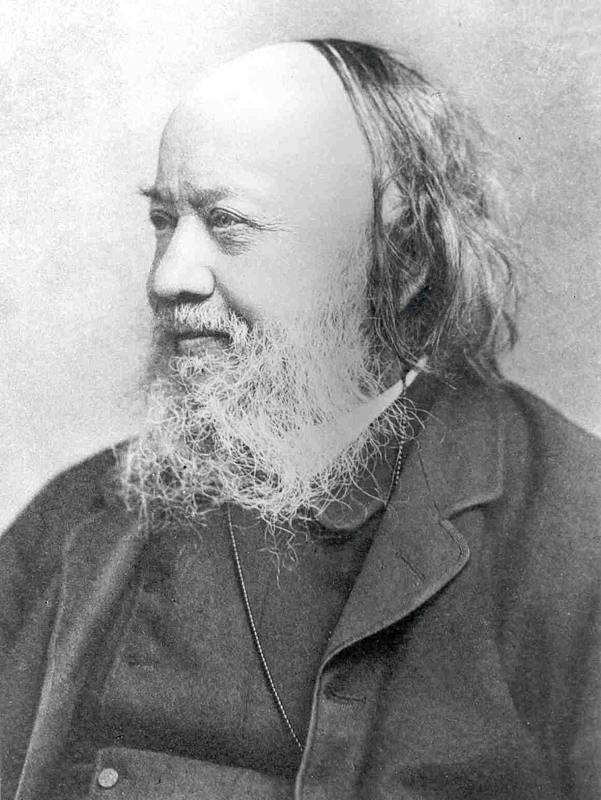 Built on1842Chadwick's sanitary reportChadwick's report and the commission it prompted made the case for the act. His story shows the statistics and descriptions that tied the early deaths of Britain's working poor to their sewers, refuse and water.Read this moment
-
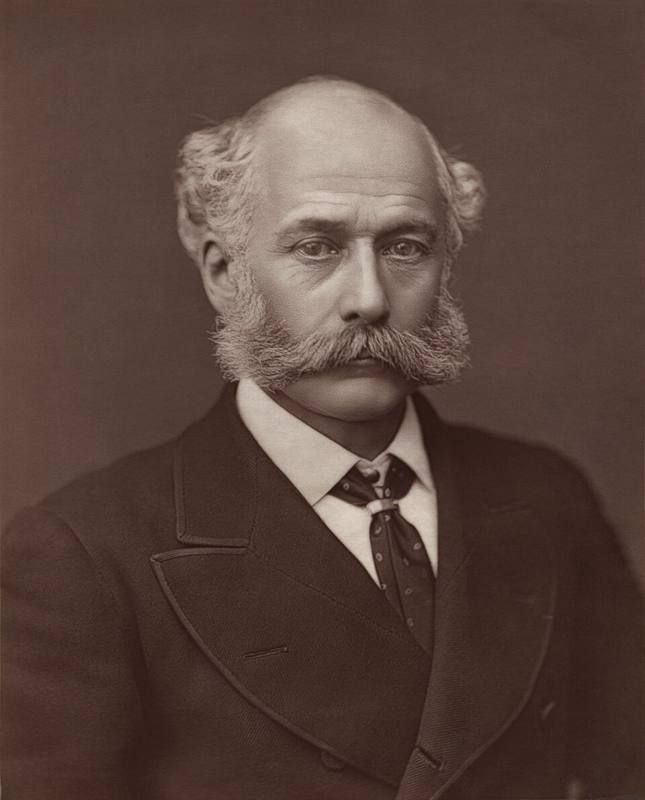 Same disease or problem1858Bazalgette's London sewersThe act left out the City of London, whose sewers were fixed only after the Great Stink of 1858. Bazalgette's story shows the intercepting sewers that carried London's waste east of the city.Read this moment