Public Health
1850
Shattuck's sanitary report for Massachusetts
A state commission led by the statistician Lemuel Shattuck proposed 50 public health measures for Massachusetts, among them state and local boards of health, full registration of births and deaths, and a draft health law. A State Board of Health came only in 1869.
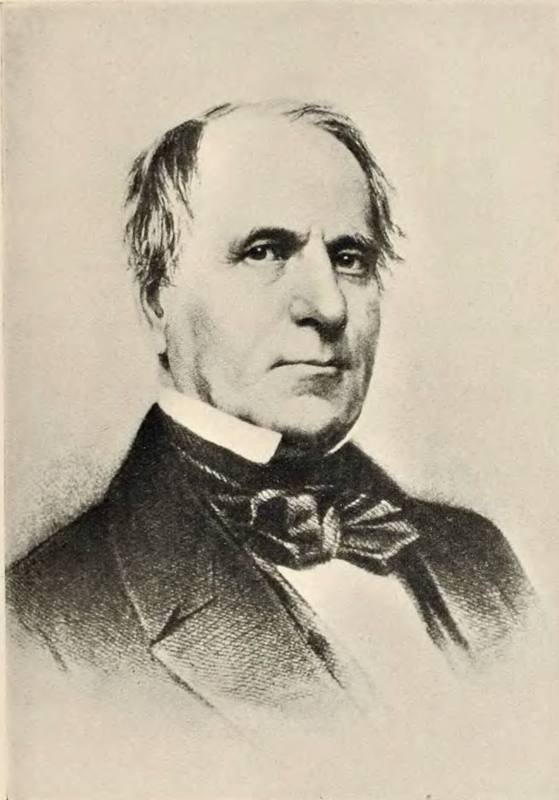
Key people
- Lemuel Shattuck
- Boston statistician and legislator; chief author of the report
- Nathaniel P. Banks Jr.
- Commissioner from Waltham who signed the report
- Jehiel Abbott
- Commissioner from Westfield who signed the report
- Henry Ingersoll Bowditch
- Chairman of the Massachusetts State Board of Health, 1869 to 1879
Source
The Massachusetts legislature passed its resolve in May 1849. It allowed the governor to appoint three commissioners to plan a sanitary survey of the state, with $50 for books and a ceiling of $500 on the whole cost. On 3 July Governor George N. Briggs named Lemuel Shattuck of Boston, Nathaniel P. Banks Jr. of Waltham and Jehiel Abbott of Westfield. Shattuck, a former teacher, bookseller and publisher, had come to statistics through genealogy. His efforts lay behind the state's registration of births, marriages and deaths, set up in 1842, and in 1845 he conducted a sanitary survey of Boston. As a legislator he had secured the 1849 resolve himself.
The report was presented on 25 April 1850. Its opening sections traced sanitary laws from Greece and Rome through France, Germany and Britain, then turned to Massachusetts, using the state's own registers. In the four years from 1845 to 1848, for example, the report counted 1,409 deaths from consumption among women aged 20 to 30 in the state and 708 among men of the same age.
The core of the report was 50 recommendations, numbered I to L. The first called for the state's health laws to be rewritten. Others asked for a general board of health of two physicians, a lawyer, a chemist, a civil engineer and two others; a local board in every city and town; a state census every ten years from 1855; complete registration of births, marriages and deaths with a uniform naming of causes of death; periodic vaccination in every town; study of consumption; house-to-house visits against epidemics; control of the smoke nuisance and of adulterated food; public baths and wash-houses; and schools to train women as nurses. The last few asked clergymen to preach on health once a year and families to keep records of their members' health. A draft Act for the Promotion of Public and Personal Health was appended.
The House of Representatives laid the report on the table and ordered 2,000 copies printed. No general board of health followed. Massachusetts created its State Board of Health in 1869, when the governor appointed Henry Ingersoll Bowditch and six others; Bowditch chaired it without pay until 1879. Harvard University Press reprinted the report in 1948, and in its foreword C.-E. A. Winslow called it perhaps the most significant single document in the history of public health.
Keep exploring
 Read next · same disease or problem
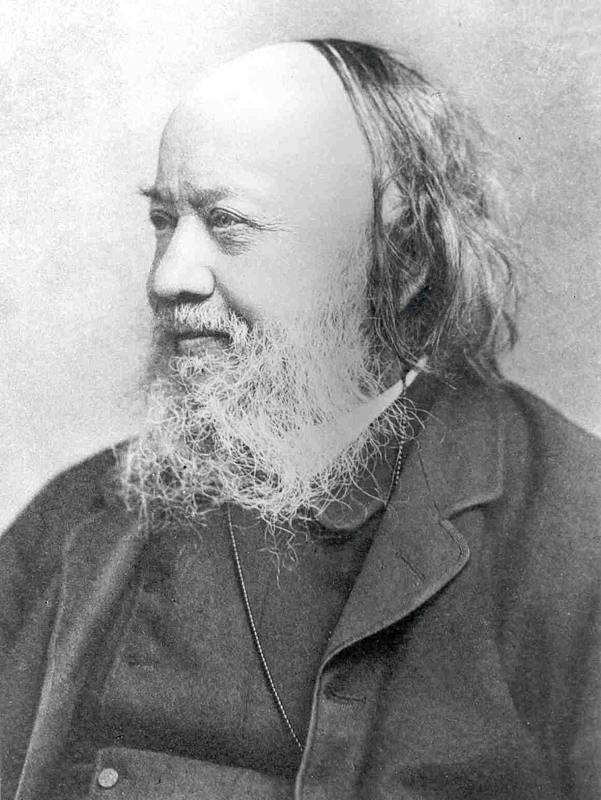
Chadwick's sanitary report (1842)
Shattuck surveyed the sanitary state of Massachusetts, as Chadwick had done for Britain eight years before. Chadwick's report shows how statistics tied the early deaths of the poor to sewers, refuse and water.
Read this moment
Read next · same disease or problem
Chadwick's sanitary report (1842)
Shattuck surveyed the sanitary state of Massachusetts, as Chadwick had done for Britain eight years before. Chadwick's report shows how statistics tied the early deaths of the poor to sewers, refuse and water.
Read this moment
 Today on The Clinical Times
Love to Dream recalls portable baby sound machine over fire and burn risk
Love to Dream has recalled its portable Sleep Machine because its lithium-ion battery can overheat while charging with an incompatible charger, creating a risk of fire and burns.
Read today’s top stories
Today on The Clinical Times
Love to Dream recalls portable baby sound machine over fire and burn risk
Love to Dream has recalled its portable Sleep Machine because its lithium-ion battery can overheat while charging with an incompatible charger, creating a risk of fire and burns.
Read today’s top stories
All 526 moments in the history of medicine. This one is in chapter 4, Germs, numbers and clean water
Connected moments
How this moment links to others in the history of medicine, and what you will find in each.
-
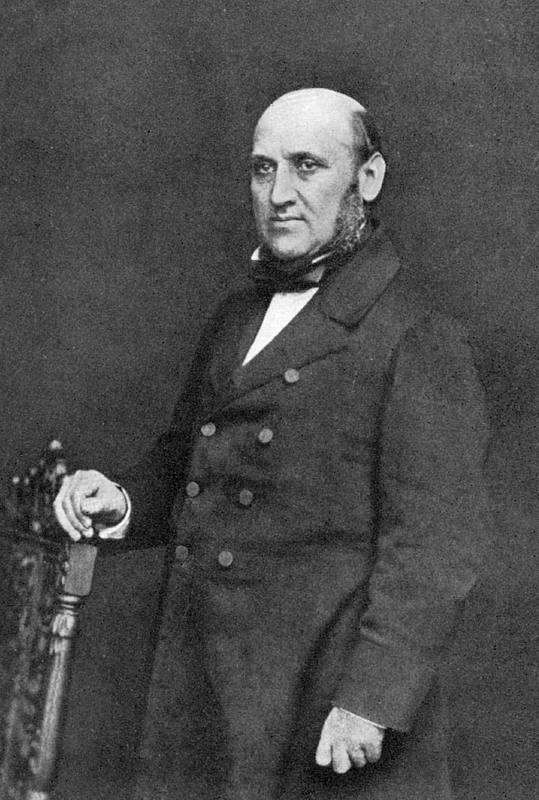 Same disease or problem1839William Farr and national vital statisticsShattuck asked for full registration of deaths with a uniform naming of causes, the problem Farr was tackling in England. Farr's story shows how his classification became the starting point for an international list.Read this moment
-
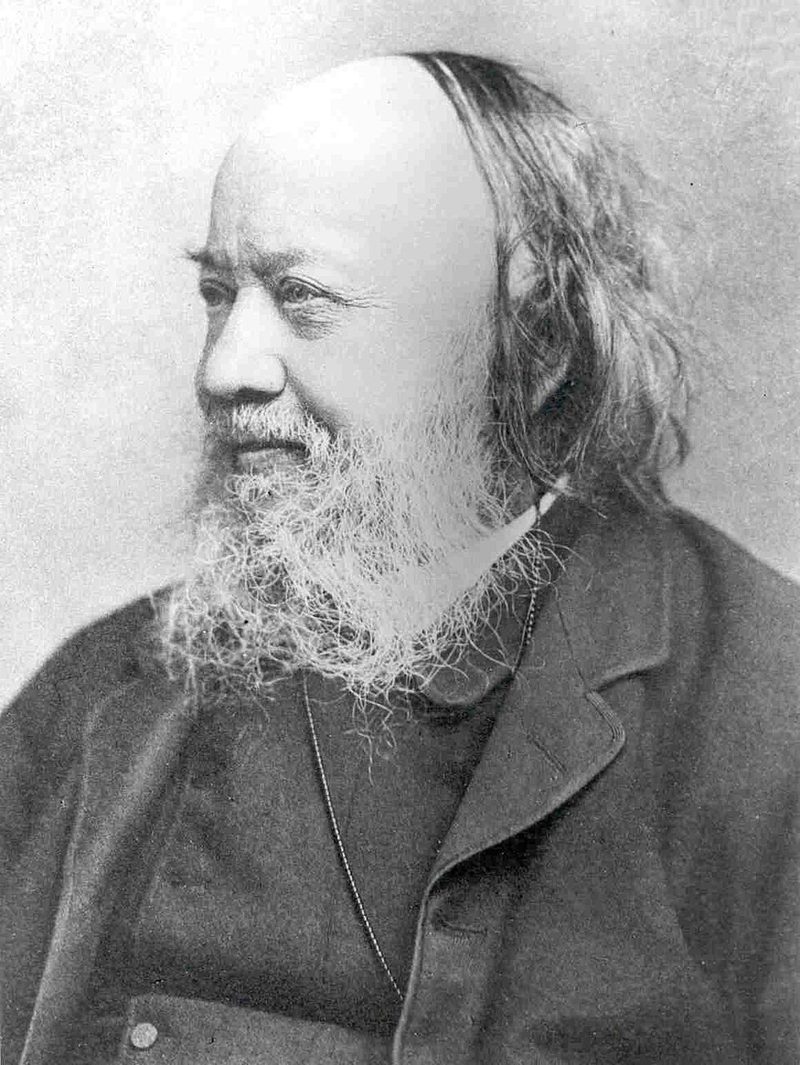 Same disease or problem1848Public Health Act of 1848Shattuck asked for state and local boards of health, which Britain had created by law in 1848. The act's story shows local boards taking over sewers and drains, and imposed where deaths ran high.Read this moment
-
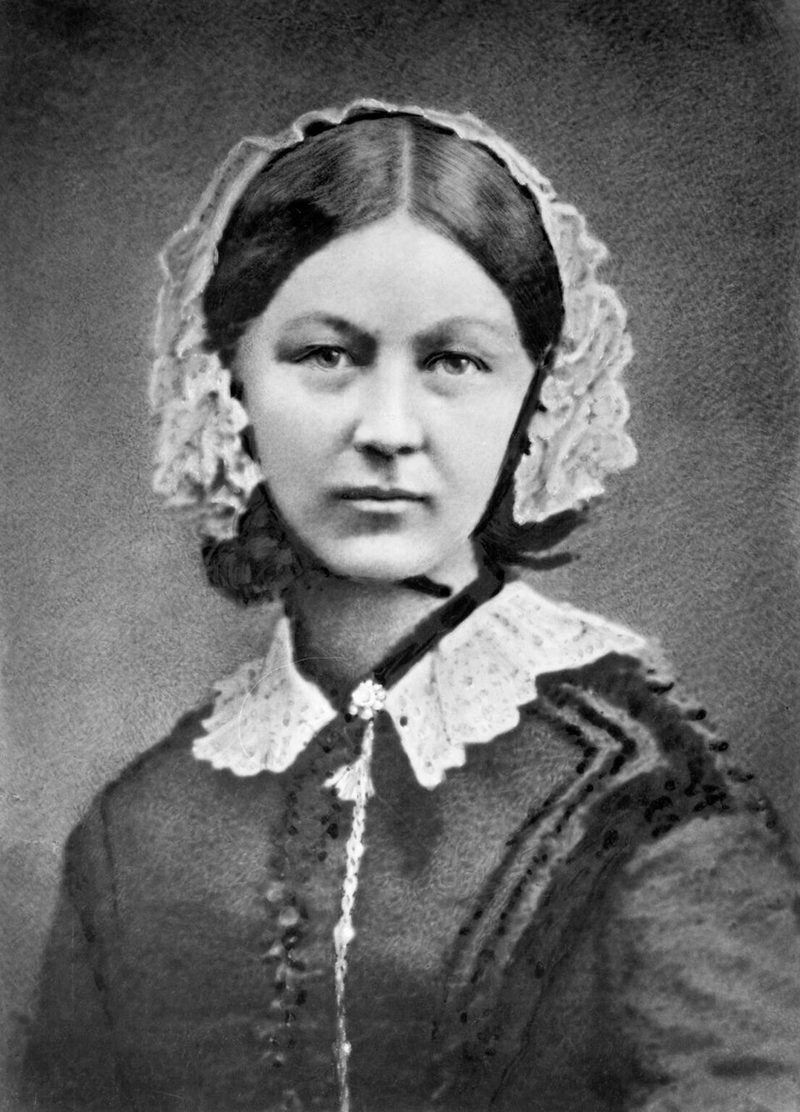 Same disease or problem1860Nightingale Training School for NursesShattuck proposed schools to train women as nurses, and Nightingale opened one in London ten years later. Its story shows 15 probationers trained under set rules whose graduates led training schools elsewhere.Read this moment