Patients & Rights
1860
Nightingale Training School for Nurses
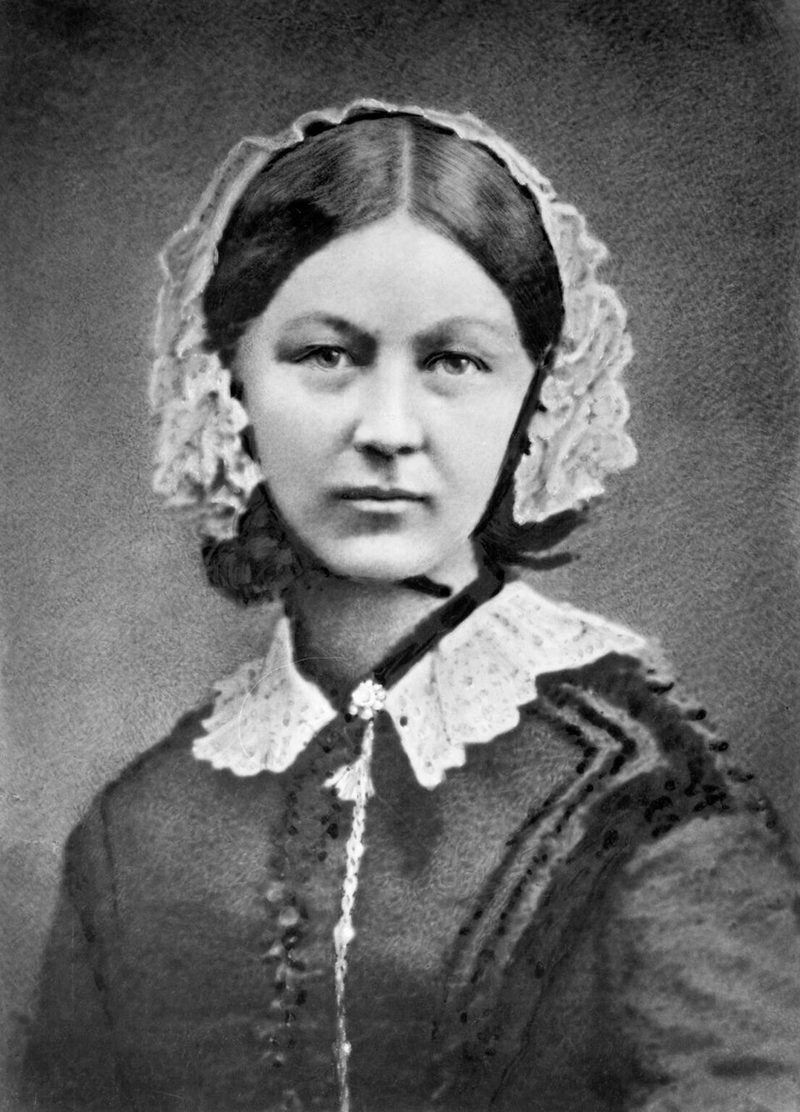
A fund raised by public subscription in Florence Nightingale's name opened a school at St Thomas' Hospital, London, in 1860 to train nurses under set regulations. Its first intake was 15 probationers, and its graduates went on to lead training schools elsewhere.
Key people
- Florence Nightingale
- Founded the school with the public fund raised in her honor
- Henry Bonham-Carter
- Nightingale's cousin; secretary of the Nightingale Fund Council, 1861 to 1914
- Mrs Wardroper
- Matron of St Thomas' Hospital who reported on Nightingale-trained nurses
Source
Florence Nightingale came home from the Crimean War a public heroine, and donations poured into a fund raised by public subscription in her honor. In 1859 she set up the Nightingale Fund Council to manage the money, which was meant to let her found a school for nurses. Her own training had been three months at a hospital and school in Düsseldorf, followed at 33 by a post as superintendent of a hospital for gentlewomen in Harley Street.
The school opened in 1860 at St Thomas' Hospital, then in Southwark, with a first intake of 15 probationers. The hospital's matrons oversaw it, and Mrs Wardroper, matron of St Thomas', wrote to the Fund Council about where the nurses trained there went next. The records kept at the London Metropolitan Archives include the regulations probationers had to follow, timetables and syllabuses from 1861, registers of admissions, ward diaries, and addresses Nightingale wrote to the probationers from 1872 to 1900.
Training spread through the people the school produced. Other voluntary hospitals and workhouse infirmaries opened schools of their own, many run by superintendents trained at St Thomas'. The Fund Council paid for a midwifery school at King's College Hospital from 1862 to 1867 and helped schools at the Liverpool Workhouse Infirmary from 1864, Highgate Infirmary from 1871 and the Edinburgh Royal Infirmary from 1872.
Requests also came from abroad, and Nightingale nurses were asked to start schools in Australia, America and Africa. Her cousin Henry Bonham-Carter, secretary of the Fund Council from 1861 to 1914, handled the letters from hospitals asking for trained nurses.
In 1871 St Thomas' left Southwark for its present site in Lambeth. The Florence Nightingale Museum now stands in the hospital grounds on Lambeth Palace Road.
Keep exploring
 Read next · built on
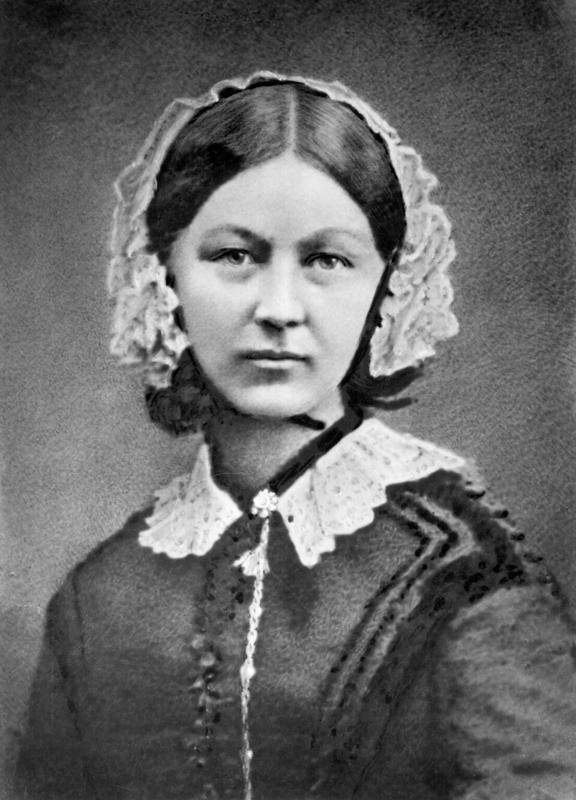
Florence Nightingale at Scutari (1854)
The school was paid for by a fund raised in Nightingale's honor after her work in the Crimean War. The Scutari story shows the hospital she reorganized, where the death rate fell by two thirds.
Read this moment
Read next · built on
Florence Nightingale at Scutari (1854)
The school was paid for by a fund raised in Nightingale's honor after her work in the Crimean War. The Scutari story shows the hospital she reorganized, where the death rate fell by two thirds.
Read this moment
 Today on The Clinical Times
Love to Dream recalls portable baby sound machine over fire and burn risk
Love to Dream has recalled its portable Sleep Machine because its lithium-ion battery can overheat while charging with an incompatible charger, creating a risk of fire and burns.
Read today’s top stories
Today on The Clinical Times
Love to Dream recalls portable baby sound machine over fire and burn risk
Love to Dream has recalled its portable Sleep Machine because its lithium-ion battery can overheat while charging with an incompatible charger, creating a risk of fire and burns.
Read today’s top stories
All 526 moments in the history of medicine. This one is in chapter 4, Germs, numbers and clean water
Connected moments
How this moment links to others in the history of medicine, and what you will find in each.
-
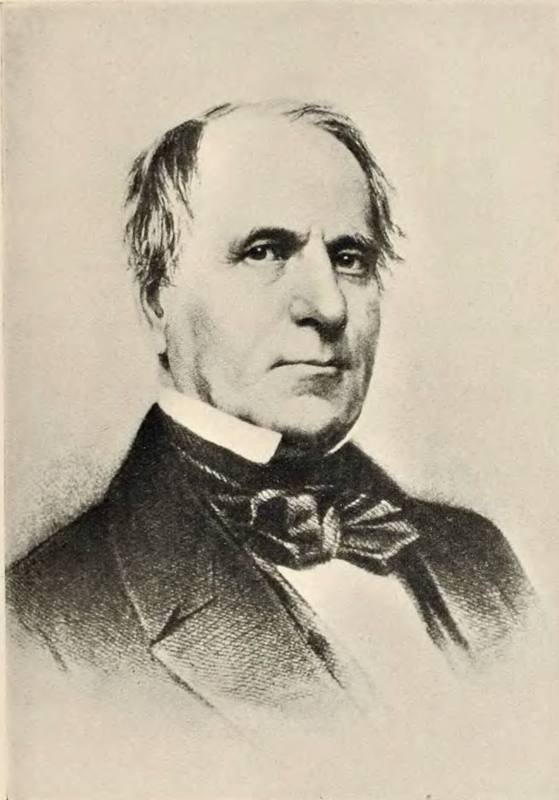 Same disease or problem1850Shattuck's sanitary report for MassachusettsShattuck proposed schools to train women as nurses in 1850, and Nightingale's school opened in London ten years later. His report shows 50 public health measures proposed for Massachusetts.Read this moment
-
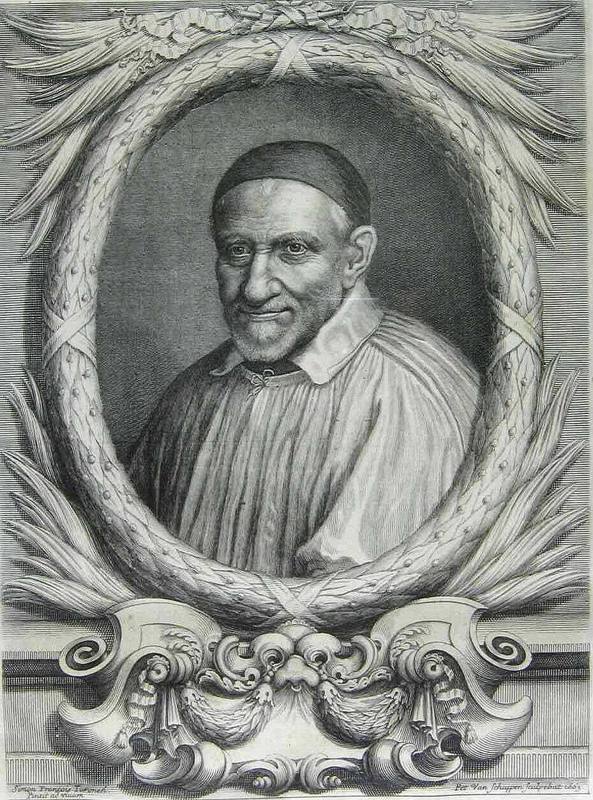 Same disease or problem1633The Daughters of CharityBoth organized women to care for the sick, the Daughters of Charity as a religious community and Nightingale's probationers under set regulations. The Daughters' story shows nursing in homes, hospitals and on battlefields from 1633.Read this moment
-
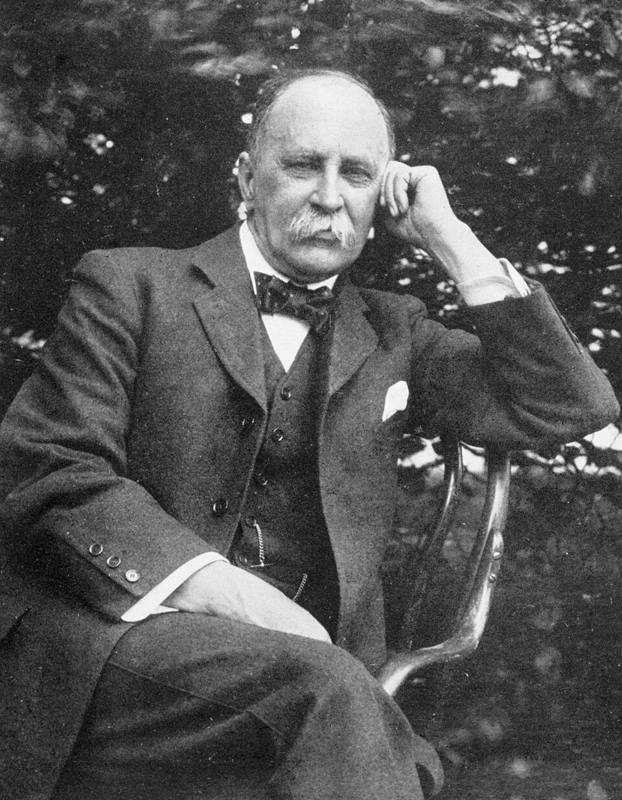 Same disease or problem1889Johns Hopkins Hospital and the residency systemNightingale's school trained nurses inside a hospital, and Johns Hopkins did the same for doctors with its residency system. Both models spread through their graduates, and the Hopkins story shows how.Read this moment