Patients & Rights
1633
The Daughters of Charity
In 1633 Vincent de Paul and Louise de Marillac gathered young women in Paris into the Daughters of Charity, a community that lived outside the cloister so that its members could nurse the sick poor in their homes, in hospitals and on battlefields.
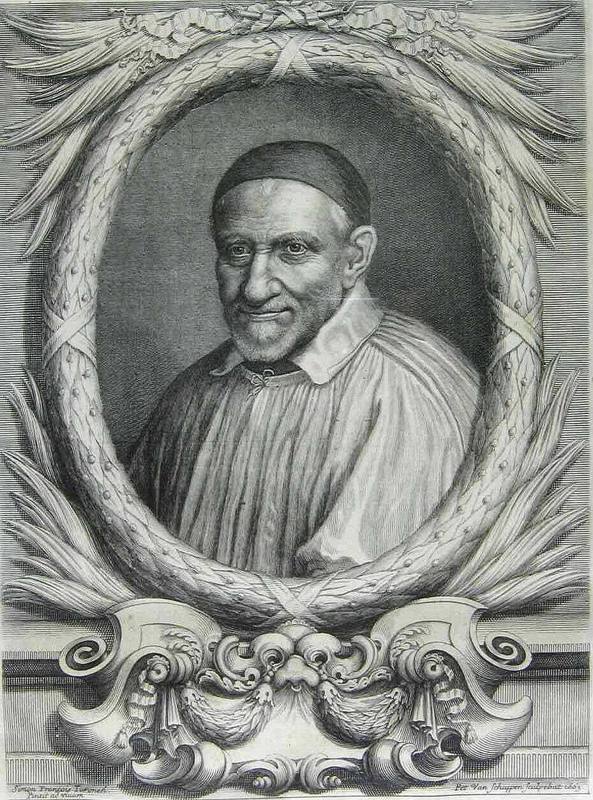
Key people
- Louise de Marillac
- Co-founder and first leader of the Daughters of Charity
- Vincent de Paul
- Priest who co-founded the Daughters and the Congregation of the Mission
Source
Louise de Marillac, a Parisian widow, had worked with the Ladies of Charity, wealthy women who helped the poor. Vincent de Paul had founded the Congregation of the Mission in 1625, and four years later he asked her to help him with the Confraternities of Charity in the parishes of France.
In 1633 the two brought together in Paris a group of twelve young women of peasant background, unlike the well-born members of most religious communities. At the time no community of women in France worked outside the walls of a cloister, and Vincent wanted a company that could go anywhere. The Daughters took simple vows, renewed every year, adding a vow of service of the poor to poverty, chastity and obedience. As Vincent put it, their cell was a rented room, their chapel the parish church and their cloister the streets of the city.
Their work took them to the sick in their own homes and in hospitals, to wounded soldiers on the battlefield and to prisoners condemned to the galleys. They set up soup kitchens, organized community hospitals, founded schools and homes for orphans, offered job training and worked to improve conditions in prisons.
Louise died on 15 March 1660, a few months before Vincent. She was canonized in 1934, and in 1960 Pope John XXIII named her patron of social workers. In the 19th century a community of sisters founded in the United States by Elizabeth Ann Seton joined the Daughters of Charity, whose motherhouse remains in Paris. The order now has more than 13,000 members in more than 96 countries.
Keep exploring
 Read next · same disease or problem
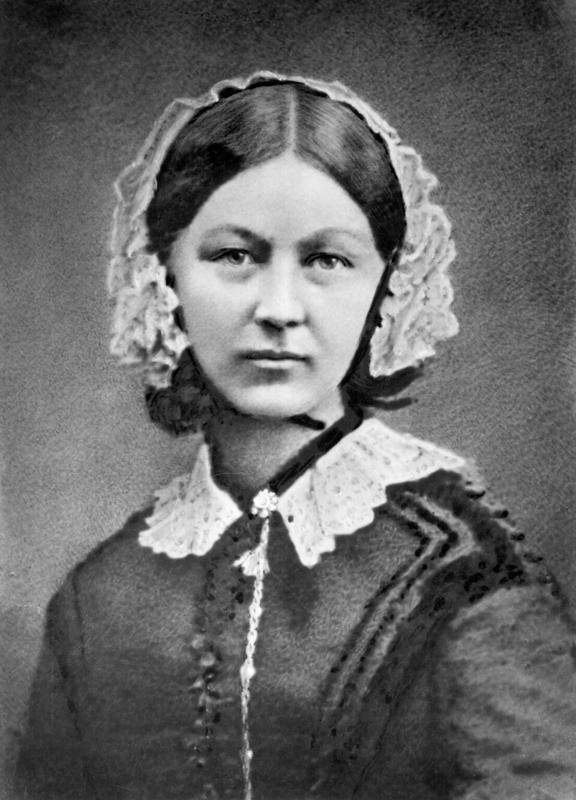
Florence Nightingale at Scutari (1854)
The Daughters of Charity nursed wounded soldiers on battlefields, and Nightingale took women nurses into British military hospitals in 1854. Her story shows supplies, food and cleaning reorganized at Scutari, with the death rate falling by two thirds.
Read this moment
Read next · same disease or problem
Florence Nightingale at Scutari (1854)
The Daughters of Charity nursed wounded soldiers on battlefields, and Nightingale took women nurses into British military hospitals in 1854. Her story shows supplies, food and cleaning reorganized at Scutari, with the death rate falling by two thirds.
Read this moment
 Today on The Clinical Times
Love to Dream recalls portable baby sound machine over fire and burn risk
Love to Dream has recalled its portable Sleep Machine because its lithium-ion battery can overheat while charging with an incompatible charger, creating a risk of fire and burns.
Read today’s top stories
Today on The Clinical Times
Love to Dream recalls portable baby sound machine over fire and burn risk
Love to Dream has recalled its portable Sleep Machine because its lithium-ion battery can overheat while charging with an incompatible charger, creating a risk of fire and burns.
Read today’s top stories
All 526 moments in the history of medicine. This one is in chapter 3, Anatomy and observation
Connected moments
How this moment links to others in the history of medicine, and what you will find in each.
-
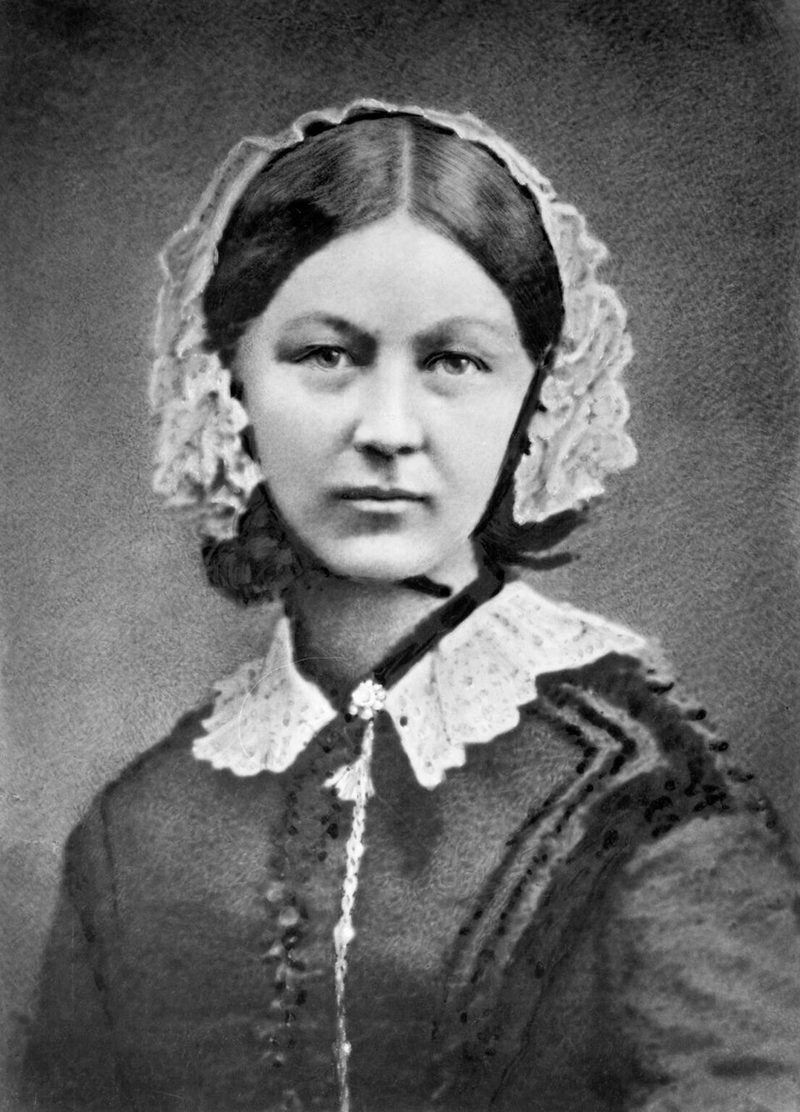 Same disease or problem1860Nightingale Training School for NursesBoth built nursing as organized work for women, the Daughters as a religious community and Nightingale's school with set regulations. The school's story shows its graduates going on to lead training schools elsewhere.Read this moment
-
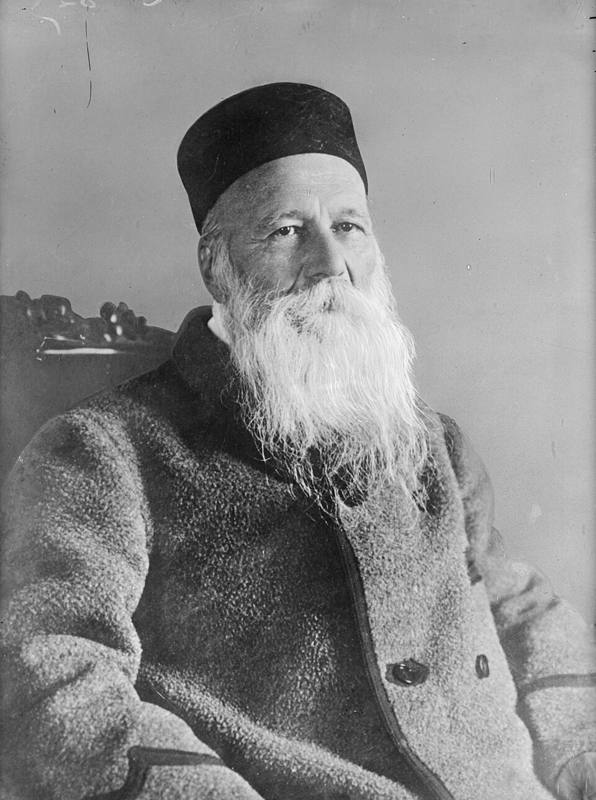 Same disease or problem1863Founding of the Red CrossBoth cared for wounded soldiers, the Daughters of Charity from 1633 and the Red Cross from 1863. The Red Cross story shows how Dunant's proposals produced an emblem and the 1864 Geneva Convention, which obliged armies to care for the wounded.Read this moment