Infectious Disease
c. 1630
Cinchona Bark as a Remedy for Malaria
Bark of the Andean cinchona tree, first documented as a fever remedy in Spanish Peru around 1630 and carried to Europe by Jesuits, stayed the most effective treatment for malaria until the 1940s and in 1820 yielded quinine.
Key people
- Juan de Lugo
- Spanish cardinal credited with the Roman bark recipe, the Schedula Romana
- Robert Talbor
- English practitioner credited with spreading bark therapy; physician to Charles II
- Pierre-Joseph Pelletier
- Chemist who isolated quinine from cinchona bark in 1820, with Caventou
- Joseph Bienaimé Caventou
- Chemist who isolated quinine with Pelletier in 1820
Source
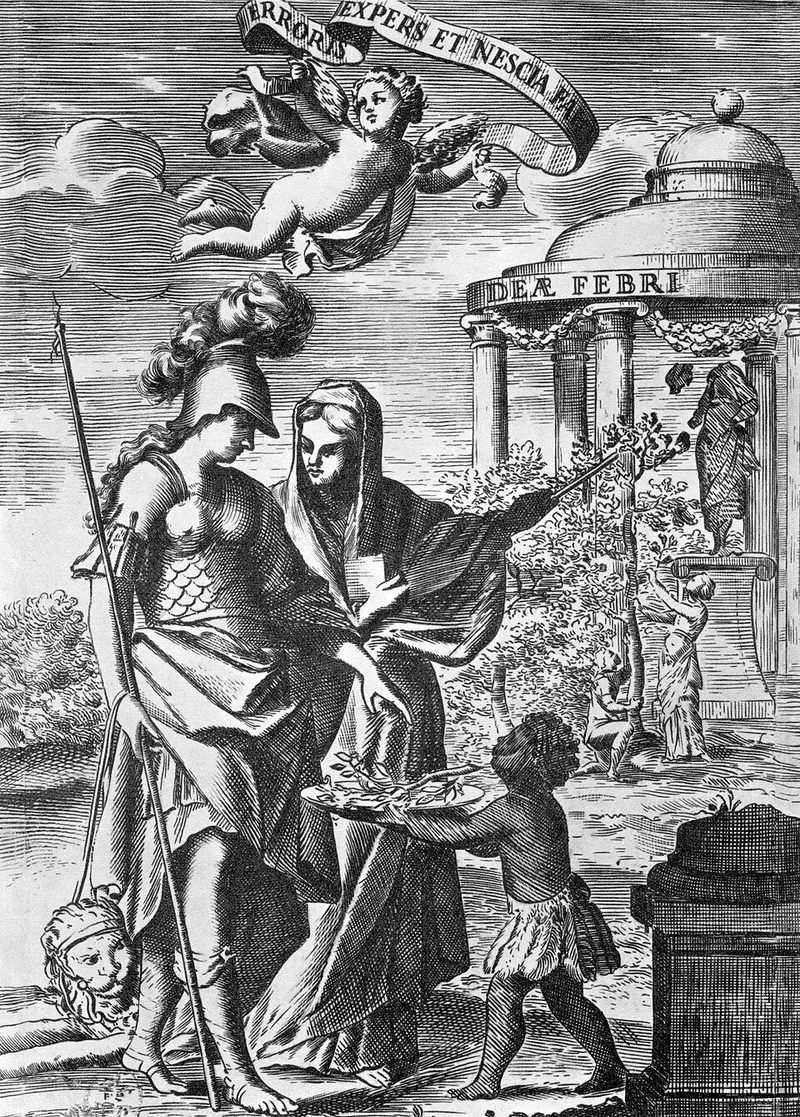
In Spanish Peru the bitter bark of the cinchona tree was called cascarilla. How its power against fever came to light is unclear. The Jesuit Sánchez Labrador recorded a story from Loja of a man who recovered from a fever after drinking from a lake made bitter by fallen cinchona trees. Historians still debate whether Indigenous healers knew the bark cured malaria or whether Jesuits worked that out after learning its use against fever from them.
The James Lind Library dates the first documented Spanish use to around 1630. A 2026 review of early Peruvian sources in CDC's Emerging Infectious Diseases cites an account in which Pedro Leiva, a chief of the Palta people, treated a Jesuit sick with malaria, who then used the bark to cure a Spanish official, the corregidor Cañizares, in 1630. The better-known story, that the Countess of Chinchón, wife of the Viceroy of Peru, was cured of a fever in 1630 and gave the tree its name, is a legend. The CDC review notes that most researchers now consider it apocryphal, and Cambridge University Library reports that research has almost entirely rejected it.
Jesuits brought the bark to Europe, where it was known as Jesuits' powder, Peruvian bark or cardinal's powder. Exports to Spain began around 1640 and reached Rome and Paris about ten years later, and Jesuit colleges in Genoa, Lyon, Louvain and Ratisbon were using it from 1650. A Roman recipe of about that date, the Schedula Romana, usually credited to Cardinal Juan de Lugo, had two drachms of finely ground bark steeped in strong wine and taken daily.
Quality was a problem from the start. Barks of uneven strength and outright fakes, some from holly, flooded the market, and European botanists did not describe the tree until about 1730. Protestants distrusted a remedy promoted by Jesuits. In England Robert Talbor published an account of a secret cure for ague in 1672 and became physician to Charles II and later Louis XIV. Thomas Sydenham, lukewarm about the bark in 1666, called it the only specific ten years later.
Pierre-Joseph Pelletier and Joseph Bienaimé Caventou isolated two alkaloids from the bark in 1820, quinine and cinchonine. Quinine's molecular structure was not worked out until 1944, and only then could antimalarial drugs be synthesized on a commercial scale.
Keep exploring
 Read next · led to
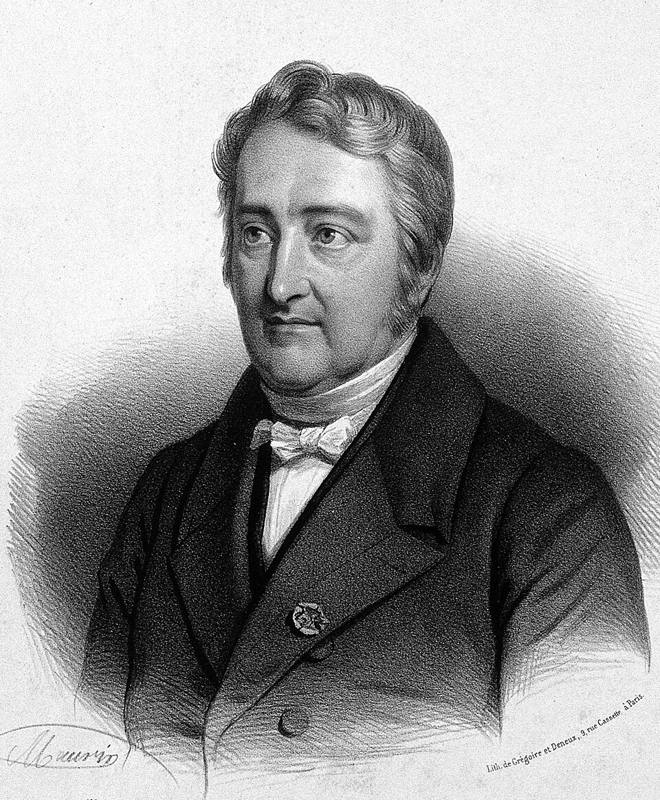
Isolation of quinine from cinchona bark (1820)
In 1820 Pelletier and Caventou isolated quinine from cinchona bark. Their story shows how purified quinine soon replaced the ground bark as the standard malaria treatment.
Read this moment
Read next · led to
Isolation of quinine from cinchona bark (1820)
In 1820 Pelletier and Caventou isolated quinine from cinchona bark. Their story shows how purified quinine soon replaced the ground bark as the standard malaria treatment.
Read this moment
 Today on The Clinical Times
Love to Dream recalls portable baby sound machine over fire and burn risk
Love to Dream has recalled its portable Sleep Machine because its lithium-ion battery can overheat while charging with an incompatible charger, creating a risk of fire and burns.
Read today’s top stories
Today on The Clinical Times
Love to Dream recalls portable baby sound machine over fire and burn risk
Love to Dream has recalled its portable Sleep Machine because its lithium-ion battery can overheat while charging with an incompatible charger, creating a risk of fire and burns.
Read today’s top stories
All 526 moments in the history of medicine. This one is in chapter 3, Anatomy and observation
Connected moments
How this moment links to others in the history of medicine, and what you will find in each.
-
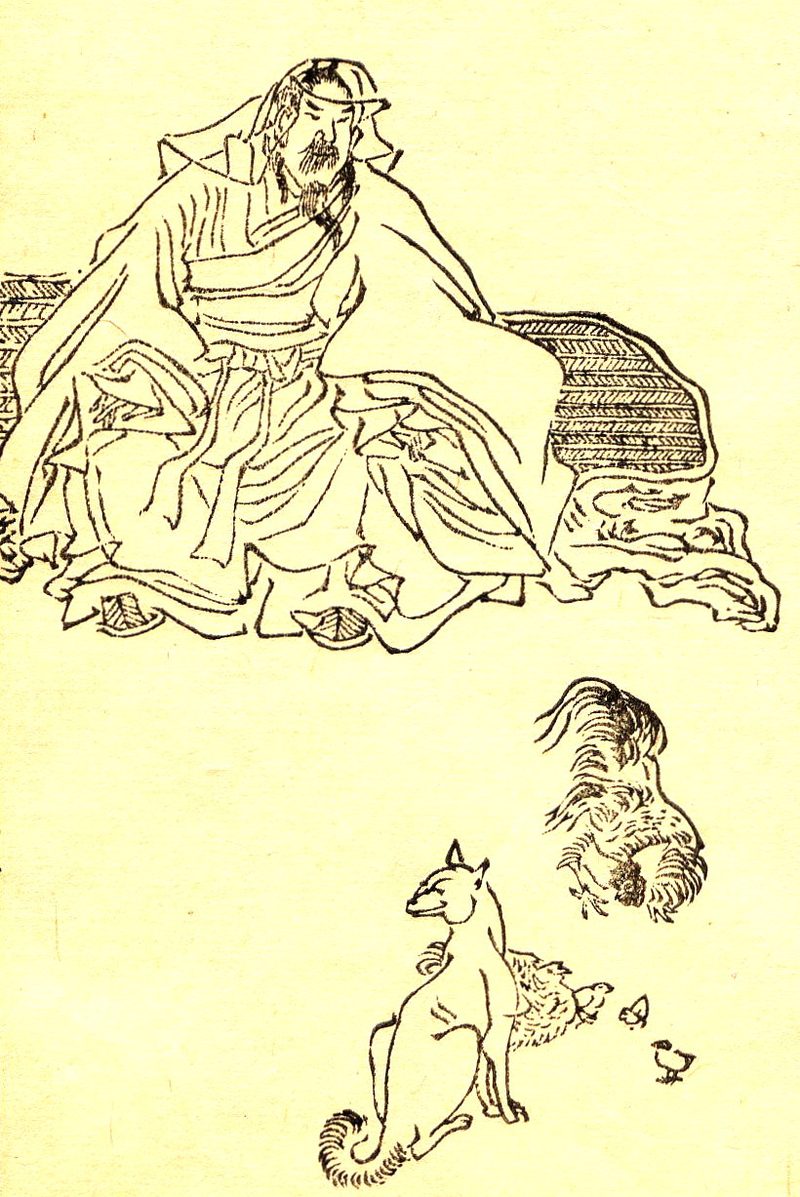 Same disease or problemc. 340 CEGe Hong's Handbook of Prescriptions for EmergenciesBoth are plant remedies for the periodic fevers of malaria, cinchona bark from the Andes and qinghao in China. Ge Hong's story shows the Chinese recipe that led, sixteen centuries later, to artemisinin.Read this moment
-
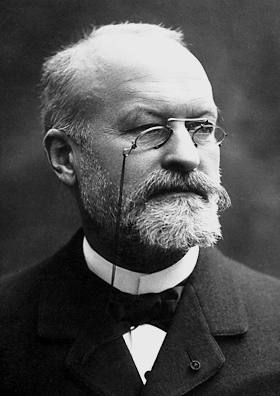 Same disease or problem1880Laveran's discovery of the malaria parasiteCinchona bark treated malaria for two and a half centuries before anyone knew its cause. Laveran's story shows the malaria parasite first seen in a patient's blood in Algeria in 1880.Read this moment
-
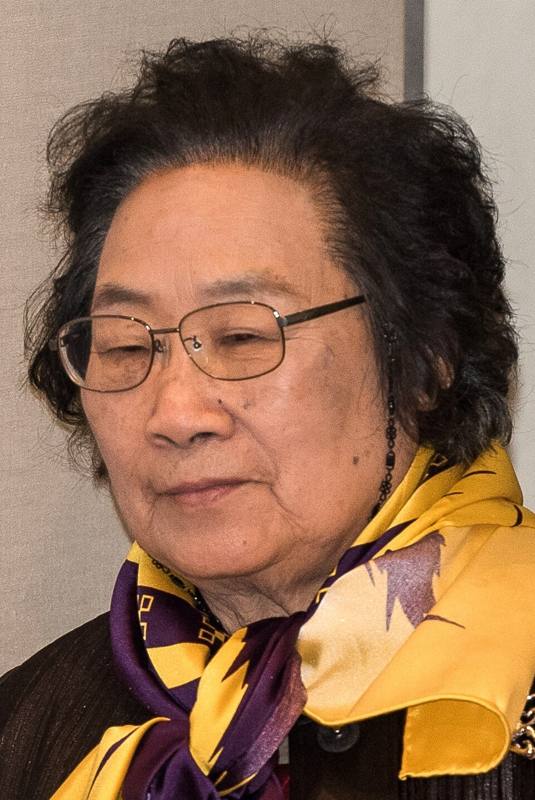 Same disease or problem1972Tu Youyou and artemisininCinchona led to quinine and later synthetic drugs, and when chloroquine failed in Southeast Asia China searched for a new remedy. Tu Youyou's story shows that search ending in artemisinin, drawn from an old fever herb.Read this moment