Infectious Disease
1820
Isolation of quinine from cinchona bark
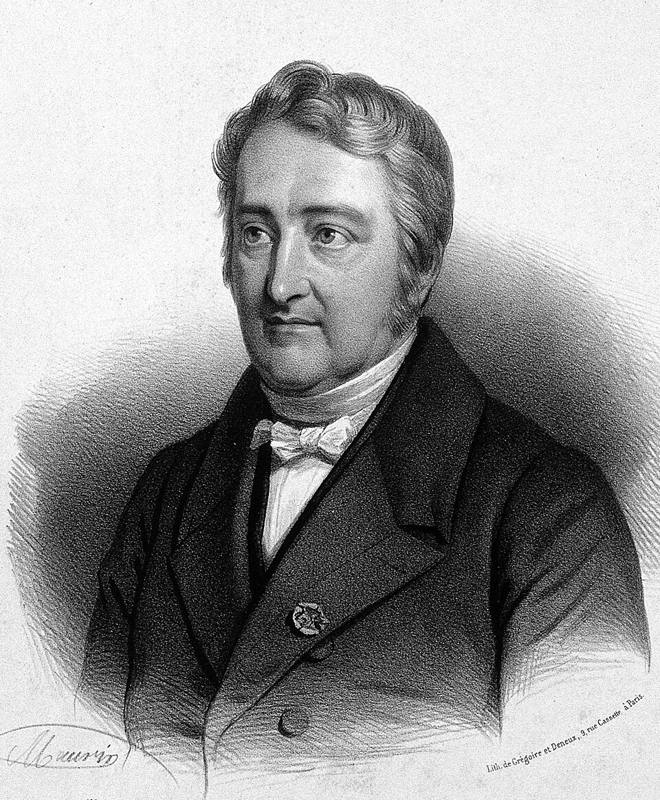
In 1820 the French chemist Pierre-Joseph Pelletier and the pharmacist Joseph Caventou extracted quinine, the active alkaloid of cinchona bark. Purified quinine soon replaced the ground bark as the standard treatment for malaria.
Key people
- Pierre-Joseph Pelletier
- French chemist who co-isolated quinine in 1820
- Joseph Bienaimé Caventou
- French pharmacist who co-isolated quinine in 1820
- Friedrich Ferdinand Runge
- Obtained the same cinchona base, which he called China base, in 1819
Source
Jesuit missionaries in South America were using the bark of the cinchona tree against fever by about 1630, and within decades it was known in Europe as Jesuits' bark. The bark was dried, ground to a powder and drunk, usually in wine. In England Robert Talbor sold a secret fever cure; revealed after his death, it was Jesuits' powder in wine.
For some 80 years after Linnaeus named the tree in 1742, chemists tried and failed to isolate the substance in the bark that did the work. In 1819 Friedrich Ferdinand Runge obtained what he called China base. A year later Pelletier and Caventou treated the bark of Cinchona cordifolia with acid, neutralized the extract with alkali, and obtained the same substance. They named it quinine.
Samples went to clinicians in Paris hospitals, and several soon reported that quinine worked against malaria. Production grew fast. By 1826 Pelletier and Caventou were making more than 3,500 kg of quinine sulfate a year, which took over 150,000 kg of bark. A glass bottle of their original 1820 preparation, collected for Henry Wellcome's museum in 1934, is now in the Science Museum Group collection.
Demand for bark soared. In 1880 Colombia alone exported six million pounds of it to Europe. The exporting countries, Colombia, Ecuador and Peru, banned the export of cinchona seeds to protect their trade. The bark held other alkaloids too, and in a trial from 1866 to 1868 in 3,600 patients, quinine, quinidine, cinchonine and cinchonidine all stopped the fevers in more than 98 percent of cases. After 1890 quinine became the one most used, because bark from Java contained more of it. Dutch plantations there came to dominate the market, and quinine remained the mainstay of malaria treatment until the 1920s.
Keep exploring
 Read next · built on
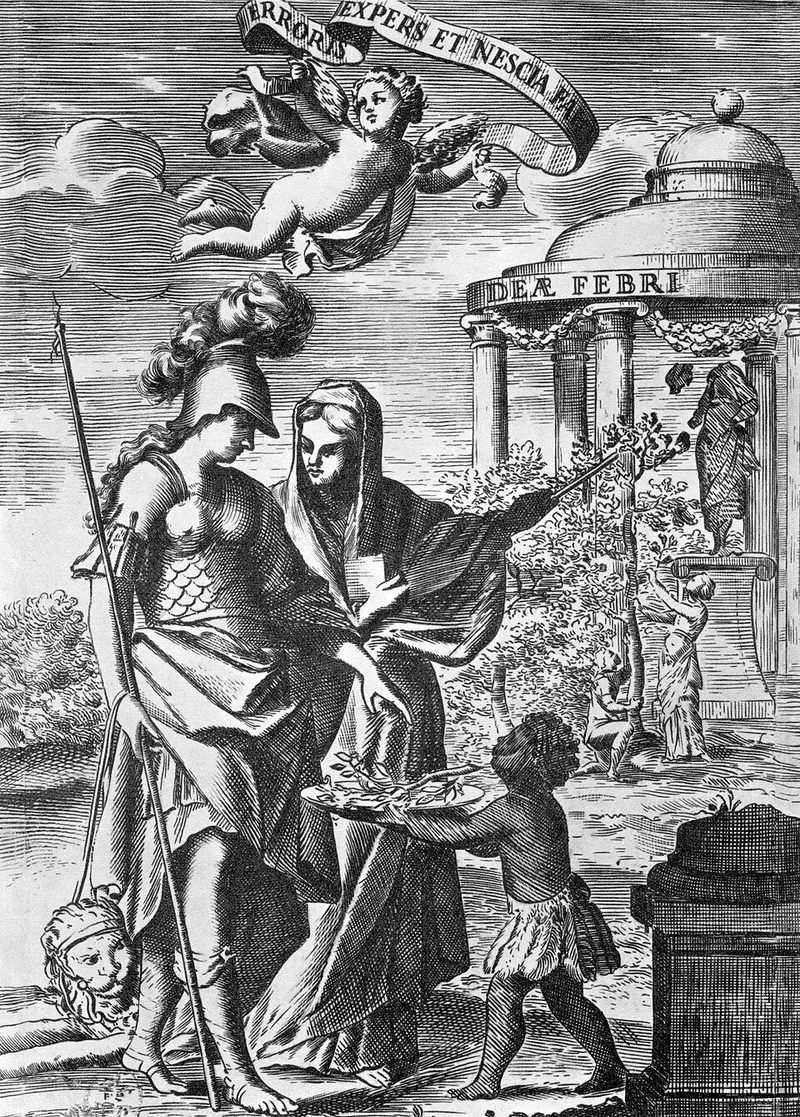
Cinchona Bark as a Remedy for Malaria (c. 1630)
Pelletier and Caventou extracted quinine from the cinchona bark that had treated fevers since about 1630. The cinchona story shows the bark's uncertain origins, its Jesuit trade and the fakes that flooded the market.
Read this moment
Read next · built on
Cinchona Bark as a Remedy for Malaria (c. 1630)
Pelletier and Caventou extracted quinine from the cinchona bark that had treated fevers since about 1630. The cinchona story shows the bark's uncertain origins, its Jesuit trade and the fakes that flooded the market.
Read this moment
 Today on The Clinical Times
Love to Dream recalls portable baby sound machine over fire and burn risk
Love to Dream has recalled its portable Sleep Machine because its lithium-ion battery can overheat while charging with an incompatible charger, creating a risk of fire and burns.
Read today’s top stories
Today on The Clinical Times
Love to Dream recalls portable baby sound machine over fire and burn risk
Love to Dream has recalled its portable Sleep Machine because its lithium-ion battery can overheat while charging with an incompatible charger, creating a risk of fire and burns.
Read today’s top stories
All 526 moments in the history of medicine. This one is in chapter 4, Germs, numbers and clean water
Connected moments
How this moment links to others in the history of medicine, and what you will find in each.
-
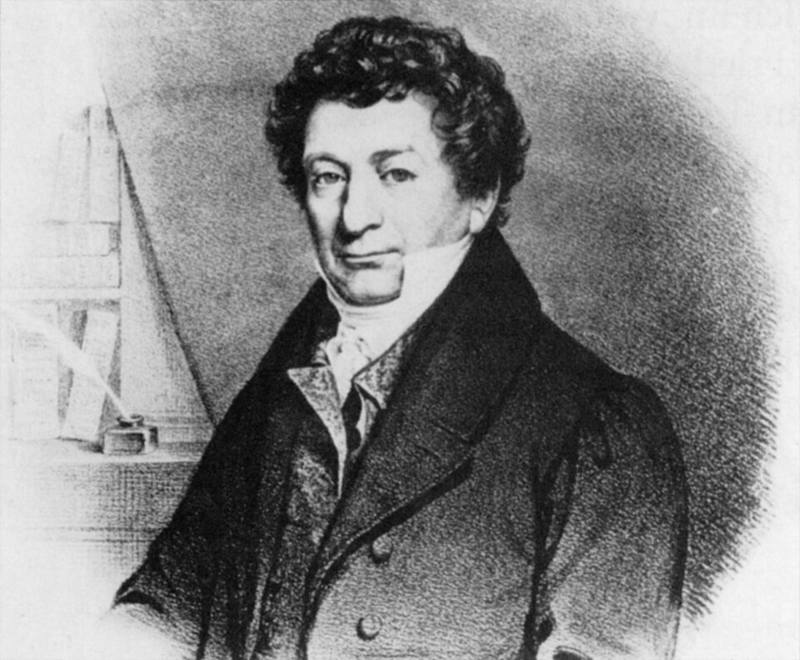 Built onc. 1805Sertürner's isolation of morphineSertürner isolated morphine, the first alkaloid, and quinine was among those that followed. His story shows how finding the active principle of a plant let doctors give a measured dose.Read this moment
-
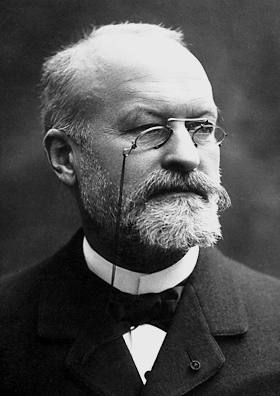 Same disease or problem1880Laveran's discovery of the malaria parasiteQuinine treated malaria for decades before anyone knew what caused it. Laveran's story shows the parasite first seen in a patient's blood in 1880.Read this moment
-
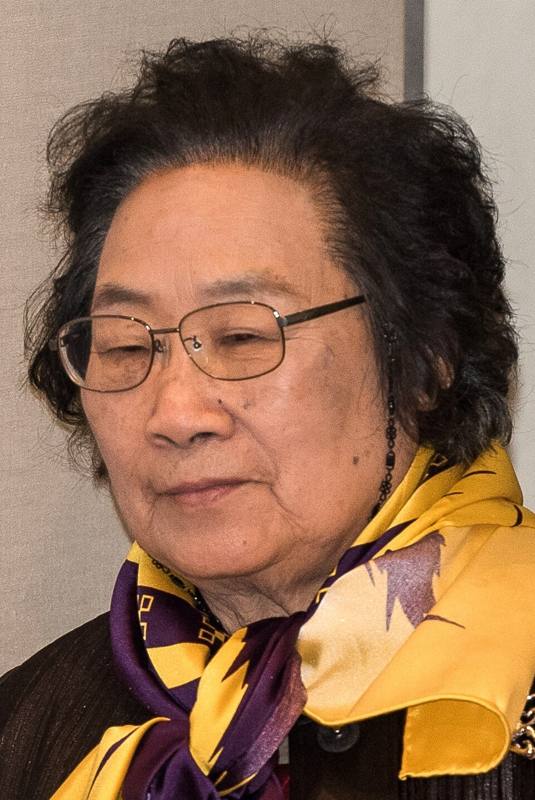 Same disease or problem1972Tu Youyou and artemisininQuinine was the mainstay of malaria treatment into the 1920s, and artemisinin became the answer when later drugs failed. Tu Youyou's story shows an old Chinese fever herb turned into a drug used wherever malaria is common.Read this moment