Infectious Disease
1972
Tu Youyou and artemisinin
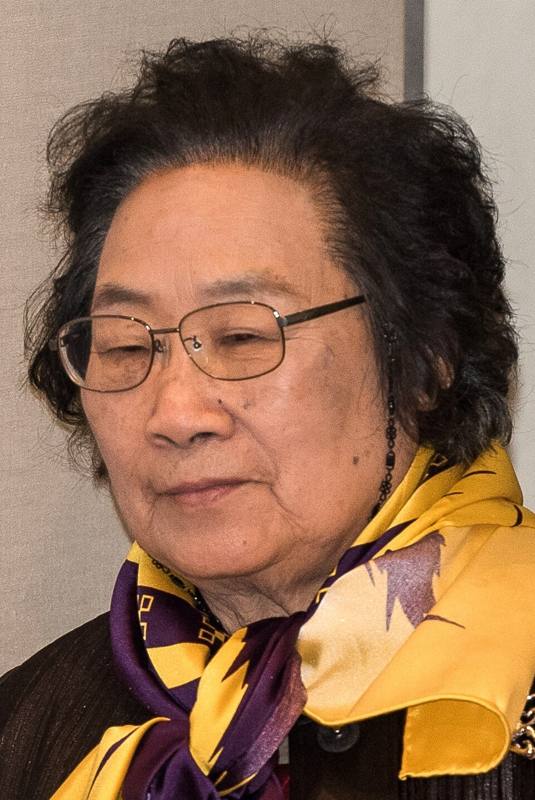
A Chinese team led by Tu Youyou took an old fever herb, qinghao, into the laboratory, showed that a low-temperature ether extract cured malaria in animals and patients, and isolated its active compound in 1972. Artemisinin combinations are now used wherever malaria is common.
Key people
- Tu Youyou
- Led the Project 523 group at the Institute of Chinese Materia Medica
Source
By the late 1960s chloroquine was failing against falciparum malaria in Southeast Asia, then the scene of the Vietnam War. On 23 May 1967 China set up a secret national program, named Project 523 after that date, to coordinate antimalarial drug research across seven provinces and cities. Several thousand compounds were screened between 1967 and 1969 without success.
In 1969 the project's office asked the Institute of Chinese Materia Medica in Beijing for help, and Tu Youyou was put in charge of a research group. Within three months she had gathered more than 2,000 prescriptions from old medical texts, folk recipes and practitioners, and cut them to a list of 640. From May 1969 her group tested water and alcohol extracts of more than a hundred herbs on mice infected with rodent malaria, with few promising results.
Early extracts of qinghao (Artemisia annua) gave inconsistent results. Ge Hong's fourth-century handbook of emergency prescriptions told readers to soak a handful of the herb in water and drink the liquid, and Tu took this as a hint that heating was destroying the active principle. In September 1971 they extracted the herb with ethyl ether at a lower temperature and removed the acidic fraction. On 4 October 1971 the neutral portion, sample No. 191, was 100 percent effective against rodent malaria when given by mouth at 1.0 g/kg for three days. Monkeys gave the same result that winter.
Tu reported the findings to a Project 523 meeting in Nanjing on 8 March 1972. From August to October 1972 the extract was given to 21 patients with falciparum or vivax malaria in Hainan and to nine at the 302 Hospital in Beijing. All cleared their fevers and parasites. In November 1972 the group isolated the pure compound, later named qinghaosu or artemisinin. X-ray crystallography, done with the Shanghai Institute of Organic Chemistry and others, showed a new sesquiterpene lactone carrying a peroxide group. The structure was published in 1977.
Her group later made dihydroartemisinin, approved in China in 1992, six years after artemisinin itself. Tu received the Lasker clinical award in 2011 and half of the 2015 Nobel Prize in Physiology or Medicine. The Nobel Assembly estimated that artemisinin combination therapy cuts malaria deaths by more than 20 percent overall and by more than 30 percent in children.
Keep exploring
 Read next · built on
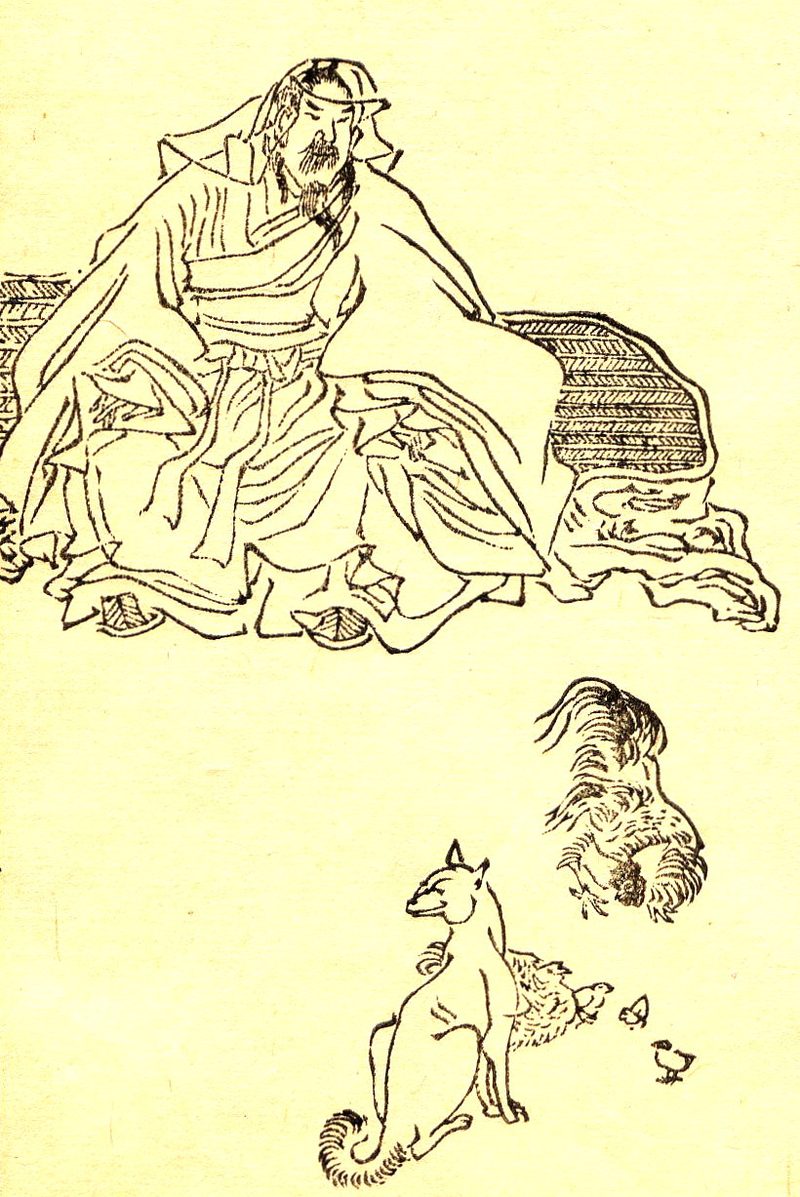
Ge Hong's Handbook of Prescriptions for Emergencies (c. 340 CE)
Ge Hong's fourth century recipe of soaking qinghao in water told Tu that heat was destroying the active drug. His entry shows the first written record of the herb against periodic fevers.
Read this moment
Read next · built on
Ge Hong's Handbook of Prescriptions for Emergencies (c. 340 CE)
Ge Hong's fourth century recipe of soaking qinghao in water told Tu that heat was destroying the active drug. His entry shows the first written record of the herb against periodic fevers.
Read this moment
 Today on The Clinical Times
Love to Dream recalls portable baby sound machine over fire and burn risk
Love to Dream has recalled its portable Sleep Machine because its lithium-ion battery can overheat while charging with an incompatible charger, creating a risk of fire and burns.
Read today’s top stories
Today on The Clinical Times
Love to Dream recalls portable baby sound machine over fire and burn risk
Love to Dream has recalled its portable Sleep Machine because its lithium-ion battery can overheat while charging with an incompatible charger, creating a risk of fire and burns.
Read today’s top stories
All 526 moments in the history of medicine. This one is in chapter 6, Trials, scanners and rights
Connected moments
How this moment links to others in the history of medicine, and what you will find in each.
-
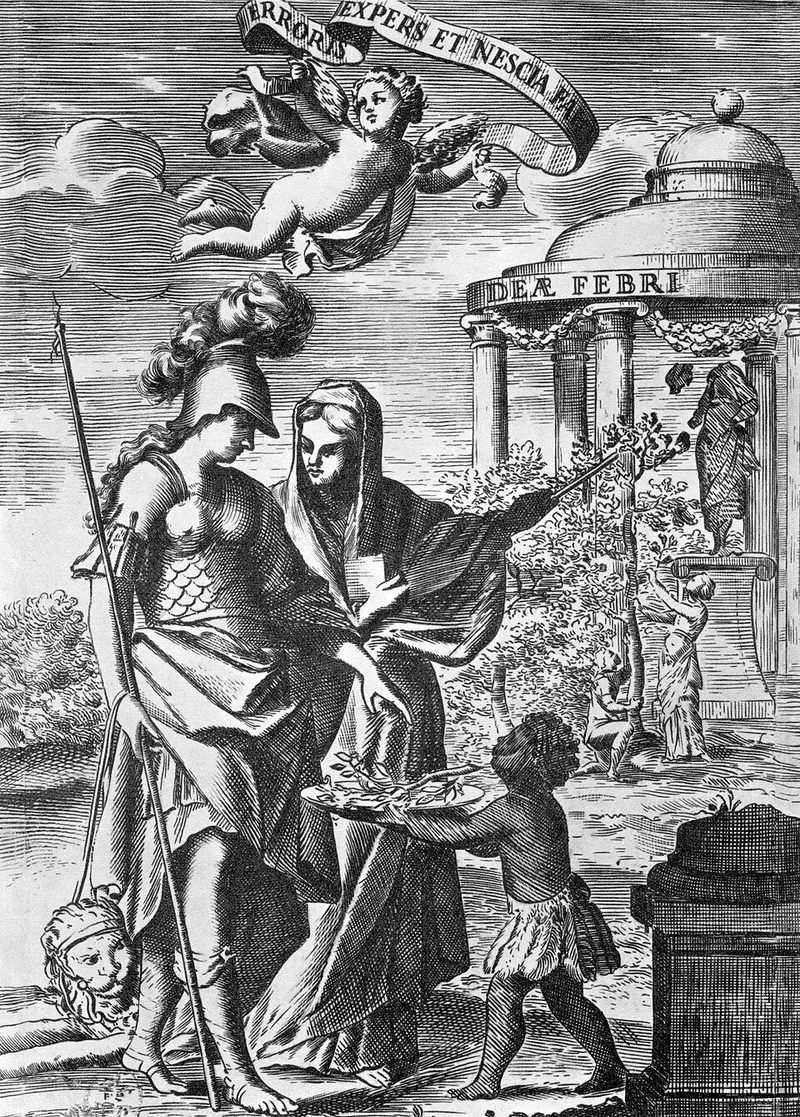 Same disease or problemc. 1630Cinchona Bark as a Remedy for MalariaBoth turned a traditional plant remedy into medicine's answer to malaria, three centuries apart. The cinchona entry shows the Andean bark that remained the best malaria treatment until the 1940s.Read this moment
-
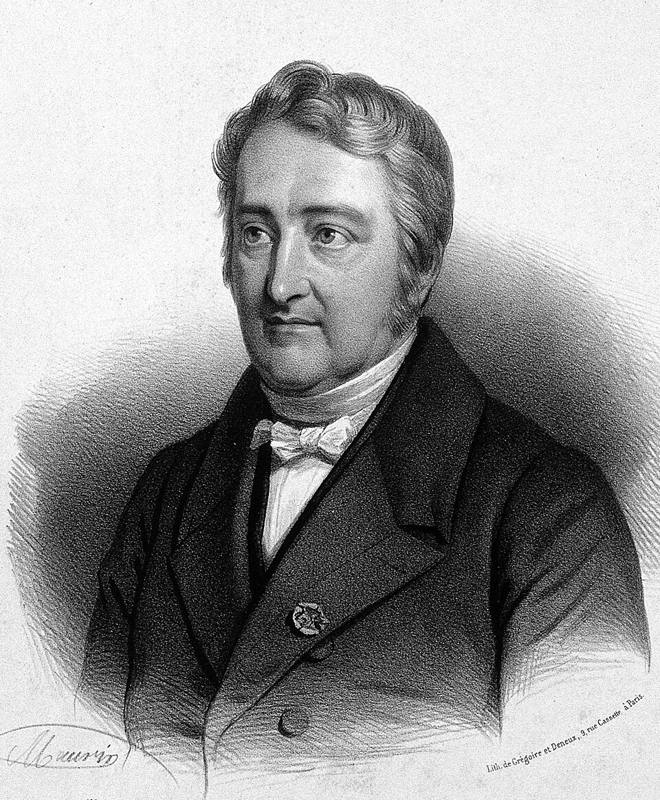 Same disease or problem1820Isolation of quinine from cinchona barkBoth isolated the pure active compound from a malaria herb, quinine from bark and artemisinin from qinghao. The quinine entry shows how the purified drug replaced ground bark as standard treatment.Read this moment
-
 Same disease or problem1955The Global Malaria Eradication ProgrammeDrug and insecticide resistance defeated the eradication campaign, and failing chloroquine drove China's search that found artemisinin. The eradication entry shows the DDT campaign and WHO's retreat to control in 1969.Read this moment