Foundational Discovery
c. 1805
Sertürner's isolation of morphine
A young German apothecary's apprentice separated the sleep-inducing principle of opium as pure crystals. It was the first alkaloid isolated from a plant, and it let doctors give a measured dose instead of opium of unpredictable strength.
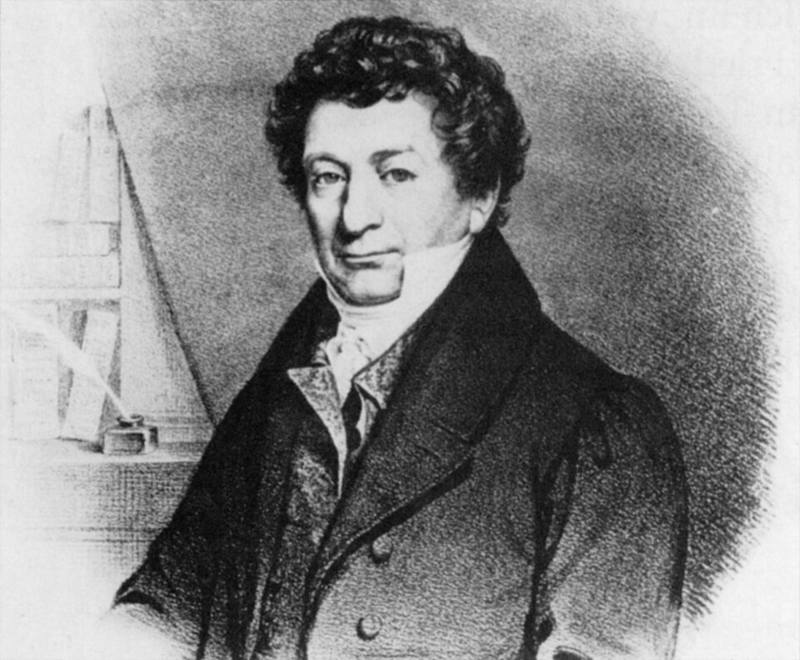
Key people
- Friedrich Wilhelm Sertürner
- Apothecary who isolated morphine and published the first clear account
- Séguin
- Reported isolating morphine to the Académie des Sciences in 1804
Source
Opium had been a medicine since ancient times, but around 1800 it was still given as a crude extract whose morphine content varied from one batch to the next, so the same dose could do nothing or cause an overdose. Chemists in Germany and France were looking for the part of the drug that did the work. In 1803 Derosne, working in France, precipitated a "salt of opium" with potassium carbonate but did not point out that it was a new substance.
Friedrich Wilhelm Sertürner, born in 1783, had been apprenticed at 16 to a court apothecary in Paderborn. With simple equipment he drew crystals of a sleep-inducing substance out of opium, tried it on rats and stray dogs, and described it in letters to Trommsdorff's Journal der Pharmacie in 1805 and 1806. The substance was a weak base that dissolved in acid. Later, during a bad toothache, he swallowed some himself, and he went on to test doses on himself and three young volunteers.
Sources date the discovery to 1804, 1805 or 1817: Séguin reported an isolation to the Académie des Sciences in 1804 but did not publish it until 1814, Sertürner gave the first clear published account in 1805, and his 1817 paper, which called the substance morphium, was the first to draw wide attention.
That 1817 paper won the notice of the French chemist J. L. Gay-Lussac, and the University of Jena gave Sertürner an honorary doctorate the same year. His plant base contradicted the belief that the active parts of medicinal plants were acids. In 1818 W. Meissner coined the word alkaloid for such bases, and codeine, quinine, strychnine and emetine were isolated over the following years. The Institut de France awarded Sertürner its Montyon Prize in 1831.
For its first decades morphine was swallowed. The hypodermic syringe that allowed it to be injected arrived almost 50 years after Sertürner's first report.
Keep exploring
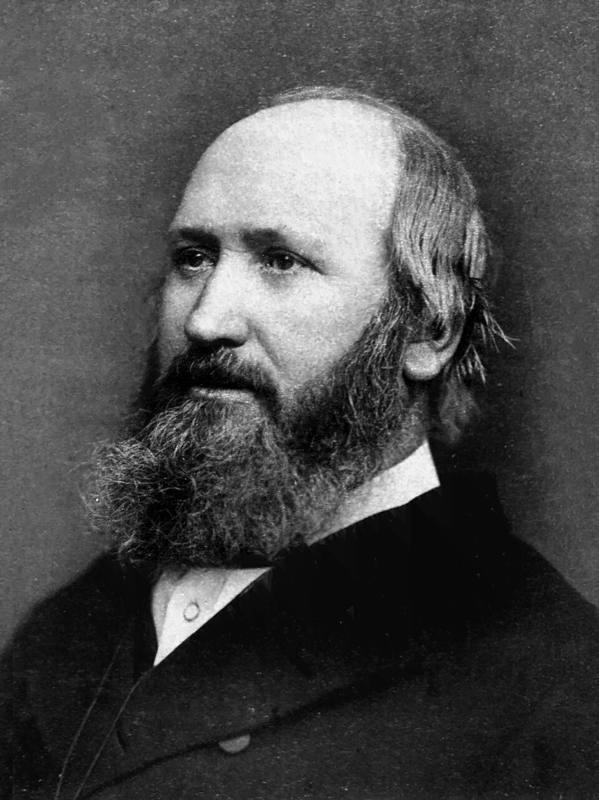 Read next · led to
Alexander Wood's hypodermic syringe (1853)
Morphine was swallowed for almost 50 years until Alexander Wood injected it through a hollow needle in 1853. His story shows the hypodermic syringe letting doctors give small, measured doses under the skin.
Read this moment
Read next · led to
Alexander Wood's hypodermic syringe (1853)
Morphine was swallowed for almost 50 years until Alexander Wood injected it through a hollow needle in 1853. His story shows the hypodermic syringe letting doctors give small, measured doses under the skin.
Read this moment
 Today on The Clinical Times
Love to Dream recalls portable baby sound machine over fire and burn risk
Love to Dream has recalled its portable Sleep Machine because its lithium-ion battery can overheat while charging with an incompatible charger, creating a risk of fire and burns.
Read today’s top stories
Today on The Clinical Times
Love to Dream recalls portable baby sound machine over fire and burn risk
Love to Dream has recalled its portable Sleep Machine because its lithium-ion battery can overheat while charging with an incompatible charger, creating a risk of fire and burns.
Read today’s top stories
All 526 moments in the history of medicine. This one is in chapter 4, Germs, numbers and clean water
Connected moments
How this moment links to others in the history of medicine, and what you will find in each.
-
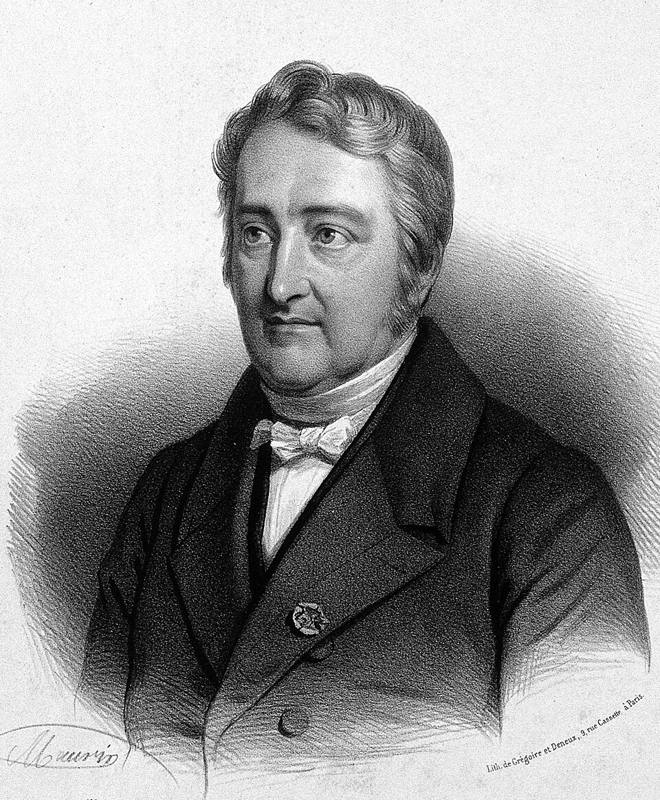 Led to1820Isolation of quinine from cinchona barkSertürner's plant base opened the way for other alkaloids, and quinine was isolated from cinchona bark in 1820. That story shows purified quinine replacing the ground bark as the standard malaria treatment.Read this moment
-
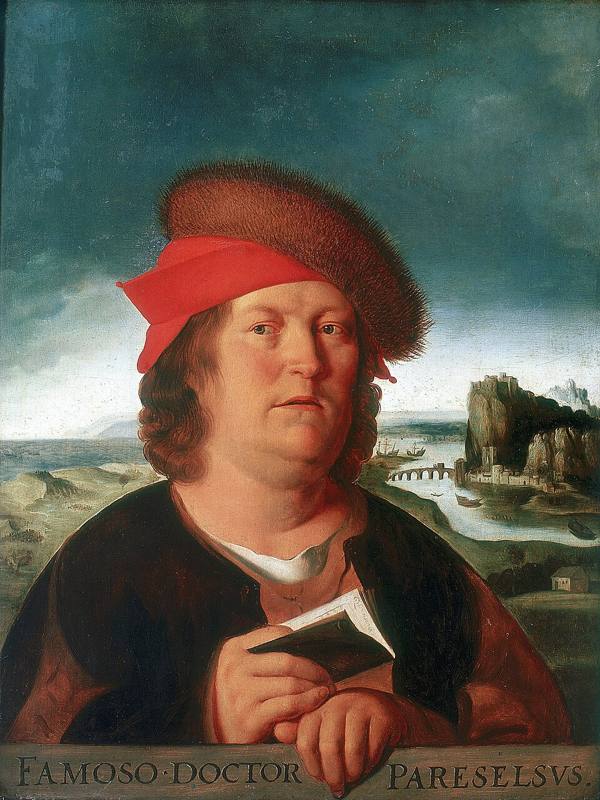 Same disease or problemc. 1527Paracelsus and chemical medicineParacelsus made laudanum from opium and taught that the dose makes the poison, and Sertürner made an exact dose possible. The Paracelsus story shows a rebel physician who burned Galen's books and argued for remedies made by chemistry.Read this moment
-
 Same disease or problem1971Naloxone approved as an opioid overdose antidoteCrude opium of uneven strength meant the same dose could do nothing or cause an overdose. Naloxone's story shows the first specific antidote for opioid overdose, now carried in ambulances and handed out in communities.Read this moment