Public Health
1803
The Balmis vaccine expedition
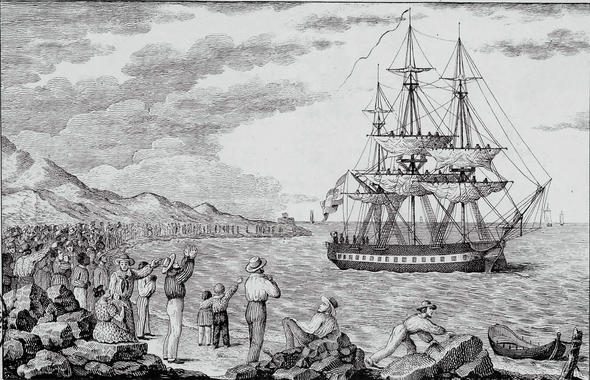
From 1803 to 1806 a Spanish royal expedition led by Francisco Xavier de Balmis carried live cowpox vaccine to the Americas and Asia in a chain of children vaccinated arm to arm, and set up permanent vaccination boards along the way.
Key people
- Francisco Xavier de Balmis
- Chamber surgeon to Carlos IV who directed the expedition
- Isabel Zendal
- Orphanage director who cared for the child carriers of the vaccine
- José Salvany
- Deputy director who led the South American branch until his death
- Francisco Oller
- Puerto Rico surgeon who vaccinated over 1,500 people before Balmis arrived
Source
Smallpox had repeatedly struck Spain's royal family. After it disfigured his daughter María Luisa Carlota, Carlos IV had the other royal children inoculated, and a decree of 30 November 1798 extended inoculation to his subjects. Jenner's cowpox vaccine followed quickly: Francisco Piguillem vaccinated in Puigcerdà on 3 December 1800. Francisco Xavier de Balmis (1753 to 1819), chamber surgeon to the king, persuaded Carlos IV to send the vaccine to the colonies in a human chain.
The corvette María Pita left La Coruña on 30 November 1803 with 22 orphan boys aged three to nine. Fluid from the cowpox sores of vaccinated boys was used to vaccinate the next ones, so the vaccine stayed alive at sea. Isabel Zendal, director of the Charity Orphanage in La Coruña, cared for them. After a month in Tenerife the ship reached San Juan, Puerto Rico, on 9 February 1804.
The expedition was not always first. In Puerto Rico the military surgeon Francisco Oller had already vaccinated more than 1,500 people with vaccine sent through the Danish island of St. Thomas, and vaccine had also reached Cuba, Yucatán, Guatemala and Mexico City before Balmis. In Venezuela he divided his team on 9 April 1804, sending his deputy José Salvany to South America, and on 23 April the Central Vaccination Board of Caracas was founded, the model for boards set up wherever the expedition went.
Salvany's party vaccinated more than 2,000 people in Cartagena de Indias and recorded 56,324 vaccinations by the time it left Bogotá in March 1805. Salvany lost his left eye on the way and died in Cochabamba in 1810. Balmis went on through Cuba and Mexico, left for Acapulco at the end of 1804 with two dozen Mexican children to carry the vaccine across the Pacific, and reached Manila on 16 April 1805. He took the vaccine on to Macao and Canton and to the island of St. Helena, landed at Lisbon on 14 August 1806, and was received by Carlos IV in Madrid on 7 September. The History of Vaccines project puts the number vaccinated by the expedition at about 500,000.
Keep exploring
 Read next · built on
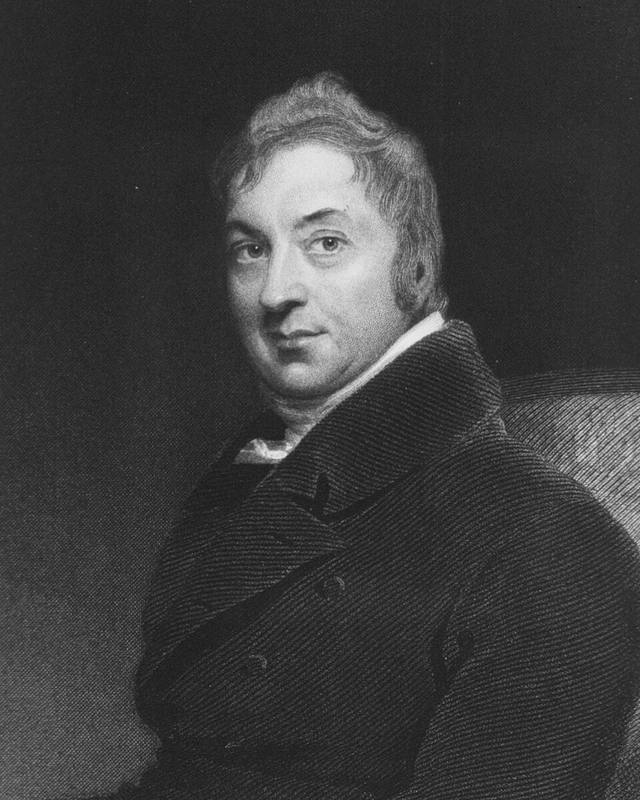
Jenner's smallpox vaccination (cowpox inoculation) (1796)
Balmis carried Jenner's cowpox vaccine, first tested in 1796, across the Spanish empire. Jenner's story shows how a boy given cowpox resisted smallpox, the first systematic test of vaccination.
Read this moment
Read next · built on
Jenner's smallpox vaccination (cowpox inoculation) (1796)
Balmis carried Jenner's cowpox vaccine, first tested in 1796, across the Spanish empire. Jenner's story shows how a boy given cowpox resisted smallpox, the first systematic test of vaccination.
Read this moment
 Today on The Clinical Times
Love to Dream recalls portable baby sound machine over fire and burn risk
Love to Dream has recalled its portable Sleep Machine because its lithium-ion battery can overheat while charging with an incompatible charger, creating a risk of fire and burns.
Read today’s top stories
Today on The Clinical Times
Love to Dream recalls portable baby sound machine over fire and burn risk
Love to Dream has recalled its portable Sleep Machine because its lithium-ion battery can overheat while charging with an incompatible charger, creating a risk of fire and burns.
Read today’s top stories
All 526 moments in the history of medicine. This one is in chapter 4, Germs, numbers and clean water
Connected moments
How this moment links to others in the history of medicine, and what you will find in each.
-
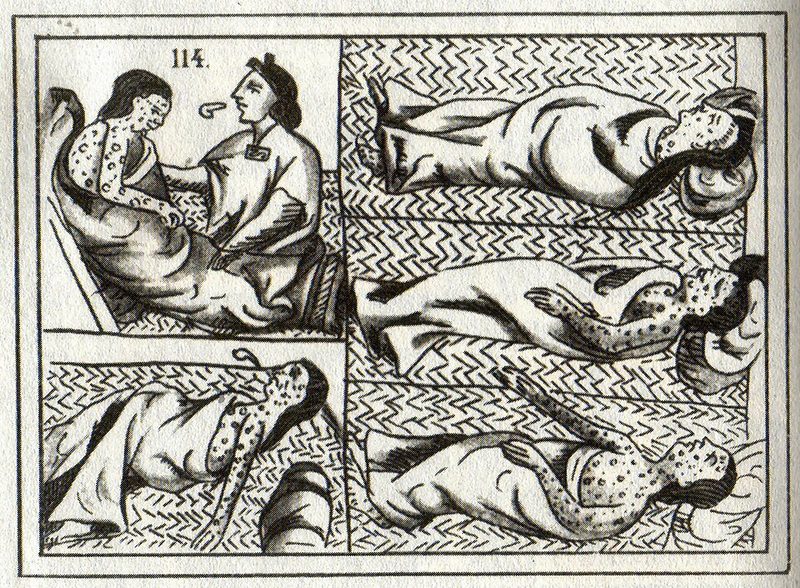 Same disease or problem1520Smallpox and the fall of TenochtitlanSmallpox had devastated Mexico in 1520, and in 1804 Balmis carried the vaccine through Mexico and on to Asia with Mexican children. The Tenochtitlan story shows the disease killing perhaps half the Aztec capital.Read this moment
-
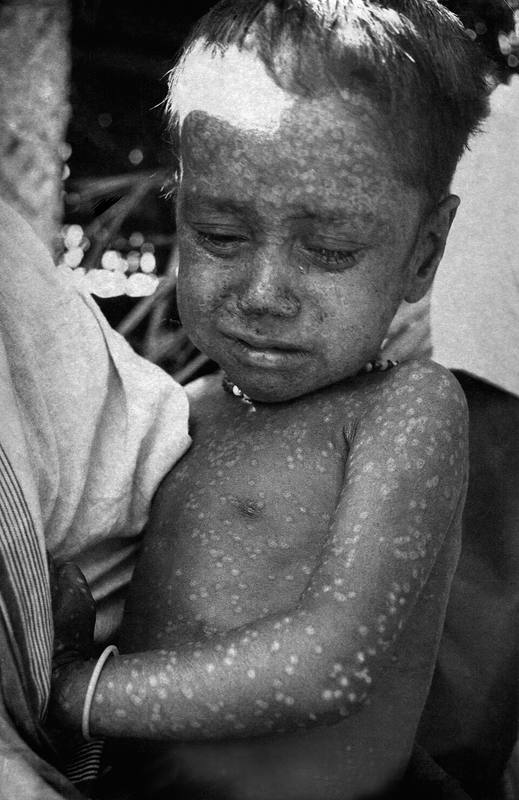 Same disease or problem1980Global Eradication of SmallpoxBalmis vaccinated about 500,000 people and set up permanent vaccination boards, and smallpox was finally declared eradicated in 1980. That story shows the surveillance and ring vaccination that finished the job.Read this moment
-
 Same disease or problem1974WHO Expanded Programme on Immunization (EPI) launchedBalmis tried to bring vaccine to children across an empire, and WHO's 1974 programme set out to vaccinate every child in the world. Its story shows about 154 million deaths averted in the 50 years since.Read this moment