Surgery & Anesthesia
1853
Alexander Wood's hypodermic syringe
In 1853 the Edinburgh physician Alexander Wood injected morphine under the skin near a painful nerve through a fine hollow needle fixed to a syringe. Charles Pravaz reported a similar device in France that year, and the method let doctors inject small, measured doses.
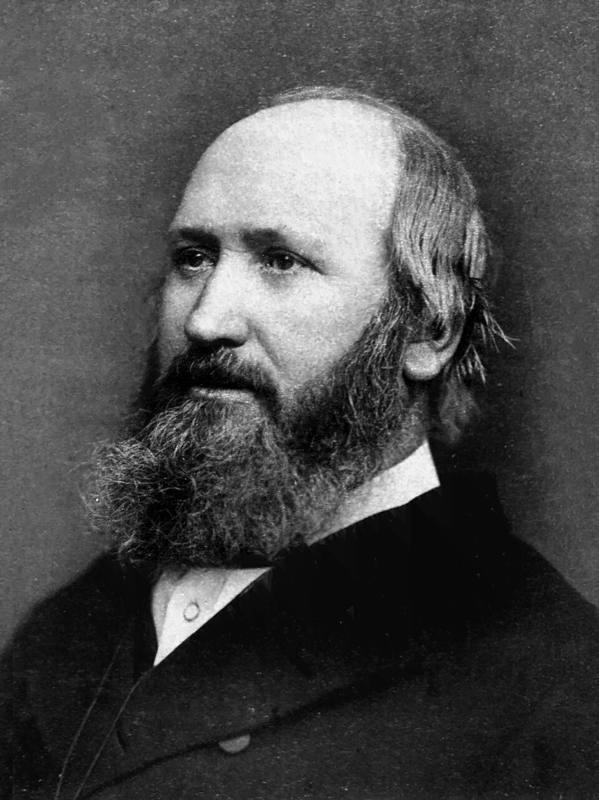
Key people
- Alexander Wood
- Edinburgh physician who injected morphine with a needle and syringe in 1853
- Charles Gabriel Pravaz
- French surgeon who reported a similar syringe the same year
Source
Morphine had been isolated early in the century, but for almost 50 years it was taken by mouth. Doctors who wanted to put a drug straight into the body had only large, crude needles attached to tubing.
Alexander Wood, a physician's son born in Fife in 1817, took his MD at Edinburgh in 1839, practised in the New Town, worked as physician to the Stockbridge and Royal Public dispensaries, and lectured at the city's extramural medical school. Stirred by James Young Simpson's experiments with anesthesia, he looked for a way to relieve pain in one spot. In 1853 he used a syringe with a fine hollow needle to inject morphine, dissolved in sherry, into the painful area of an 80-year-old woman with neuralgia.
That same year Charles Gabriel Pravaz, a French surgeon who had never been in contact with Wood, reported a similar instrument, and he died soon afterward. Wood described his method in the Edinburgh Medical and Surgical Journal in 1855. With the needle fixed to the syringe, doctors could now give smaller doses and measure them, and Wood's glass syringe with a plunger became popular in Britain; the University of Edinburgh notes that medical needles still follow the same design.
Years passed before the risk of infection from injections was understood and sterilization came into use. Wood was president of the Royal College of Physicians of Edinburgh from 1858 to 1861, after six years as its secretary, attacked homeopathy in print, and campaigned for sanitary reform and the registration of births. He died on 26 February 1884.
Keep exploring
 Read next · built on
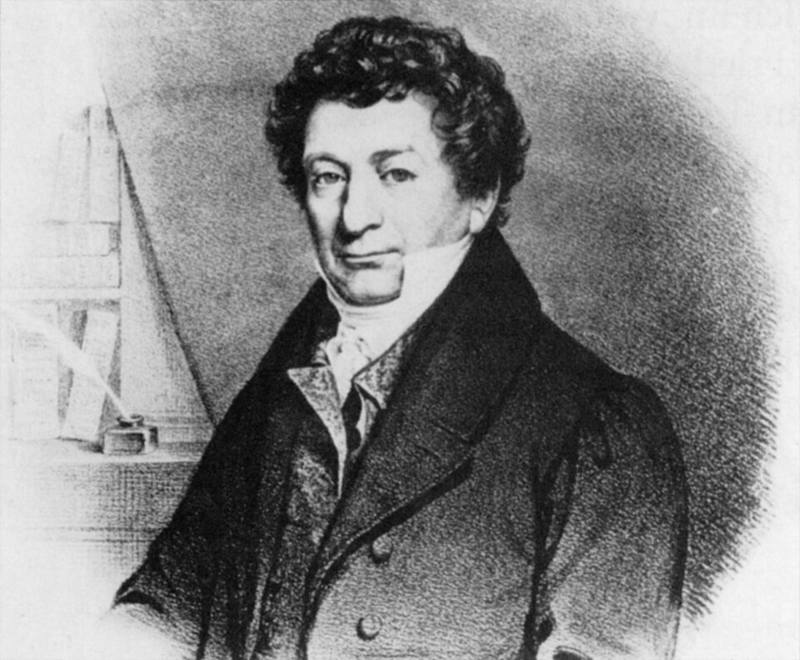
Sertürner's isolation of morphine (c. 1805)
Morphine had been isolated early in the century but was swallowed for almost 50 years, until Wood injected it. Sertürner's story shows the apprentice who drew the sleep inducing crystals out of opium.
Read this moment
Read next · built on
Sertürner's isolation of morphine (c. 1805)
Morphine had been isolated early in the century but was swallowed for almost 50 years, until Wood injected it. Sertürner's story shows the apprentice who drew the sleep inducing crystals out of opium.
Read this moment
 Today on The Clinical Times
Love to Dream recalls portable baby sound machine over fire and burn risk
Love to Dream has recalled its portable Sleep Machine because its lithium-ion battery can overheat while charging with an incompatible charger, creating a risk of fire and burns.
Read today’s top stories
Today on The Clinical Times
Love to Dream recalls portable baby sound machine over fire and burn risk
Love to Dream has recalled its portable Sleep Machine because its lithium-ion battery can overheat while charging with an incompatible charger, creating a risk of fire and burns.
Read today’s top stories
All 526 moments in the history of medicine. This one is in chapter 4, Germs, numbers and clean water
Connected moments
How this moment links to others in the history of medicine, and what you will find in each.
-
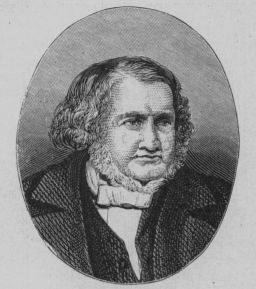 Built on1847Simpson's chloroform anesthesiaWood was stirred by James Young Simpson's anesthesia experiments to look for a way to relieve pain in one spot. Simpson's story shows the dining room trials that found chloroform in 1847.Read this moment
-
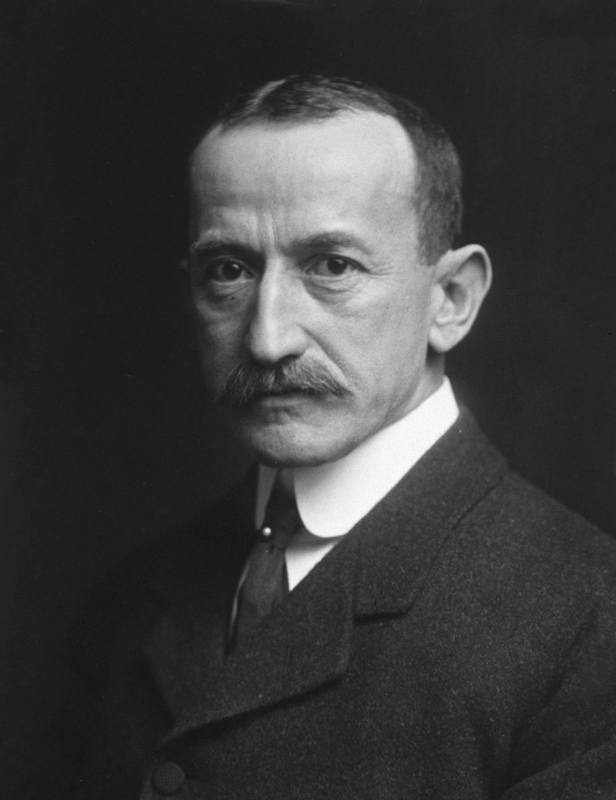 Same disease or problem1884Koller's cocaine local anesthesiaWood injected morphine to relieve pain in one spot, and Koller used cocaine to numb just one part of the body. Koller's story shows local anesthesia spreading within weeks to nerve blocks and spinal anesthesia.Read this moment