Surgery & Anesthesia
1884
Koller's cocaine local anesthesia
In 1884 Carl Koller, an ophthalmology intern in Vienna, showed that drops of cocaine solution made the cornea and conjunctiva insensible to pain. Reported that September, the method spread within weeks, and cocaine was soon used for nerve blocks and spinal anesthesia.
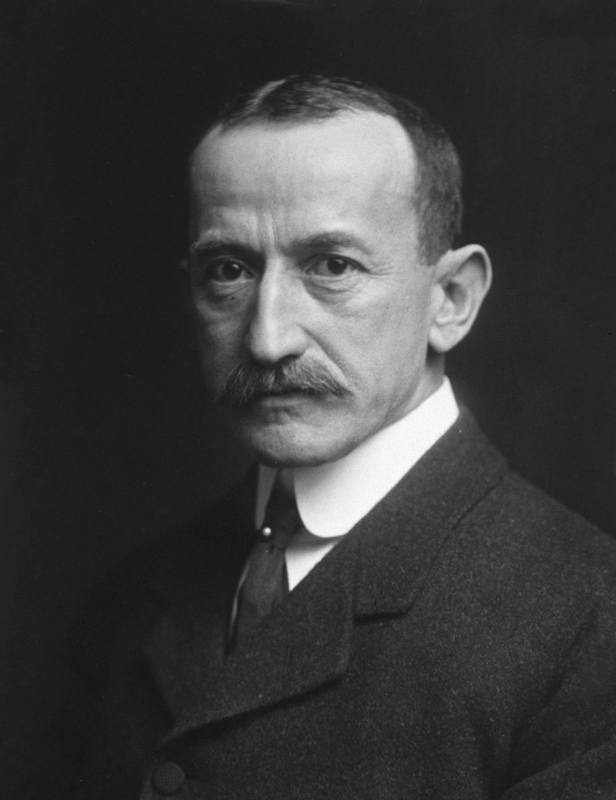
Key people
- Carl Koller
- Vienna ophthalmology intern who introduced cocaine as a local anesthetic
- Sigmund Freud
- Viennese neurologist whose 1884 Über Coca noted cocaine's numbing effect
- James Corning
- American neurologist who produced the first spinal anesthesia, 1885
Source
Cocaine had been isolated from coca leaves by the German chemist Albert Niemann, who published in 1860 and noticed that the crystals numbed his tongue. Suggestions that the drug might serve in surgery drew little interest. In the spring of 1884 the Viennese neurologist Sigmund Freud published Über Coca, a survey of the drug's effects that mentioned its numbing action only in its last paragraph; Freud hoped cocaine might cure morphine addiction.
Carl Koller, an intern in ophthalmology at Vienna's general hospital, had tried cocaine on himself with Freud. He knew that Schroff had reported in 1862 that it made the tip of the tongue and the throat insensible, and he asked whether it would do the same to other mucous membranes. He tested it in the eyes of animals, then in his own eyes and those of friends. A drop or two of a 2 percent solution of cocaine hydrochloride placed inside the lids made the conjunctiva and cornea insensible within moments, so that they could be touched or cut without pain. Animals given the drops did not blink when the cornea was touched.
The findings were announced at the congress of the Heidelberg Ophthalmological Society on 15 September 1884, and Koller's paper describing cocaine as a local anesthetic appeared on 18 September. He presented the work to the Medical Society of Vienna that October. Surgeons took it up for cataract extraction and iridectomy, and by October and November the Lancet was discussing it.
Other uses followed within months. William Halsted is credited with the first nerve blocks with cocaine, and in 1885 the American neurologist James Corning used it to produce the first spinal anesthesia. Halsted himself became addicted to the drug.
Keep exploring
 Read next · same person
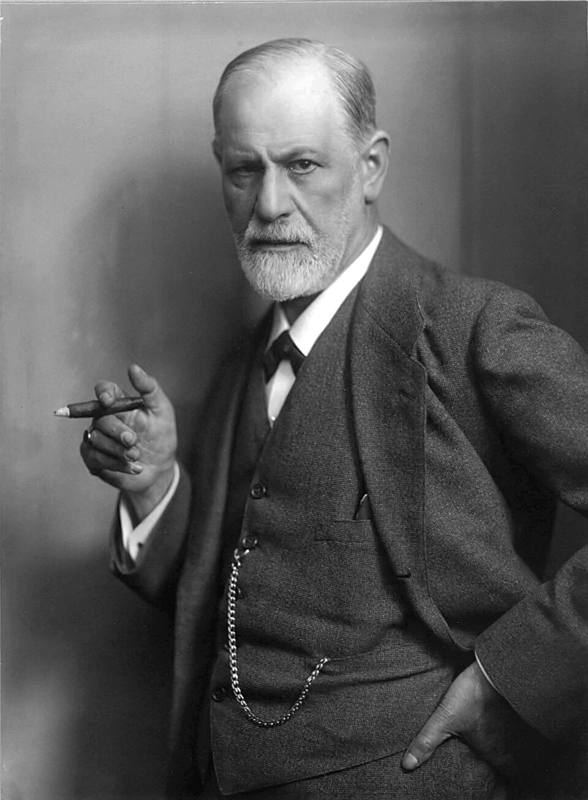
Freud's Interpretation of Dreams (1900)
Koller had tried cocaine on himself with Sigmund Freud, whose survey of the drug only mentioned its numbing effect. Freud's story shows him turning from neurology to the interpretation of dreams and psychoanalysis.
Read this moment
Read next · same person
Freud's Interpretation of Dreams (1900)
Koller had tried cocaine on himself with Sigmund Freud, whose survey of the drug only mentioned its numbing effect. Freud's story shows him turning from neurology to the interpretation of dreams and psychoanalysis.
Read this moment
 Today on The Clinical Times
Love to Dream recalls portable baby sound machine over fire and burn risk
Love to Dream has recalled its portable Sleep Machine because its lithium-ion battery can overheat while charging with an incompatible charger, creating a risk of fire and burns.
Read today’s top stories
Today on The Clinical Times
Love to Dream recalls portable baby sound machine over fire and burn risk
Love to Dream has recalled its portable Sleep Machine because its lithium-ion battery can overheat while charging with an incompatible charger, creating a risk of fire and burns.
Read today’s top stories
All 526 moments in the history of medicine. This one is in chapter 4, Germs, numbers and clean water
Connected moments
How this moment links to others in the history of medicine, and what you will find in each.
-
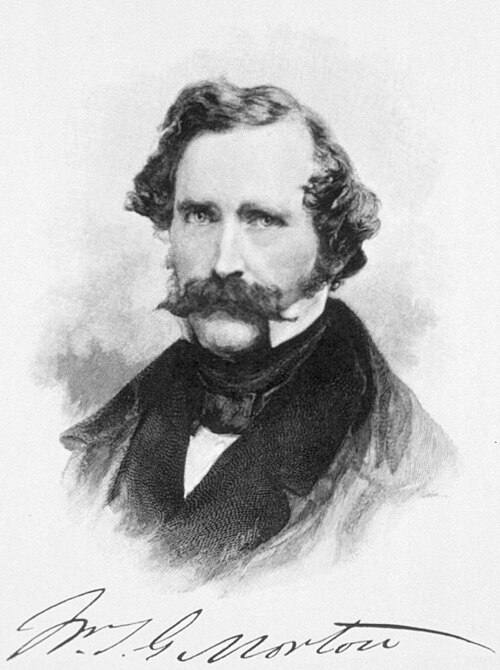 Same disease or problem1846The Ether Demonstration ("Ether Day")Ether put the whole patient to sleep, and Koller showed that cocaine could numb just the eye. The Ether Day story shows the Boston demonstration that made painless surgery possible in 1846.Read this moment
-
 Same disease or problemc. 100 BCEThe Sushruta SamhitaSurgeons took up Koller's drops for cataract operations, and the Sushruta Samhita had described couching for cataract two thousand years earlier. That story shows an ancient Indian surgical text that also rebuilt noses from cheek skin.Read this moment
-
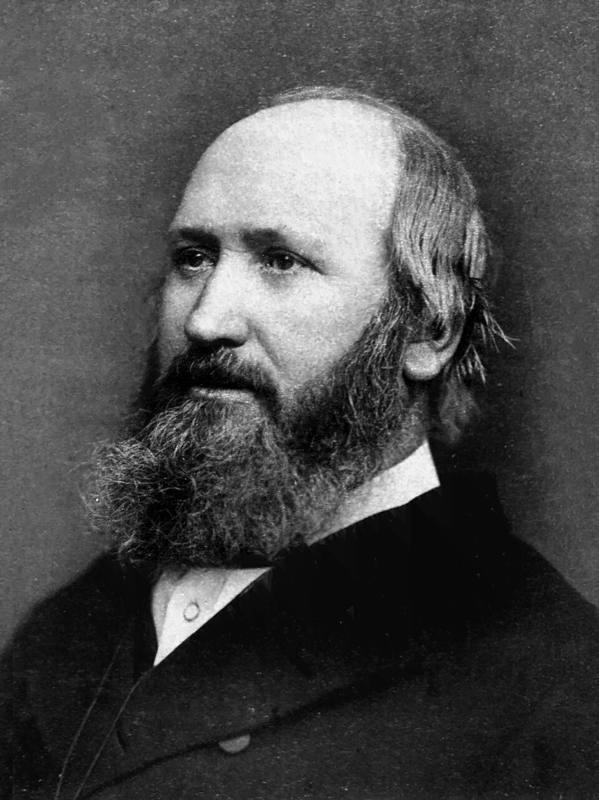 Same disease or problem1853Alexander Wood's hypodermic syringeBoth looked for ways to stop pain in one part of the body, Wood by injecting morphine near a nerve and Koller with cocaine drops. Wood's story shows the hollow needle and syringe that let doctors give small, measured doses.Read this moment