Research Methods & Ethics
1884
Takaki's navy diet trial against beriberi
In 1884 the Japanese naval surgeon Kanehiro Takaki sent a training ship over the route of an earlier voyage, with richer rations. Beriberi fell from 169 cases and 25 deaths to 14 cases and none, and the navy's diet reforms then ended the disease there.
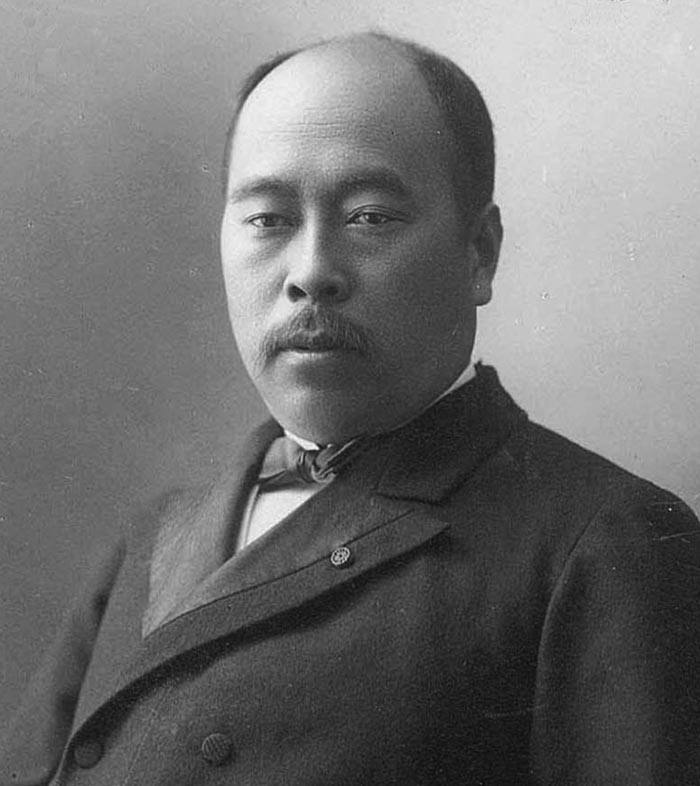
Key people
- Kanehiro Takaki
- Naval medical officer who reformed rations and compared two training voyages
- Ishiguro Tadanori
- Army Surgeon General, 1888 to 1897, prominent in opposing barley rations
Source
Kanehiro Takaki, born in 1849, entered St Thomas's Hospital Medical School in London in 1875 and studied there for five years. When he returned to Japan in 1880, about one in three members of the navy had beriberi. He noted that the disease was less common among wealthier people and that Western navies rarely saw it. Analysing naval meals, he found that sailors' rations held far less nitrogen relative to carbon than the diets of healthy adults, and that the poorest ratios almost always went with beriberi. He concluded that the rations lacked nitrogenous food, which would now be called protein.
The training ship Ryujo had left Shinagawa on 19 December 1882 for New Zealand, Chile, Peru and Hawaii, returning on 15 October 1883. Of its 376 crew, 169 developed beriberi and 25 died, and the ship had to stop in Hawaii, where the sick recovered once meat and vegetables were taken aboard.
Takaki persuaded officials to send the training ship Tsukuba over exactly the same route with a new menu richer in protein, including meat, bread, vegetables and condensed milk. The Tsukuba left Shinagawa on 3 February 1884 and returned on 16 November. Only 14 of the crew developed beriberi and none died, and those 14 had not eaten the new rations. The test compared two voyages in successive years, with the route held constant.
Many sailors disliked the Western food, and from April 1885 the navy mixed barley into its rice instead. Beriberi fell to 0.59 percent of the navy in 1885 and 0.04 percent in 1886, and then disappeared. Takaki became Navy Surgeon General in 1885, and in 1906 he described the two voyages in lectures at St Thomas's that were published in The Lancet.
His explanation was wrong. The missing factor was later identified as vitamin B1, which tends to rise with the protein in a diet, and in 1898 Christiaan Eijkman criticized Takaki's methods. The Japanese Army, whose medical leaders held that beriberi was an infection, kept white rice rations until March 1905. During the Russo-Japanese War of 1904 to 1905 an estimated 250,000 Japanese soldiers developed beriberi, and 27,000 of them died.
Keep exploring
 Read next · same disease or problem
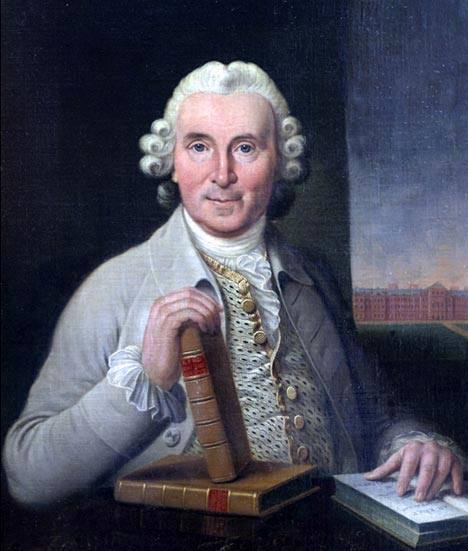
Lind's Scurvy Trial on HMS Salisbury (1747)
Both navy surgeons tested diet at sea against a deficiency disease, Takaki against beriberi and Lind against scurvy. Lind's story shows twelve sick sailors in six pairs, each pair given a different remedy.
Read this moment
Read next · same disease or problem
Lind's Scurvy Trial on HMS Salisbury (1747)
Both navy surgeons tested diet at sea against a deficiency disease, Takaki against beriberi and Lind against scurvy. Lind's story shows twelve sick sailors in six pairs, each pair given a different remedy.
Read this moment
 Today on The Clinical Times
Love to Dream recalls portable baby sound machine over fire and burn risk
Love to Dream has recalled its portable Sleep Machine because its lithium-ion battery can overheat while charging with an incompatible charger, creating a risk of fire and burns.
Read today’s top stories
Today on The Clinical Times
Love to Dream recalls portable baby sound machine over fire and burn risk
Love to Dream has recalled its portable Sleep Machine because its lithium-ion battery can overheat while charging with an incompatible charger, creating a risk of fire and burns.
Read today’s top stories
All 526 moments in the history of medicine. This one is in chapter 4, Germs, numbers and clean water
Connected moments
How this moment links to others in the history of medicine, and what you will find in each.
-
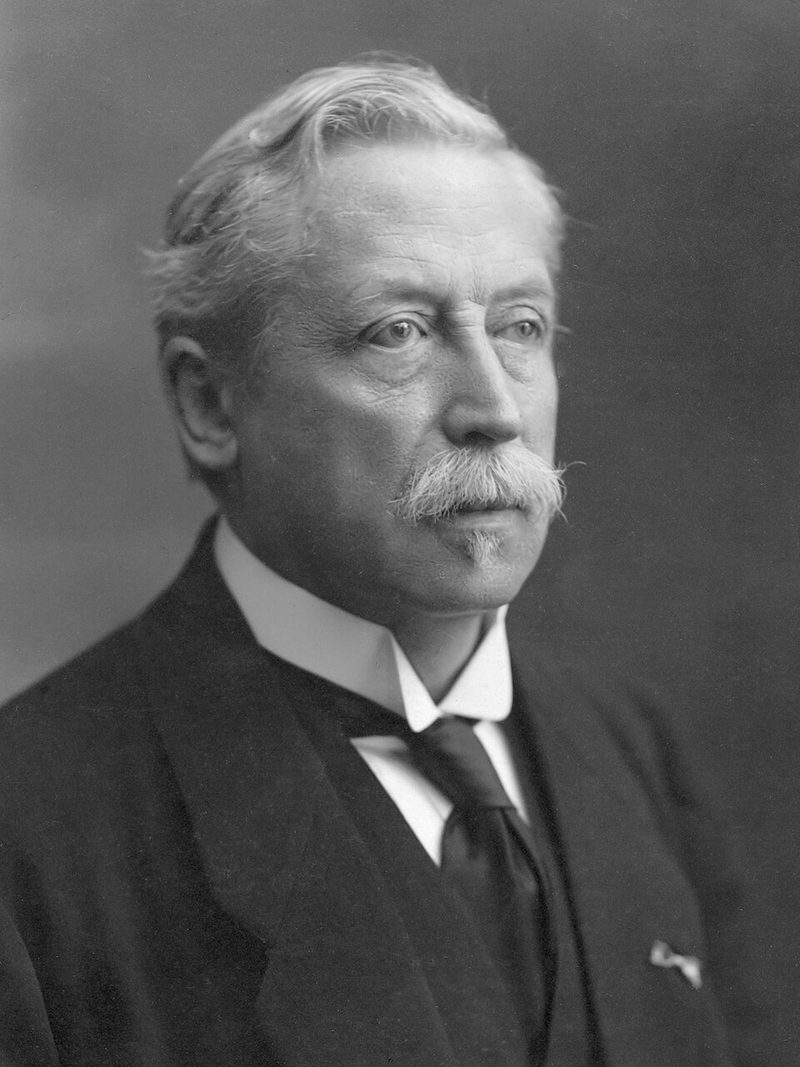 Same disease or problemc. 1890Eijkman's polished rice and beriberiTakaki blamed beriberi on too little protein, and Eijkman, who criticized his methods, traced it to polished rice. His story shows laboratory chickens falling ill on the hospital kitchen's rice and a survey of 101 Javanese prisons.Read this moment
-
 Same disease or problem1912Funk's vitamine (vital amine) hypothesisTakaki's explanation was wrong, and the missing factor turned out to be a vitamin. Funk's story shows the vitamine idea, that the lack of a distinct dietary factor causes each of beriberi, scurvy, pellagra and rickets.Read this moment