Infectious Disease
1884
The Gram stain
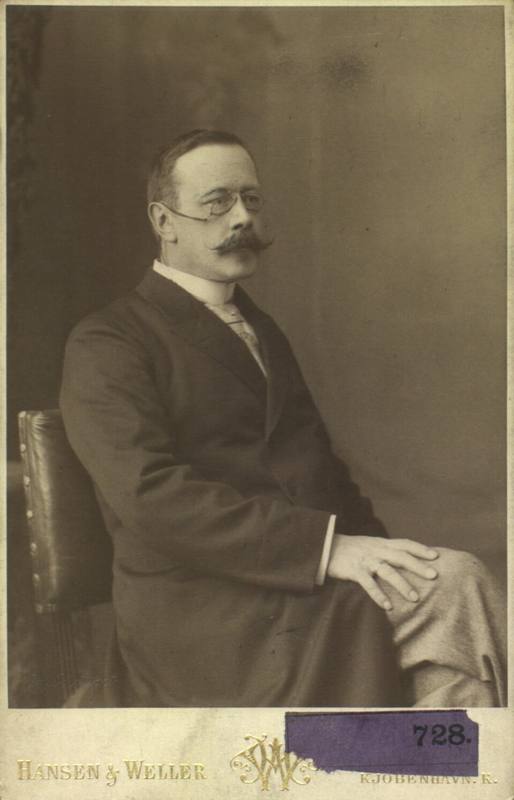
In 1884 the Danish physician Hans Christian Gram published a way to stain bacteria in tissue with gentian violet, iodine and alcohol. Bacteria that keep or lose the dye are still called gram-positive or gram-negative, and the stain remains a standard laboratory test.
Key people
- Hans Christian Gram
- Danish physician who devised the stain in Friedländer's Berlin laboratory
- Carl Friedländer
- Berlin pathologist studying pneumonia who first described Gram's technique
- Albert Fraenkel
- Argued from 1884 that a different coccus caused pneumonia
- Carl Weigert
- Added a safranin counterstain to the method in 1886
Source
In the early 1880s bacteria were hard to pick out in slices of diseased tissue, because the staining methods then in use colored cell nuclei, fibrin and bacteria alike. Hans Christian Gram, born in Copenhagen in 1853, took his medical degree there in 1878 and defended a doctoral thesis on the size of human red blood cells in 1883. He then travelled in Europe to study pharmacology and bacteriology, and in Berlin he joined the laboratory of the pathologist Carl Friedländer, who was studying the cause of pneumonia.
Gram stained tissue sections with aniline-gentian violet, treated them with a solution of iodine and potassium iodide, and then placed them in alcohol. The alcohol drew the dye out of the tissue cells while many bacteria stayed blue, and a weak solution of Bismarck brown could then color the tissue. Friedländer described the technique briefly in November 1883, and Gram published his own account in Fortschritte der Medicin on 15 March 1884. He called the method "defective and imperfect" and hoped it would still prove useful.
Gram meant only to make bacteria easier to see, but his paper also held the answer to a dispute over pneumonia. Friedländer blamed a capsulated organism he had grown, while from April 1884 Albert Fraenkel described a different coccus that killed rabbits. Gram examined lung sections from 20 fatal cases of lobar pneumonia. In 19 the organisms kept the violet dye. In the twentieth, the case that had supplied many of Friedländer's cultures, they lost it, as did the typhoid bacillus. Neither Gram nor Friedländer gave the finding weight at the time.
In 1886 Anton Weichselbaum separated the pneumococcus from Friedländer's organism in 129 fatal cases, and Friedländer then accepted that the coccus stained by Gram's method was the more frequent cause, while his own organism lost the stain. That year Carl Weigert added a safranin counterstain, which made the decolorized bacteria easier to see. Within a few years the method was used in work on typhoid, cholera and gonorrhea.
Gram never published on the stain again. He returned to Copenhagen, became professor of pharmacology in 1891 and professor of medicine in 1900, and died there on 14 November 1938. Laboratories still sort bacteria into gram-positive organisms, which hold the crystal violet and iodine complex after alcohol and look purple, and gram-negative ones, which lose it and appear pink.
Keep exploring
 Read next · led to
Yersin and the plague bacillus (1894)
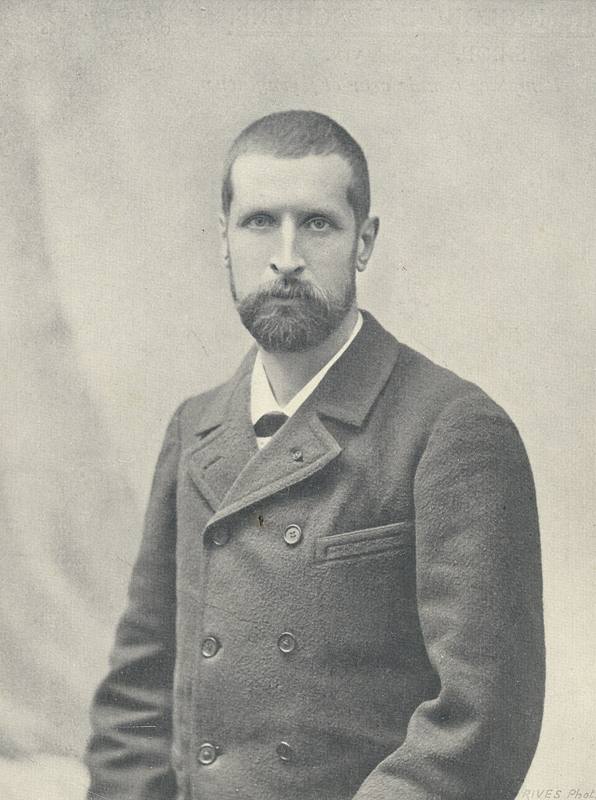
Yersin's plague bacillus did not stain by Gram's method, while Kitasato described his as gram positive, which raised doubts about Kitasato's germ. Yersin's story shows the plague bacillus found in Hong Kong in 1894.
Read this moment
Read next · led to
Yersin and the plague bacillus (1894)
Yersin's plague bacillus did not stain by Gram's method, while Kitasato described his as gram positive, which raised doubts about Kitasato's germ. Yersin's story shows the plague bacillus found in Hong Kong in 1894.
Read this moment
 Today on The Clinical Times
Love to Dream recalls portable baby sound machine over fire and burn risk
Love to Dream has recalled its portable Sleep Machine because its lithium-ion battery can overheat while charging with an incompatible charger, creating a risk of fire and burns.
Read today’s top stories
Today on The Clinical Times
Love to Dream recalls portable baby sound machine over fire and burn risk
Love to Dream has recalled its portable Sleep Machine because its lithium-ion battery can overheat while charging with an incompatible charger, creating a risk of fire and burns.
Read today’s top stories
All 526 moments in the history of medicine. This one is in chapter 4, Germs, numbers and clean water
Connected moments
How this moment links to others in the history of medicine, and what you will find in each.
-
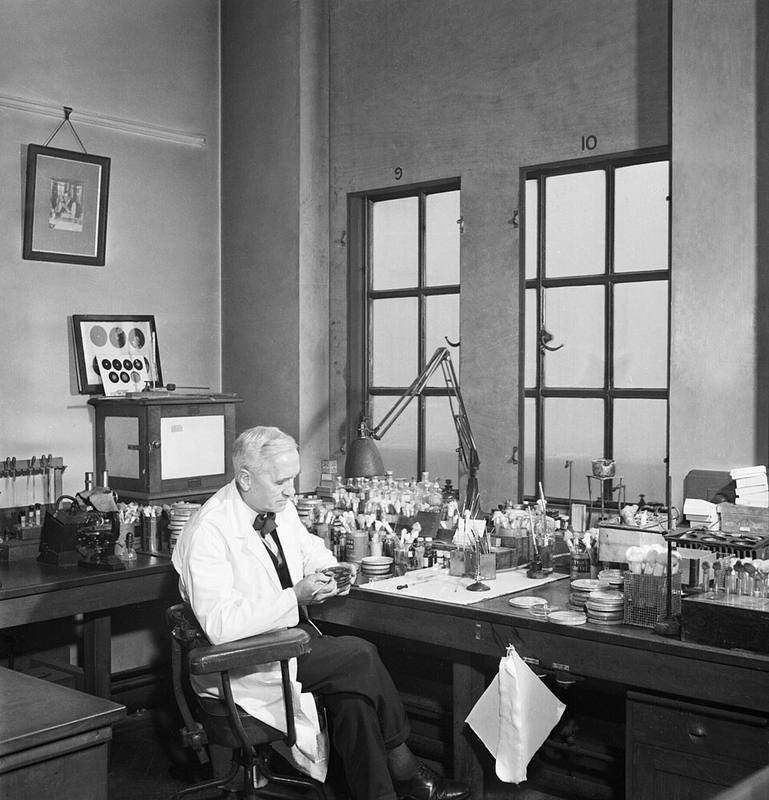 Led to1928Fleming's discovery of penicillinGram's stain sorted bacteria into two great groups, and Fleming found penicillin lethal to a range of gram positive ones. His story shows the stray mould on a plate that led to the first penicillin.Read this moment
-
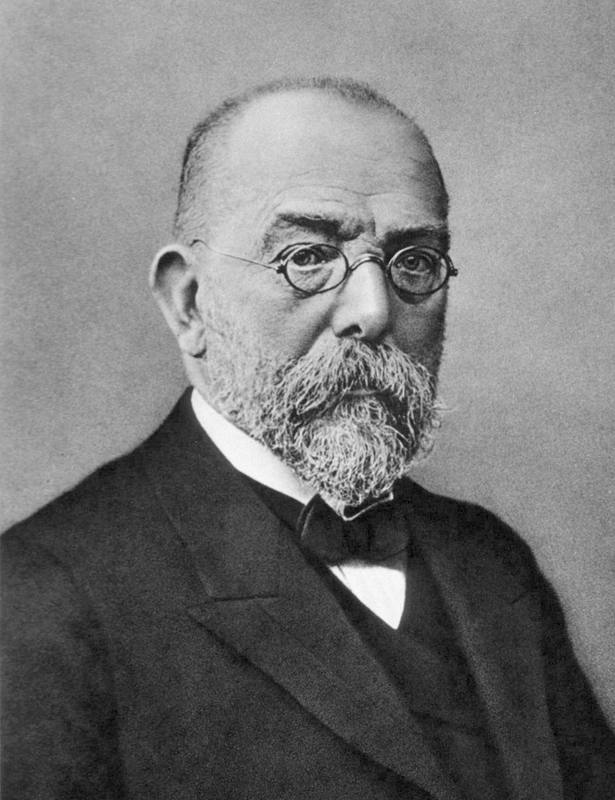 Same disease or problem1882Koch's Discovery of the Tubercle BacillusBoth depended on new stains to pick bacteria out of diseased tissue, Koch for tuberculosis and Gram for pneumonia. Koch's story shows the methylene blue method that revealed the tubercle bacillus.Read this moment