Infectious Disease
1885
Pasteur's rabies vaccine
On 6 July 1885 a nine-year-old bitten 14 times by a rabid dog began 13 injections of dried rabbit spinal cord from Louis Pasteur's laboratory and never developed rabies. By 1890 treatment centers operated from Budapest and Madras to São Paulo and Chicago.
Key people
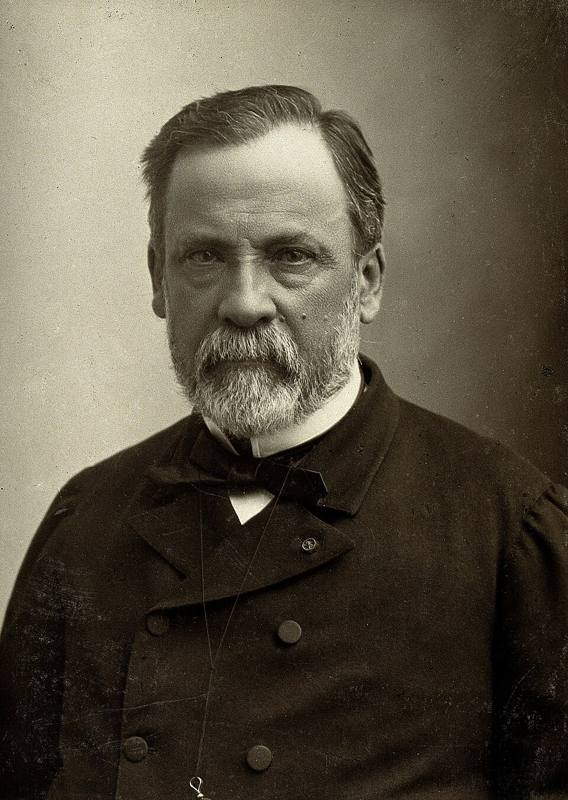
- Louis Pasteur
- Chemist whose laboratory developed the rabies vaccine from dried spinal cord
- Jacques Joseph Grancher
- Physician who gave Joseph Meister the injections
- Joseph Meister
- Nine-year-old from Alsace, the first person given the treatment
- Émile Roux
- Pasteur's collaborator on rabies, reluctant to treat a human
Source
Rabies was fatal and had no cure. Louis Pasteur took it up in 1880 because it struck animals as well as people, so he could experiment on them. The virus could not be seen with the microscopes of the day, so with Émile Roux he passed the disease from brain to brain, first in dogs and then in rabbits. Spinal cords from infected rabbits, hung to dry in flasks, lost their virulence as they dried, and dogs given a series of progressively fresher cords became resistant. By 1885 Pasteur had protected 50 dogs this way without a failure.
On Monday 6 July 1885 three people arrived at his laboratory from Alsace: a grocer, Théodore Vone, bitten on the arm two days earlier by his own dog, which had gone mad; Joseph Meister, aged nine, whom the same dog had knocked down and bitten on the hand, legs and thighs; and the boy's mother. The physicians Vulpian and Jacques Joseph Grancher counted 14 wounds on Joseph and judged that rabies was almost certain.
Pasteur was not a physician, and several of his collaborators, Roux among them, did not want to try the method on a person. Grancher gave the injections. At 8 in the evening, 60 hours after the bites, half a syringe of rabbit spinal cord that had dried for 15 days went under the skin of the boy's upper right abdomen. Over ten days he received 13 injections of ever fresher cord, ending with material that gave rabbits rabies within a week. Meister never fell ill.
The Académie des Sciences heard the case on 26 October 1885, along with the treatment Pasteur had just begun of Jean-Baptiste Jupille, a 15-year-old shepherd from the Jura bitten while fighting off a dog that attacked six younger boys. Bitten people then came from all over France and abroad, and the clinic set up for them grew into the Institut Pasteur, opened on 14 November 1888 after a public appeal.
By 1890 treatment centers were running in Budapest, Madras, Algiers, São Paulo, Shanghai, Chicago and New York, among other cities. CDC's centennial article noted that the old brain-tissue version still needed daily injections for 14 to 21 days and carried the same risk of neurological harm as in Pasteur's day.
Keep exploring
 Read next · same person
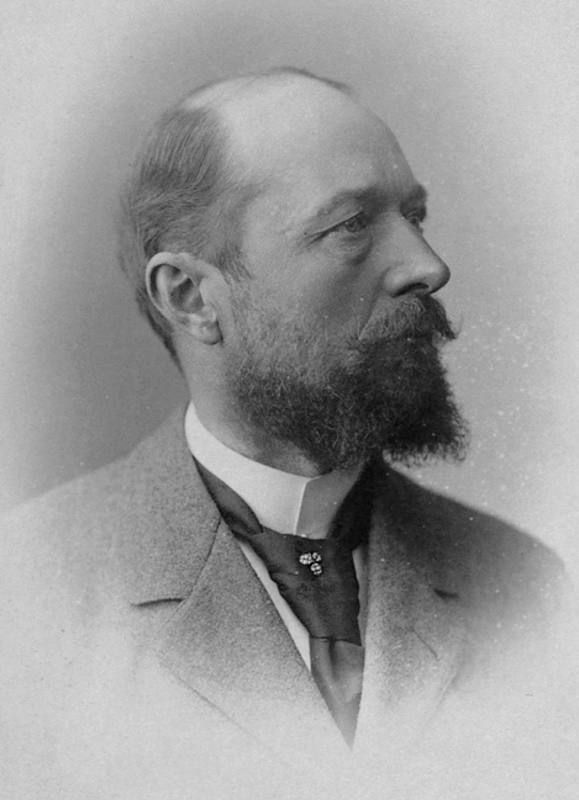
Behring and Kitasato's antitoxins (1890)
Émile Roux, who passed rabies from brain to brain with Pasteur, also showed that diphtheria did its harm through a toxin. The antitoxin story shows serum from immunized animals used to cure children with diphtheria.
Read this moment
Read next · same person
Behring and Kitasato's antitoxins (1890)
Émile Roux, who passed rabies from brain to brain with Pasteur, also showed that diphtheria did its harm through a toxin. The antitoxin story shows serum from immunized animals used to cure children with diphtheria.
Read this moment
 Today on The Clinical Times
Love to Dream recalls portable baby sound machine over fire and burn risk
Love to Dream has recalled its portable Sleep Machine because its lithium-ion battery can overheat while charging with an incompatible charger, creating a risk of fire and burns.
Read today’s top stories
Today on The Clinical Times
Love to Dream recalls portable baby sound machine over fire and burn risk
Love to Dream has recalled its portable Sleep Machine because its lithium-ion battery can overheat while charging with an incompatible charger, creating a risk of fire and burns.
Read today’s top stories
All 526 moments in the history of medicine. This one is in chapter 4, Germs, numbers and clean water
Connected moments
How this moment links to others in the history of medicine, and what you will find in each.
-
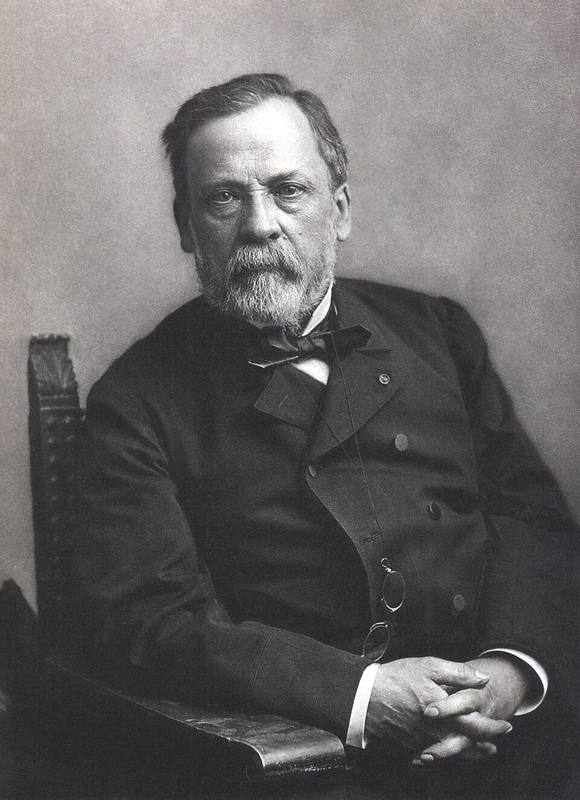 Same person1861Pasteur's refutation of spontaneous generationBefore rabies, Pasteur showed with swan neck flasks that microbes come only from other microbes. That story shows the experiment that led Lister to antiseptic surgery.Read this moment
-
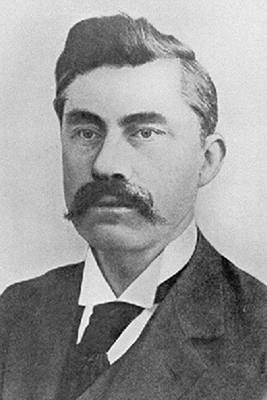 Same disease or problem1898Beijerinck's contagium vivum fluidumPasteur could not see the rabies agent with the microscopes of his day, and Beijerinck described such an invisible agent as a living fluid. His story shows the tobacco disease that passed through filters that stopped bacteria, the start of the idea of viruses.Read this moment
-
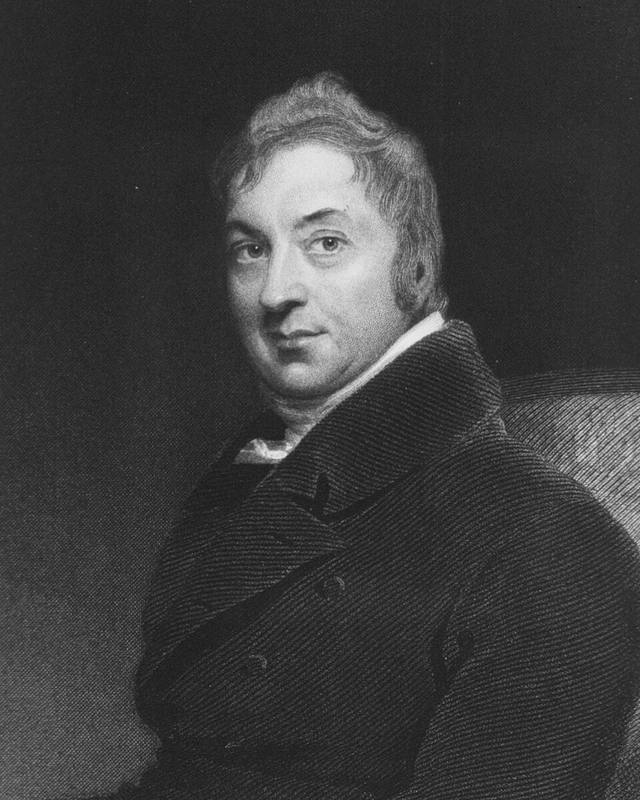 Same disease or problem1796Jenner's smallpox vaccination (cowpox inoculation)Pasteur protected a bitten boy with weakened rabbit spinal cord, and Jenner protected a boy with cowpox. Jenner's story shows the 1796 test that began vaccination.Read this moment