Public Health
1885
The Leicester anti-vaccination movement
After thousands of prosecutions for refusing infant vaccination, Leicester staged a mass protest in March 1885, stopped enforcing the law in 1886 and controlled smallpox mainly by notification, isolation and watching contacts. The town's defiance fed the 1898 conscience clause for objectors.
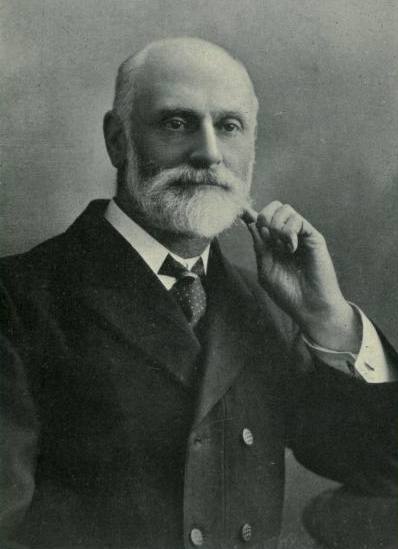
Key people
- J. T. Biggs
- Leicester Guardian and organizer of the 1885 demonstration
- J. Allanson Picton
- Leicester MP who raised the prosecutions in Parliament
- C. Killick Millard
- Leicester Medical Officer of Health; wrote on the Leicester method
Source
Leicester then ranked as a fairly well-vaccinated town: from 1868 to 1871 registered vaccinations equalled 87 per cent of births. In July 1868 the town appointed its first vaccination officer to enforce the law, and in January 1869 William Johnson chose 14 days in prison over a 20-shilling fine for refusing to vaccinate his child. An anti-vaccination league formed that year. Then smallpox in 1871 to 1872 killed 358 people in Leicester; the previous highest toll, in 1845, had been 164.
The Board of Guardians answered with more prosecutions, which rose from 2 in 1869 to 1,154 in 1881. Parents who were jailed, or whose goods were sold to pay fines, became martyrs. By the Guardians' later count, between 6,000 and 7,000 parents had been summoned by 1886, and 64 went to prison. In February 1885 the Leicester MP J. Allanson Picton told the Commons that more than 4,000 parents in the town faced prosecution.
On 23 March 1885 Leicester took a holiday for a national demonstration against the Vaccination Acts, with delegates from across the country. The movement's paper, the Vaccination Inquirer, counted some 700 banners. A hearse carried a child's coffin labelled another victim of vaccination, and an effigy of Jenner was hanged again and again along the route. The organizers put the crowd in the Market Place at 80,000 to 100,000. There J. T. Biggs, a Guardian, burned a copy of the Acts.
Opponents of compulsion won most seats at the Guardians' election of 1886, and on 4 May the new board voted 27 to 8 to end prosecutions. Vaccinations fell from 3,730 in 1873 to 332 in 1887, and by 1891 to under 2 per cent of births. The town relied instead on the Leicester method, introduced in 1877: prompt notification, removal of patients to an isolation hospital, and quarantine of contacts. Later, contacts were visited daily at home and given half pay while off work, and usually only the infected household and its visitors were advised to be vaccinated.
Smallpox was brought into the town 24 times in 1892 and 1893, and the outbreak ran to 355 cases and 21 deaths over 15 months. The Royal Commission on Vaccination, which Picton had moved for in 1889, reported in 1896 in favour of vaccination but recommended exempting conscientious objectors, as the Vaccination Act of 1898 did. In 1914 C. Killick Millard, Leicester's Medical Officer of Health and a believer in vaccination, cited the town's experience in calling for compulsory infant vaccination to be reconsidered.
Keep exploring
 Read next · same disease or problem
Global Eradication of Smallpox (1980)
Leicester controlled smallpox by notification, isolation and watching contacts, and eradication later combined surveillance and containment with ring vaccination. That story shows the disease finally declared gone in 1980.
Read this moment
Read next · same disease or problem
Global Eradication of Smallpox (1980)
Leicester controlled smallpox by notification, isolation and watching contacts, and eradication later combined surveillance and containment with ring vaccination. That story shows the disease finally declared gone in 1980.
Read this moment
 Today on The Clinical Times
Love to Dream recalls portable baby sound machine over fire and burn risk
Love to Dream has recalled its portable Sleep Machine because its lithium-ion battery can overheat while charging with an incompatible charger, creating a risk of fire and burns.
Read today’s top stories
Today on The Clinical Times
Love to Dream recalls portable baby sound machine over fire and burn risk
Love to Dream has recalled its portable Sleep Machine because its lithium-ion battery can overheat while charging with an incompatible charger, creating a risk of fire and burns.
Read today’s top stories
All 526 moments in the history of medicine. This one is in chapter 4, Germs, numbers and clean water
Connected moments
How this moment links to others in the history of medicine, and what you will find in each.
- Built on1853The Vaccination Act of 1853Leicester's protest was against the Vaccination Acts that made infant vaccination compulsory from 1853. The act's story shows the certificates, registers and fines that enforced it.Read this moment
-
 Same disease or problem1998Wakefield's retracted MMR paperLeicester's crowds carried a coffin labelled another victim of vaccination, and a century later a retracted paper fed new fears. The Wakefield story shows falling MMR uptake blamed for British measles outbreaks.Read this moment
-
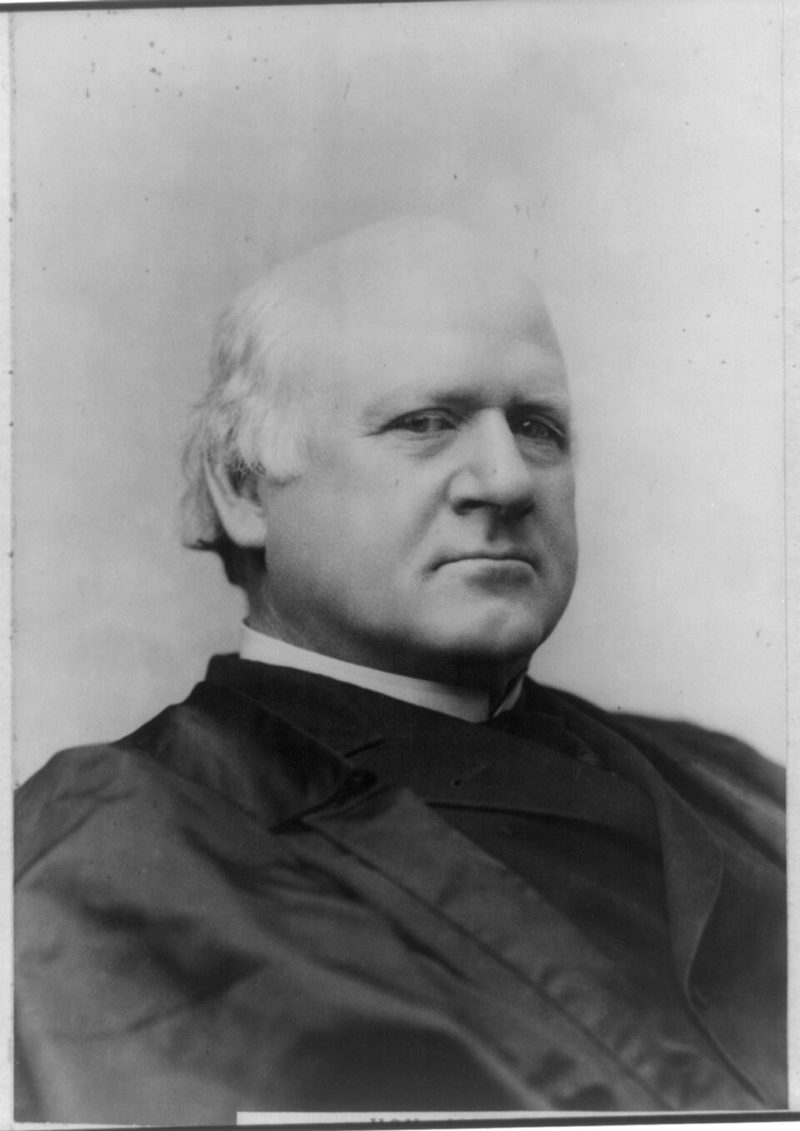 Same disease or problem1905Jacobson v. MassachusettsLeicester fought compulsory vaccination in the streets, and Jacobson fought it in the US Supreme Court. His story shows the Court upholding a $5 fine for refusing vaccination during an epidemic.Read this moment