Public Health
1887
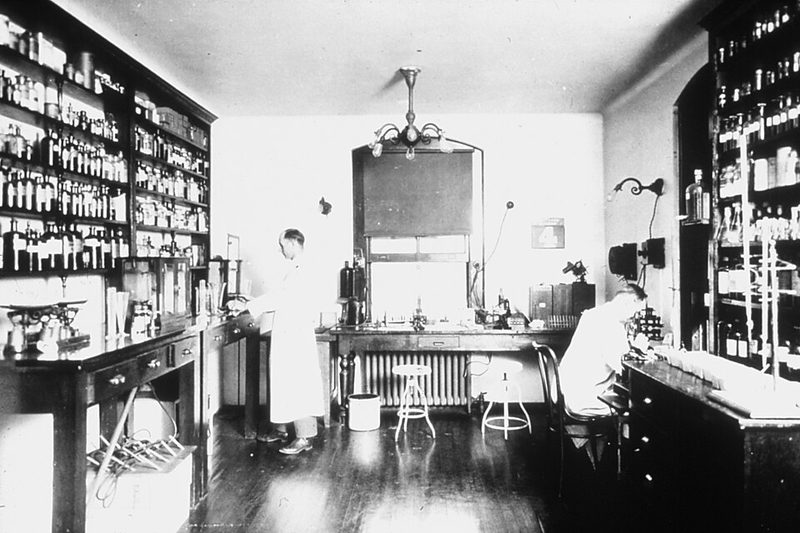
The Hygienic Laboratory, forerunner of the NIH
In August 1887 the US Marine Hospital Service let Joseph Kinyoun set up a one-room bacteriology laboratory at its hospital on Staten Island. Renamed the National Institute of Health in 1930, it is the origin of today's National Institutes of Health.
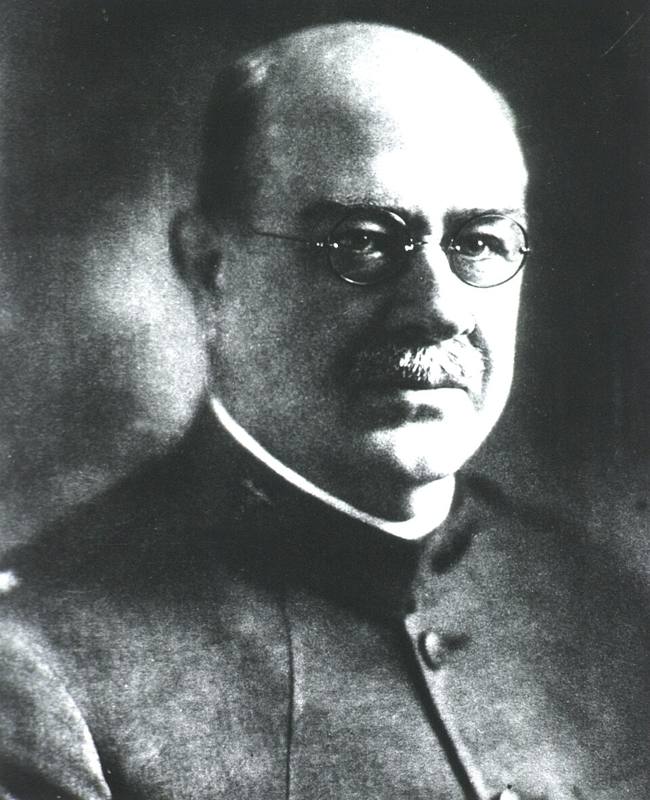
Key people
- Joseph J. Kinyoun
- Founder and director of the Hygienic Laboratory, 1887 to 1899
- Ida Bengtson
- First woman bacteriologist hired by the laboratory, in 1916
- Joseph E. Ransdell
- Louisiana senator whose 1930 act renamed it the National Institute of Health
Source
In the 1880s Congress charged the Marine Hospital Service, which ran hospitals for merchant seamen, with examining passengers on arriving ships for signs of infectious disease, above all cholera and yellow fever. European scientists were at the same time tying particular microbes to particular diseases, and in 1884 Robert Koch described the comma-shaped bacterium of cholera.
In 1887 the service authorized Joseph J. Kinyoun, a young physician who had done postgraduate work in Europe under Koch, to set up a one-room laboratory in the attic of its Marine Hospital at Stapleton, Staten Island. He called it a laboratory of hygiene, after German models, to show that its purpose was the public's health. The NIH dates the founding to August 1887. Within a few months Kinyoun had identified the cholera bacillus in suspected cases and showed it to colleagues under his Zeiss microscope, confirming their clinical diagnoses.
In 1891 the Hygienic Laboratory, as it came to be called, moved to Washington, D.C., near the Capitol. For the next decade Kinyoun was its only full-time staff member. He trained the service's officers in bacteriology and tested water purity and air pollution for the District of Columbia and Congress, and he directed the laboratory until April 1899. In 1901 Congress authorized $35,000 for a new building in which the laboratory could investigate infectious and contagious diseases and matters of public health. The NIH's own history treats that line in a routine supplemental appropriations act as its founding legislation.
The Biologics Control Act of 1902 made the laboratory responsible for regulating vaccines and antitoxins. A 1912 act, which renamed its parent agency the Public Health Service, allowed it to study noncontagious diseases and the pollution of streams and lakes. In 1916 its director, George McCoy, hired Ida Bengtson, its first woman bacteriologist.
The Ransdell Act of 1930 renamed the Hygienic Laboratory the National Institute of Health and authorized fellowships for research into basic biological and medical problems. The National Cancer Institute followed in 1937, and the move to a new campus in Bethesda, Maryland, began in 1938.
Keep exploring
 Read next · built on
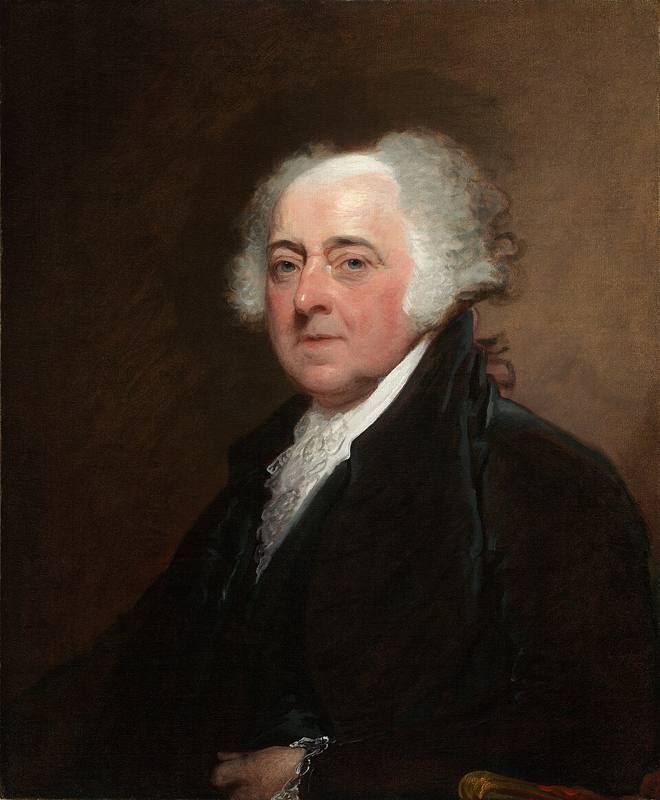
The Act for the Relief of Sick and Disabled Seamen (1798)
The laboratory began inside the Marine Hospital Service created by the 1798 act for sick seamen. That story shows sailors' wages taxed twenty cents a month to build marine hospitals.
Read this moment
Read next · built on
The Act for the Relief of Sick and Disabled Seamen (1798)
The laboratory began inside the Marine Hospital Service created by the 1798 act for sick seamen. That story shows sailors' wages taxed twenty cents a month to build marine hospitals.
Read this moment
 Today on The Clinical Times
Love to Dream recalls portable baby sound machine over fire and burn risk
Love to Dream has recalled its portable Sleep Machine because its lithium-ion battery can overheat while charging with an incompatible charger, creating a risk of fire and burns.
Read today’s top stories
Today on The Clinical Times
Love to Dream recalls portable baby sound machine over fire and burn risk
Love to Dream has recalled its portable Sleep Machine because its lithium-ion battery can overheat while charging with an incompatible charger, creating a risk of fire and burns.
Read today’s top stories
All 526 moments in the history of medicine. This one is in chapter 4, Germs, numbers and clean water
Connected moments
How this moment links to others in the history of medicine, and what you will find in each.
-
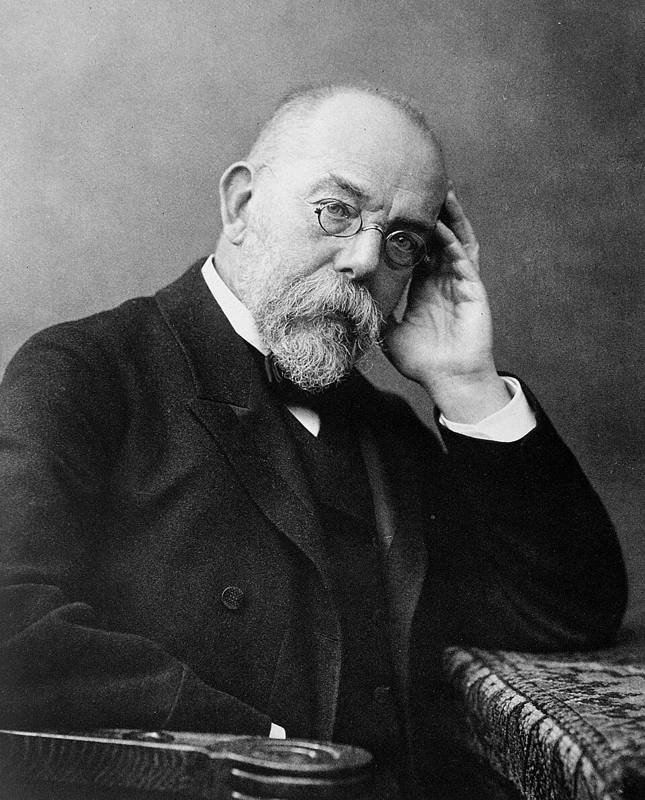 Built on1883Koch's identification of the cholera bacillusKinyoun, trained under Koch, used Koch's methods to identify the cholera bacillus in suspected cases within months. Koch's story shows how he found the comma shaped germ in Egypt and Calcutta.Read this moment
-
 Led to1902The Biologics Control Act of 1902The Biologics Control Act of 1902 made the laboratory responsible for regulating vaccines and antitoxins. That story shows the law passed after contaminated antitoxin and vaccine killed children.Read this moment