Public Health
1902
The Biologics Control Act of 1902
After contaminated diphtheria antitoxin killed 13 children in St. Louis and contaminated smallpox vaccine killed 9 in Camden in 1901, Congress passed the Biologics Control Act. It gave the federal government its first control over how vaccines, serums and antitoxins were made.
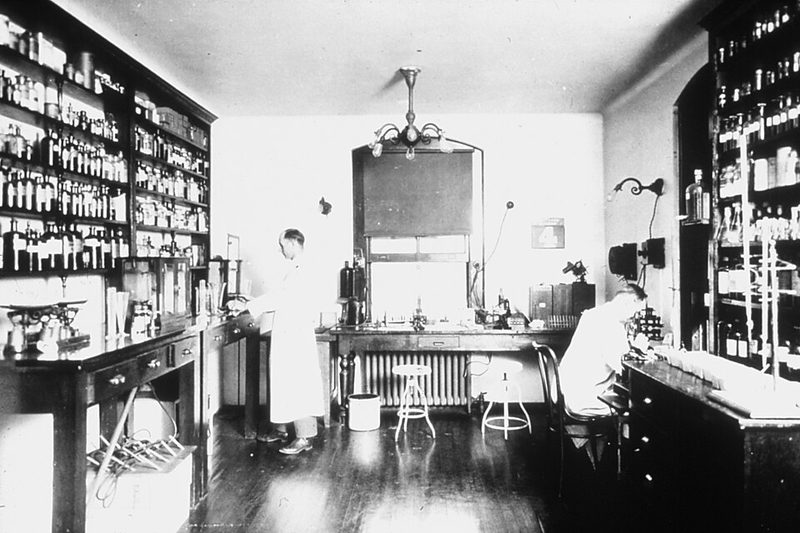
By 1895 diphtheria antitoxin was being made from horse serum in the United States, first by the New York City Board of Health and the Hygienic Laboratory of the Marine Hospital Service and soon by commercial firms that also sold smallpox vaccine, among them Parke, Davis and Co. and Mulford. Local makers worked without any central or uniform controls.
In St. Louis the Board of Health drew serum from a retired milk-wagon horse named Jim that had tetanus. By late 1901, 13 children given the diphtheria antitoxin made from it had died of tetanus. That same year nine children in Camden, New Jersey, died of tetanus after receiving contaminated smallpox vaccine. Both disasters drew wide public attention.
Congress answered with the Biologics Control Act, also called the Virus-Toxin Law, which became law on 1 July 1902. It gave the government its first control over the processes used to make biological products. Regulations effective on 21 August 1903 required makers of vaccines, serums and antitoxins to hold a license renewed every year, to open their plants to inspection and to work under a qualified scientist, and licenses could be suspended or revoked. Labels had to give the product's name, an expiration date, and the maker's address and license number. The Secretary of the Treasury issued the licenses, foreign makers could apply, and by 1903 thirteen had been granted, two of them to organizations in France and Germany. Licenses 1 and 2 went to Parke, Davis of Detroit and H. K. Mulford of Philadelphia.
The Federal Food and Drugs Act of 1906 made no mention of biological products. After the Food, Drug, and Cosmetic Act of 1938, provisions of both the 1902 and 1938 laws were used to regulate them. In 2002 the FDA's Center for Biologics Evaluation and Research marked 100 years of biologics regulation with a symposium and an exhibit at the Smithsonian's National Museum of American History.
Keep exploring
 Read next · built on
Behring and Kitasato's antitoxins (1890)
Diphtheria antitoxin, the serum Behring and Kitasato discovered, killed children in St Louis when made from a horse with tetanus. Their story shows how antitoxin serum first saved children with diphtheria.
Read this moment
Read next · built on
Behring and Kitasato's antitoxins (1890)
Diphtheria antitoxin, the serum Behring and Kitasato discovered, killed children in St Louis when made from a horse with tetanus. Their story shows how antitoxin serum first saved children with diphtheria.
Read this moment
 Today on The Clinical Times
Love to Dream recalls portable baby sound machine over fire and burn risk
Love to Dream has recalled its portable Sleep Machine because its lithium-ion battery can overheat while charging with an incompatible charger, creating a risk of fire and burns.
Read today’s top stories
Today on The Clinical Times
Love to Dream recalls portable baby sound machine over fire and burn risk
Love to Dream has recalled its portable Sleep Machine because its lithium-ion battery can overheat while charging with an incompatible charger, creating a risk of fire and burns.
Read today’s top stories
All 526 moments in the history of medicine. This one is in chapter 5, Cures and codes
Connected moments
How this moment links to others in the history of medicine, and what you will find in each.
-
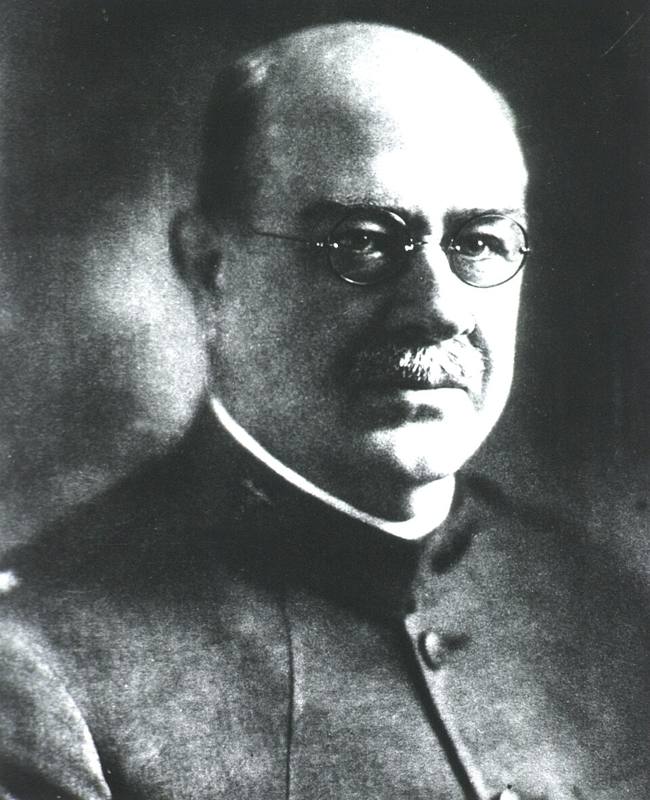 Built on1887The Hygienic Laboratory, forerunner of the NIHThe Hygienic Laboratory made some of the first American antitoxin and was then given the job of regulating biologics. Its story shows how Kinyoun's one room laboratory grew into the NIH.Read this moment
-
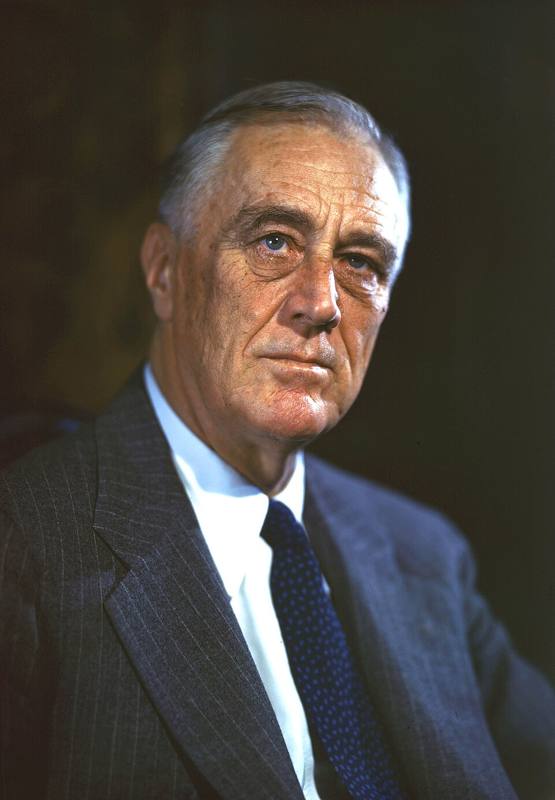 Led to1938Federal Food, Drug, and Cosmetic Act of 1938After 1938 both the Biologics Control Act and the new drug law were used to regulate vaccines and serums. The 1938 story shows the law passed after a poisoned medicine killed more than a hundred people.Read this moment
-
 Same disease or problem1906Pure Food and Drug Act of 1906The 1902 act controlled vaccines and serums, and four years later Congress turned to food and drugs. That story shows the Pure Food and Drug Act, pushed through after a novel exposed the meatpacking industry.Read this moment