Foundational Discovery
1902
Portier, Richet and the discovery of anaphylaxis
In 1902 Paul Portier and Charles Richet found that dogs that survived a small dose of sea anemone toxin could be killed weeks later by a second small dose. Richet named the reaction anaphylaxis and won the 1913 Nobel Prize for his work on it.
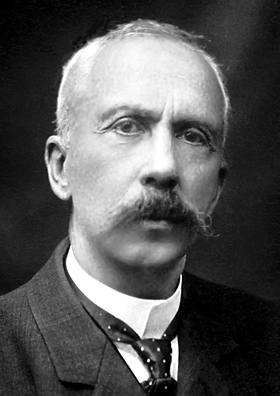
Key people
- Charles Richet
- Paris professor of physiology who named anaphylaxis; Nobel laureate 1913
- Paul Portier
- Sorbonne physiology assistant and co-discoverer
- Albert I of Monaco
- Prince who invited both men aboard the Princesse Alice II
Source
Sailors on Prince Albert I of Monaco's research yachts who brushed against the Portuguese man-of-war, Physalia physalis, felt a pain sharp enough to make some of them faint. The prince suspected a venom. For his Atlantic cruise of summer 1901 aboard the Princesse Alice II he invited two Paris physiologists to find it: Charles Richet, professor at the Faculty of Medicine, and Paul Portier, an assistant in physiology at the Sorbonne. Off the Cape Verde Islands in July they ground Physalia specimens with sand and seawater, filtered the mixture and injected it into pigeons and guinea pigs, which sank into deep anesthesia.
Whether repeated small doses at long intervals would make an animal immune could not be tested at sea, so in Paris they switched to an extract of sea anemones (Actinia) and injected dogs. A dog named Neptune survived an injection of 0.10 cc per kilogram, below the 0.15 cc that killed normal dogs; 22 days later the same dose killed him in 25 minutes. A dose that was only a fraction of the lethal amount for an untreated dog could kill a sensitized one within minutes, yet two doses given together or a few days apart did nothing.
Richet called the state anaphylaxis, the opposite of phylaxis, or protection. The two men reported it in two short papers in the Comptes rendus of the Société de biologie, the first from its meeting of 15 February 1902. Portier soon went back to the Faculty of Sciences. Richet carried on alone.
Over the next decade Richet showed that the reaction was specific to the substance that caused it, needed an incubation period, and could be passed to an untreated animal with serum from a sensitized one. The symptoms were much the same whatever the protein: falling blood pressure, labored breathing, low body temperature and loss of higher brain function. Milk, egg white, fish, oysters and pollen could all sensitize. His 1912 monograph L'Anaphylaxie collected the work.
Richet alone received the 1913 Nobel Prize in Physiology or Medicine for his work on anaphylaxis. By then, his Nobel biography says, more than 4,000 papers on it had been published. Portier's share in the discovery was recognized only gradually. Richet died in Paris on 4 December 1935, Portier in Bourg-la-Reine on 26 January 1962.
Keep exploring
 Read next · led to
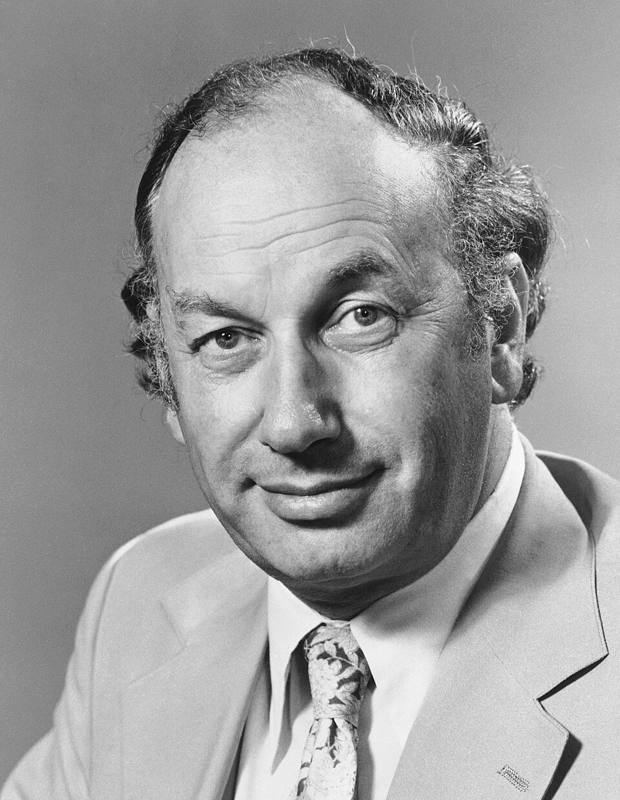
Vane and how aspirin works (1971)
Vane's route to how aspirin works began with a substance released from guinea pig lungs during anaphylaxis. His story shows aspirin blocking the making of prostaglandins.
Read this moment
Read next · led to
Vane and how aspirin works (1971)
Vane's route to how aspirin works began with a substance released from guinea pig lungs during anaphylaxis. His story shows aspirin blocking the making of prostaglandins.
Read this moment
 Today on The Clinical Times
Love to Dream recalls portable baby sound machine over fire and burn risk
Love to Dream has recalled its portable Sleep Machine because its lithium-ion battery can overheat while charging with an incompatible charger, creating a risk of fire and burns.
Read today’s top stories
Today on The Clinical Times
Love to Dream recalls portable baby sound machine over fire and burn risk
Love to Dream has recalled its portable Sleep Machine because its lithium-ion battery can overheat while charging with an incompatible charger, creating a risk of fire and burns.
Read today’s top stories
All 526 moments in the history of medicine. This one is in chapter 5, Cures and codes
Connected moments
How this moment links to others in the history of medicine, and what you will find in each.
-
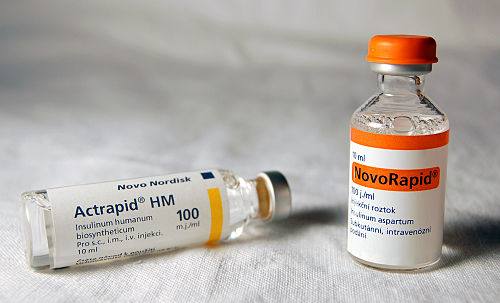 Same disease or problem1982Recombinant Human Insulin (Humulin) ApprovalRichet showed that animals could be sensitized to foreign proteins, and patients on animal insulin sometimes developed allergic reactions. The Humulin story shows human insulin made by engineered bacteria to replace it.Read this moment
-
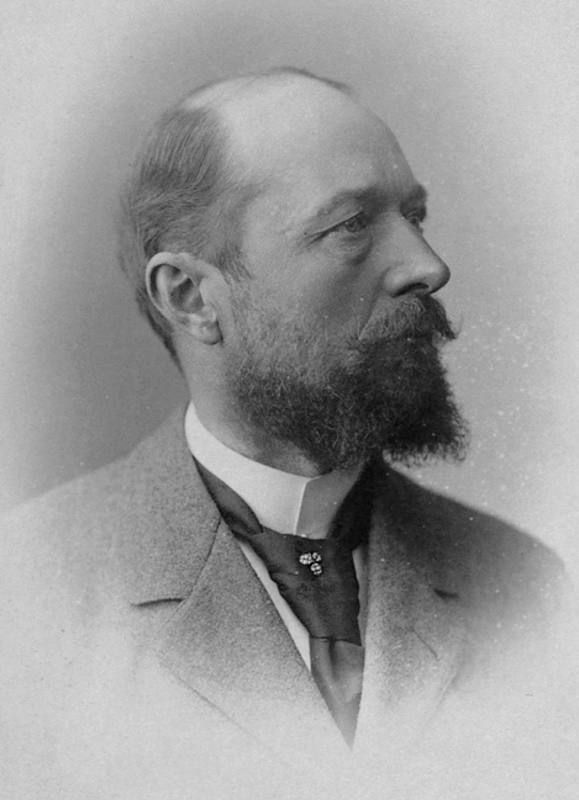 Same disease or problem1890Behring and Kitasato's antitoxinsRichet found that sensitivity could be passed in serum, as Behring and Kitasato had found for immunity. Their story shows serum from immunized animals used to cure children with diphtheria.Read this moment