Foundational Discovery
1971
Vane and how aspirin works
In 1971 the London pharmacologist John Vane showed that aspirin and indomethacin block the making of prostaglandins. It explained for the first time both the benefits and the side effects of aspirin-like drugs, and won him a share of the 1982 Nobel Prize.
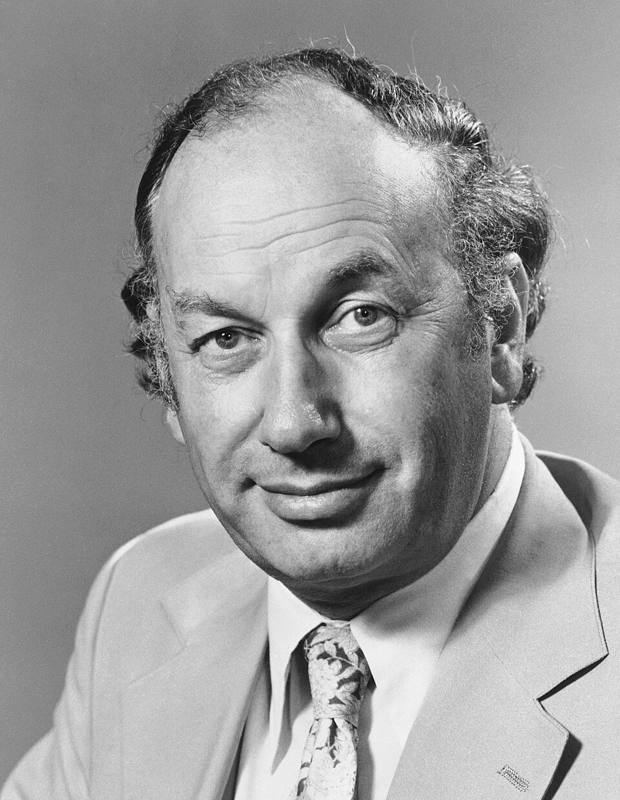
Key people
- John R. Vane
- Pharmacologist at the Royal College of Surgeons; Nobel laureate 1982
- Priscilla Piper
- Colleague who co-discovered rabbit aorta contracting substance
- Sergio Ferreira
- Colleague who showed the effect in the spleen
Source
Aspirin tablets went on sale in 1900 and were used for decades against fever, pain and inflammation with no agreed idea of how they worked. In the test tube aspirin inhibited many enzymes, but only at high concentrations, so none of those effects could be tied to its anti-inflammatory, fever-lowering or pain-relieving action.
John Vane, a pharmacologist at the Institute of Basic Medical Sciences of the Royal College of Surgeons of England in London, measured hormones with a cascade bioassay, in which blood or perfusion fluid flowed over strips of animal tissue that contracted or relaxed in response. With Priscilla Piper he had found an unstable substance released from guinea pig lungs during anaphylaxis, rabbit aorta contracting substance, whose release aspirin blocked. Around 1970, in anesthetized dogs that were overventilated, he saw that an infusion of aspirin lessened the fall in blood pressure and strongly inhibited the release of prostaglandins from the lungs.
Over a weekend he formed the idea that aspirin stopped prostaglandins being made. On the Monday he told Sergio Ferreira and Piper that he thought he knew how aspirin worked. Using a method described by Änggård and Samuelsson, he homogenized guinea pig lungs, spun off the cell debris, added arachidonic acid to the fluid in test tubes, and measured the prostaglandins formed. By evening he was convinced that aspirin and indomethacin, but not morphine, strongly inhibited their formation. Ferreira and Moncada found the same in the spleen, and Smith and Willis, working independently, in platelets. All three studies were published together in 1971.
Vane proposed that this block was the basis of the drugs' therapeutic action, and it accounted for their side effects too. The enzyme involved is the cyclooxygenase, or COX. Later work showed that aspirin permanently acetylates COX in platelets and stops them making thromboxane A2, which explains its antithrombotic effect; 75 to 100 mg a day is enough.
Vane moved in 1973 to the Wellcome Foundation as director of research and development, and in 1976 his group discovered prostacyclin. He shared the 1982 Nobel Prize in Physiology or Medicine with Sune Bergström and Bengt Samuelsson for their discoveries concerning prostaglandins.
Keep exploring
 Read next · built on
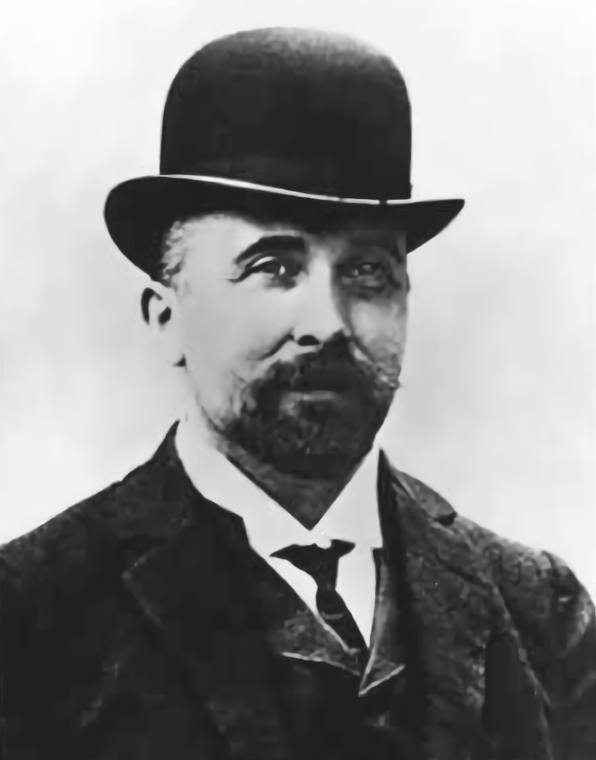
Introduction of aspirin (1899)
Aspirin had been sold since 1899 with no agreed idea of how it worked until Vane showed it blocks prostaglandins. The 1899 entry shows how Bayer made a salicylate for pain and fever that was easier on the stomach.
Read this moment
Read next · built on
Introduction of aspirin (1899)
Aspirin had been sold since 1899 with no agreed idea of how it worked until Vane showed it blocks prostaglandins. The 1899 entry shows how Bayer made a salicylate for pain and fever that was easier on the stomach.
Read this moment
 Today on The Clinical Times
Love to Dream recalls portable baby sound machine over fire and burn risk
Love to Dream has recalled its portable Sleep Machine because its lithium-ion battery can overheat while charging with an incompatible charger, creating a risk of fire and burns.
Read today’s top stories
Today on The Clinical Times
Love to Dream recalls portable baby sound machine over fire and burn risk
Love to Dream has recalled its portable Sleep Machine because its lithium-ion battery can overheat while charging with an incompatible charger, creating a risk of fire and burns.
Read today’s top stories
All 526 moments in the history of medicine. This one is in chapter 6, Trials, scanners and rights
Connected moments
How this moment links to others in the history of medicine, and what you will find in each.
-
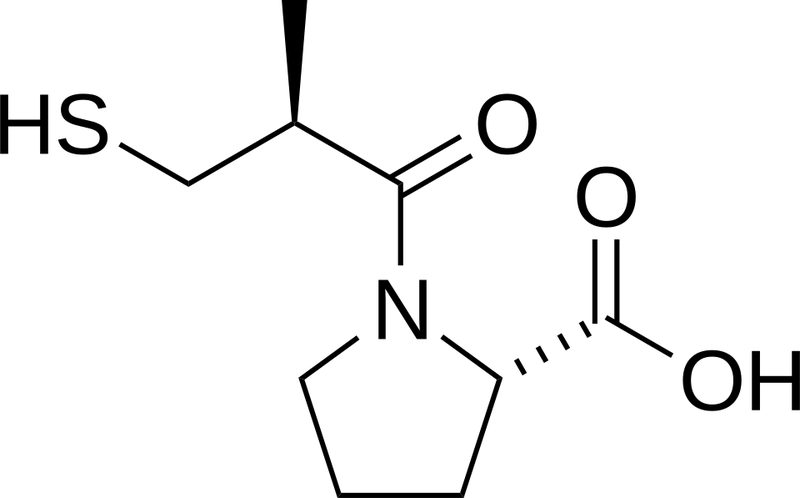 Same person1981Captopril, the first ACE inhibitorSergio Ferreira, who worked with Vane on aspirin, also helped show in Vane's lab that snake venom peptides block ACE. The captopril entry shows how that finding led to the first oral ACE inhibitor.Read this moment
-
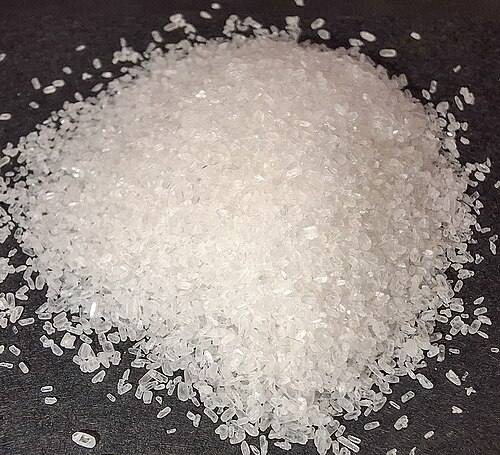 Same disease or problem1988ISIS-2 (Second International Study of Infarct Survival)Vane's work explained that aspirin stops platelets making thromboxane, which is why low doses prevent clots. ISIS-2 shows the trial that put aspirin into routine heart attack care.Read this moment
- Same disease or problem1982Reye's syndrome and the aspirin warningVane's discovery explained aspirin's side effects as well as its benefits, and Reye's syndrome in children was a feared harm linked to the drug. That entry shows how warnings against aspirin for children with flu cut cases from hundreds to a few dozen.Read this moment