Epidemiology
1982
Reye's syndrome and the aspirin warning
State case-control studies linked Reye's syndrome in children to aspirin taken during flu or chickenpox. After a Surgeon General's advisory in 1982 and warning labels required from 1986, reported US cases fell from 555 in 1980 to no more than 36 a year from 1987.
Key people
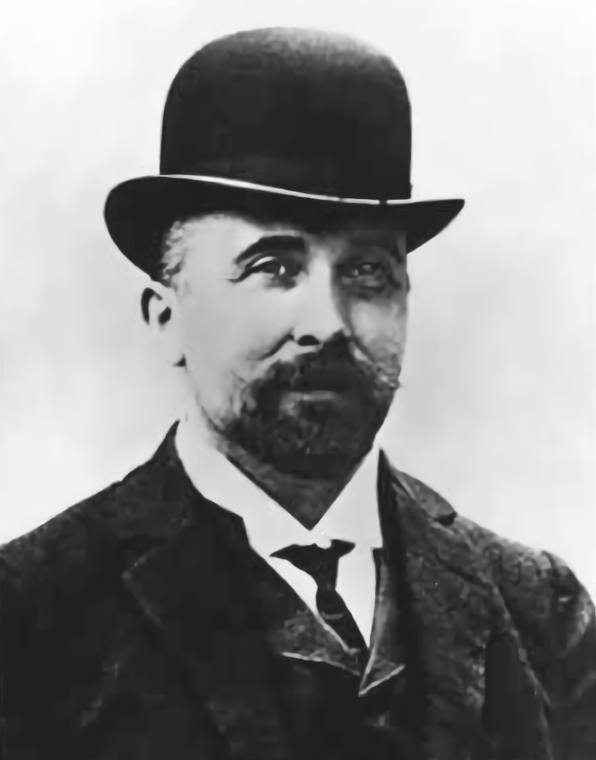
- R. D. Reye
- First author of the 1963 Lancet description of the syndrome
Source
In 1963 R. D. Reye, G. Morgan and J. Baral described in the Lancet an illness of children combining encephalopathy with fatty degeneration of the viscera. Reye syndrome began with vomiting and lethargy and could progress to delirium and coma, most often in a child recovering from a viral infection, particularly influenza or chickenpox. In 1982 the CDC estimated 600 to 1,200 cases a year in the United States, with death in 20 to 30 percent of reported cases and brain damage in some survivors.
Case-control studies by state health departments in Arizona, Michigan and Ohio found an association between the syndrome and salicylates such as aspirin taken during the illness before it. In one Michigan study all 12 patients had taken a salicylate product, compared with 12 of 29 matched controls. In February 1982 the CDC advised physicians and parents of the possible risk, and the American Academy of Pediatrics advised in June that salicylates be avoided in children with influenza or chickenpox. An FDA working group audited the raw data from the Michigan and Ohio studies, and a public meeting held by the FDA, CDC and National Institutes of Health on 24 May 1982 agreed that the new analysis supported the association.
On 11 June 1982 the MMWR published the Surgeon General's advice against giving salicylates to children with influenza or chickenpox. Doubts about the methods of the state studies led the Secretary of Health and Human Services to set up a Public Health Service task force study. Its main phase, run from January 1985 to May 1986, compared 27 patients with 140 matched controls and found an odds ratio of 40 for salicylate use.
Since 1986 the labels of all aspirin-containing medicines in the United States have had to warn of the risk. National surveillance recorded a peak of 555 cases in children in 1980 and no more than 36 a year from 1987. Of 1,207 cases reported from December 1980 to November 1997, 31 percent were fatal.
Keep exploring
 Read next · built on
Introduction of aspirin (1899)
The Reye's warnings targeted aspirin, the salicylate sold since 1899 for pain and fever. The aspirin entry shows how Bayer made the drug in a pure, stable form easier on the stomach.
Read this moment
Read next · built on
Introduction of aspirin (1899)
The Reye's warnings targeted aspirin, the salicylate sold since 1899 for pain and fever. The aspirin entry shows how Bayer made the drug in a pure, stable form easier on the stomach.
Read this moment
 Today on The Clinical Times
Love to Dream recalls portable baby sound machine over fire and burn risk
Love to Dream has recalled its portable Sleep Machine because its lithium-ion battery can overheat while charging with an incompatible charger, creating a risk of fire and burns.
Read today’s top stories
Today on The Clinical Times
Love to Dream recalls portable baby sound machine over fire and burn risk
Love to Dream has recalled its portable Sleep Machine because its lithium-ion battery can overheat while charging with an incompatible charger, creating a risk of fire and burns.
Read today’s top stories
All 526 moments in the history of medicine. This one is in chapter 6, Trials, scanners and rights
Connected moments
How this moment links to others in the history of medicine, and what you will find in each.
-
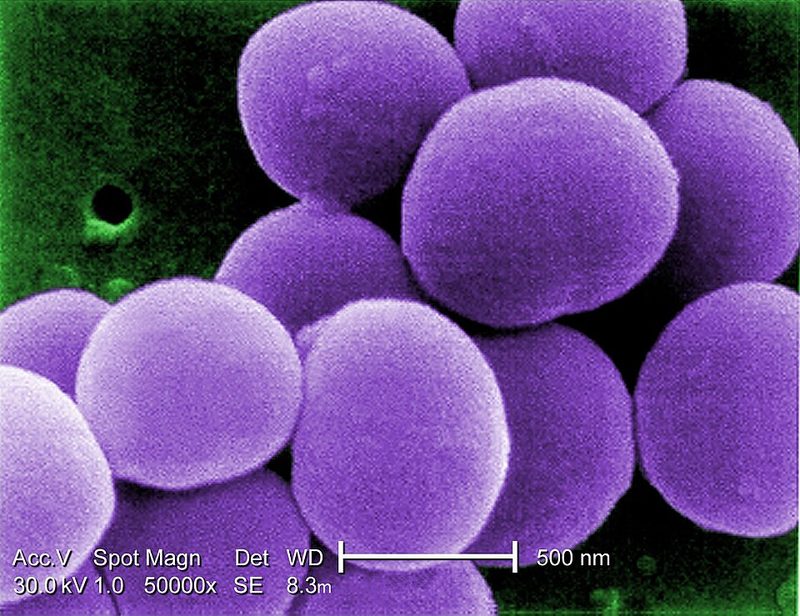 Same disease or problem1980Toxic shock syndrome and tamponsBoth used quick case-control studies to tie a syndrome to an everyday product, then saw cases fall after warnings. The toxic shock entry shows a tampon withdrawn in 1980 and menstrual cases dropping over the decade.Read this moment
-
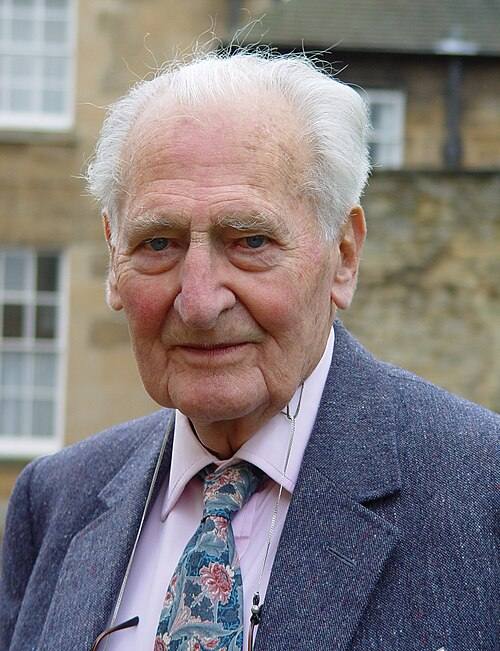 Built on1950Doll and Hill smoking and lung cancer case-control studyState health departments found the aspirin link with case-control studies, the design Doll and Hill made standard. Their entry shows how that method tied cigarettes to lung cancer.Read this moment
-
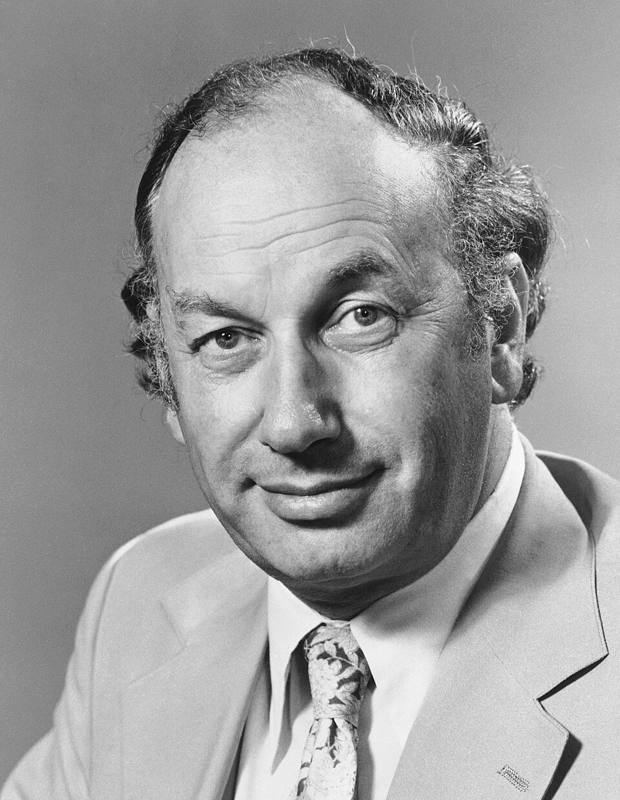 Same disease or problem1971Vane and how aspirin worksVane explained how aspirin works and why it has side effects, and Reye's syndrome was a harm tied to it in children. His entry shows the weekend idea that aspirin blocks the making of prostaglandins.Read this moment