Epidemiology
1980
Toxic shock syndrome and tampons
In 1980, CDC and state studies quickly tied a newly recognized, sometimes fatal illness in menstruating women to tampon use. Later studies found the highest risk with Rely and high-absorbency tampons; Rely was withdrawn that September, and reported menstrual cases fell steeply over the decade.
Key people
- James Todd
- Denver pediatrician who named the toxic shock syndrome in 1978
- K. N. Shands
- First author of the 1980 CDC tampon case-control study
Source
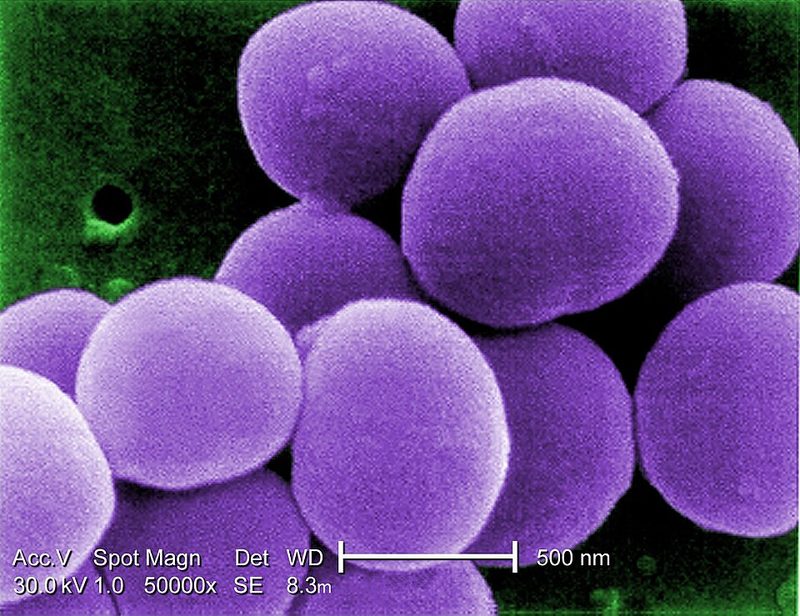
Pediatricians James Todd and Mark Fishaut of the Children's Hospital of Denver named the toxic shock syndrome in 1978 and linked it to Staphylococcus aureus. The illness brought high fever, a sunburn-like rash, peeling skin, low blood pressure and abnormalities in several organ systems. In May 1980 investigators reported 55 cases to CDC. Fifty-two were in women, and in 38 of the 40 women whose menstrual history was known, the illness had begun during a period.
A follow-up report in June described three studies, case-control studies in Wisconsin and Utah and a national CDC study, each finding that women with the syndrome were more likely than controls to have used tampons. The CDC study, published in December by K. N. Shands and colleagues, interviewed 52 patients and 52 matched controls by telephone. All 52 patients and 44 controls used tampons, and patients were more likely to use them throughout menstruation. It found no significant difference by brand or labeled absorbency. A separate study reported in the same paper isolated S. aureus from 62 of 64 women with the syndrome and from 7 of 71 vaginal cultures taken from healthy controls.
Later studies showed that the risk was substantially greater with Rely, a Procter & Gamble tampon made of polyester foam and cross-linked carboxymethylcellulose, and that it rose with absorbency. The manufacturer withdrew Rely in September 1980, and it came off store shelves on 22 September. It had been test-marketed in Fort Wayne, Indiana, in 1974, before the 1976 Medical Device Amendments required premarket approval for new devices.
In 1980, 890 cases were reported, 812 of them menstrual, and 38 of 772 women with menstrual cases died. Manufacturers lowered absorbency, and in 1982 the FDA required labels advising women to use the lowest absorbency they needed. Very high absorbency tampons, used by 42 percent of tampon users in 1980, were used by 1 percent in 1986. By 1989 reports had fallen to 61 cases, 45 of them menstrual, and in 1988 and 1989 no woman with menstrual toxic shock syndrome died.
Keep exploring
 Read next · built on
Doll and Hill smoking and lung cancer case-control study (1950)
The tampon link was found with case-control studies, the method Doll and Hill made standard. Their entry shows how that design tied cigarettes to lung cancer in 1950.
Read this moment
Read next · built on
Doll and Hill smoking and lung cancer case-control study (1950)
The tampon link was found with case-control studies, the method Doll and Hill made standard. Their entry shows how that design tied cigarettes to lung cancer in 1950.
Read this moment
 Today on The Clinical Times
Love to Dream recalls portable baby sound machine over fire and burn risk
Love to Dream has recalled its portable Sleep Machine because its lithium-ion battery can overheat while charging with an incompatible charger, creating a risk of fire and burns.
Read today’s top stories
Today on The Clinical Times
Love to Dream recalls portable baby sound machine over fire and burn risk
Love to Dream has recalled its portable Sleep Machine because its lithium-ion battery can overheat while charging with an incompatible charger, creating a risk of fire and burns.
Read today’s top stories
All 526 moments in the history of medicine. This one is in chapter 6, Trials, scanners and rights
Connected moments
How this moment links to others in the history of medicine, and what you will find in each.
- Same disease or problem1982Reye's syndrome and the aspirin warningBoth used quick case-control studies to tie a new syndrome to an everyday product, then saw cases fall after warnings. The Reye's entry shows US cases dropping from 555 to a few dozen a year.Read this moment
-
 Same disease or problem1971Diethylstilbestrol (DES) and Vaginal Clear-Cell AdenocarcinomaBoth found that a product widely used by women caused unexpected serious harm, and both led to quick withdrawal. The DES entry shows a pregnancy drug causing cancer in daughters years later.Read this moment