Cardiology
1981
Captopril, the first ACE inhibitor
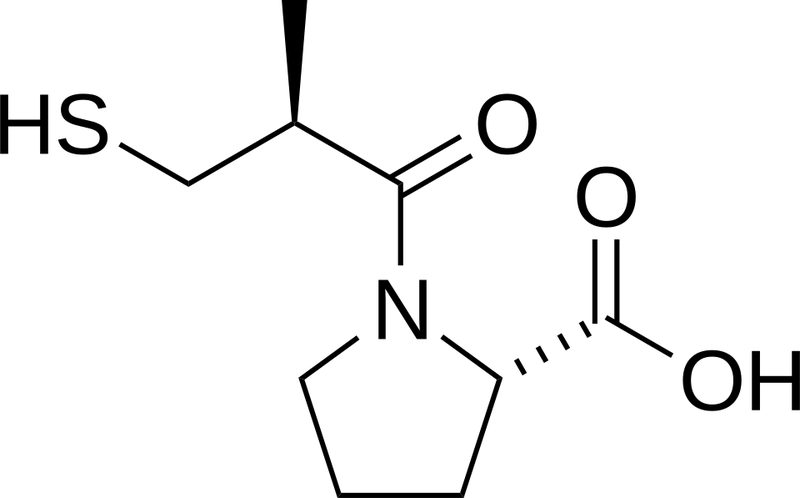
Squibb scientists used snake venom peptides and a model of the enzyme's active site to design captopril, the first oral drug to block angiotensin-converting enzyme. The FDA approved it in 1981, and ACE inhibitors became a main class of drugs for high blood pressure.
Key people
- Miguel A. Ondetti
- Squibb chemist who co-designed captopril
- David W. Cushman
- Squibb scientist who co-designed captopril
- Sérgio H. Ferreira
- Brazilian pharmacologist who studied the jararaca venom peptides
Source
In 1965 the Brazilian pharmacologist Sérgio Ferreira described a factor in the venom of the jararaca, a Brazilian pit viper, that strengthened the effects of bradykinin, a peptide that lowers blood pressure. Working with John Vane's laboratory in London, Ferreira showed that peptides in the venom also inhibited angiotensin-converting enzyme, or ACE, which makes angiotensin II, a peptide that narrows blood vessels and raises pressure.
At Squibb, the chemist Miguel Ondetti and his colleague David Cushman isolated peptides from the venom. One of them, a chain of nine amino acids called teprotide, proved an effective ACE inhibitor in patients, but it was too large to be absorbed when swallowed.
In March 1974 they read a paper by Byers and Wolfenden on an inhibitor of another enzyme, carboxypeptidase A. Drawing on it and on what was known of ACE's chemistry, they built a hypothetical model of its active site and designed molecules to fit it. They made and tested about 100 compounds before synthesizing captopril, a proline derivative carrying a sulfhydryl group, in October 1975. Their 1977 report in Science showed that the new compounds blocked angiotensin I and lowered blood pressure in rats with renovascular hypertension when given by mouth.
Captopril entered clinical trials in 1977 and was approved by the Food and Drug Administration in 1981, sold as Capoten. It was later approved for congestive heart failure and, in 1994, as the first drug to prevent kidney disease in people with diabetes. In the SAVE trial, published in 1992, 2,231 patients with poor left ventricular function after myocardial infarction were randomized to captopril or placebo; after an average of 42 months, 20 percent had died on captopril and 25 percent on placebo. By 1999 nine other ACE inhibitors had been approved in the United States, and Ondetti and Cushman shared that year's Lasker clinical award.
Keep exploring
 Read next · same person
Vane and how aspirin works (1971)
Sergio Ferreira found the venom peptides that block ACE while working with John Vane, who explained aspirin. Vane's entry shows how he found that aspirin stops prostaglandins being made.
Read this moment
Read next · same person
Vane and how aspirin works (1971)
Sergio Ferreira found the venom peptides that block ACE while working with John Vane, who explained aspirin. Vane's entry shows how he found that aspirin stops prostaglandins being made.
Read this moment
 Today on The Clinical Times
Love to Dream recalls portable baby sound machine over fire and burn risk
Love to Dream has recalled its portable Sleep Machine because its lithium-ion battery can overheat while charging with an incompatible charger, creating a risk of fire and burns.
Read today’s top stories
Today on The Clinical Times
Love to Dream recalls portable baby sound machine over fire and burn risk
Love to Dream has recalled its portable Sleep Machine because its lithium-ion battery can overheat while charging with an incompatible charger, creating a risk of fire and burns.
Read today’s top stories
All 526 moments in the history of medicine. This one is in chapter 6, Trials, scanners and rights
Connected moments
How this moment links to others in the history of medicine, and what you will find in each.
-
 Led to1987CONSENSUS (Cooperative North Scandinavian Enalapril Survival Study)Captopril opened the ACE inhibitor class, and CONSENSUS proved one of them saves lives in heart failure. It shows enalapril cutting six-month deaths in severe heart failure from 44 to 26 percent.Read this moment
-
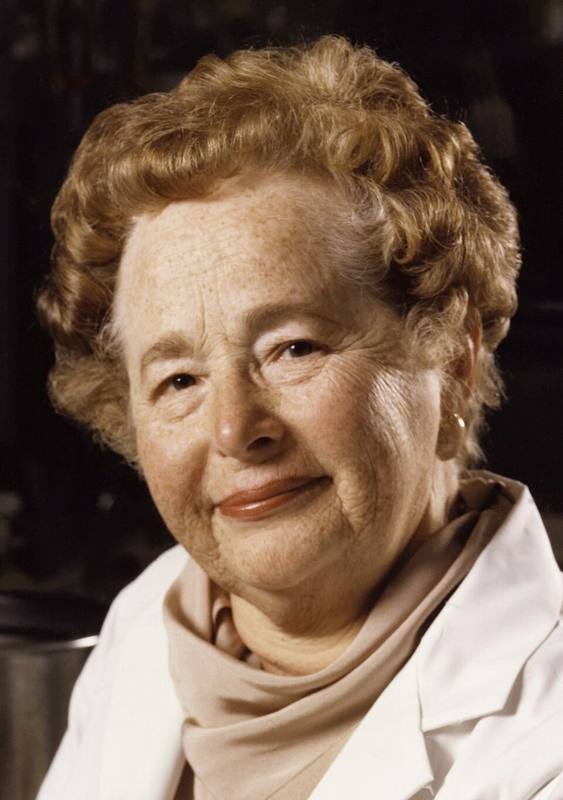 Same disease or problem1988Elion, Hitchings and rational drug designBoth designed drugs around what was known of their biological target, captopril around a model of an enzyme's active site. The Elion entry shows drugs built around nucleic acid chemistry, from azathioprine to acyclovir.Read this moment
- Same disease or problem1967VA Cooperative Study of antihypertensive treatmentACE inhibitors became a main class of drugs for high blood pressure, the condition the VA trial first proved worth treating. That entry shows fewer strokes and deaths in treated veterans.Read this moment