Cardiology
1967
VA Cooperative Study of antihypertensive treatment
In the first adequately powered placebo-controlled trial of blood pressure treatment, veterans with diastolic pressures of 115 to 129 mm Hg who took three drugs had 2 serious complications against 27 on placebo, and no deaths against 4.
Through the 1960s doctors argued over whether ordinary essential hypertension needed treating at all. The Framingham studies had tied high blood pressure to stroke, heart failure and heart attack, and the new thiazide diuretics, first chlorothiazide, then hydrochlorothiazide and chlorthalidone, lowered pressure in small studies. No trial had yet shown that lowering it prevented harm.
The Veterans Administration had added research to the work of its hospitals, and its cooperative program made a multicenter trial possible. Recruitment began in 1964. In the first phase, 143 veterans with severe hypertension, diastolic pressures of 115 to 129 mm Hg, received either placebo or a combination of hydrochlorothiazide, reserpine and hydralazine. Pressure in the treated men fell by an average of 43/30 mm Hg, and follow-up averaged about a year and a half.
The results appeared in JAMA on December 11, 1967. Four men in the placebo group died, against none on treatment. There were 27 serious complications in the placebo group and 2 in the treated group. They included progression to malignant hypertension with bleeding in the retina, strokes, heart attacks, heart failure and dissecting aneurysm, and the largest difference was in progression to accelerated or malignant hypertension. A 2016 history of hypertension treatment describes the study as the first adequately powered placebo-controlled trial of antihypertensive therapy and the first multicenter trial of hypertension treatment.
A second phase, begun at the same time, enrolled men with moderate hypertension, diastolic pressures of 90 to 115 mm Hg. Because the disease was milder it needed more patients and a longer follow-up, a mean of 3.8 years. Reported in 1970, it found fewer strokes and less heart failure in the treated group.
Keep exploring
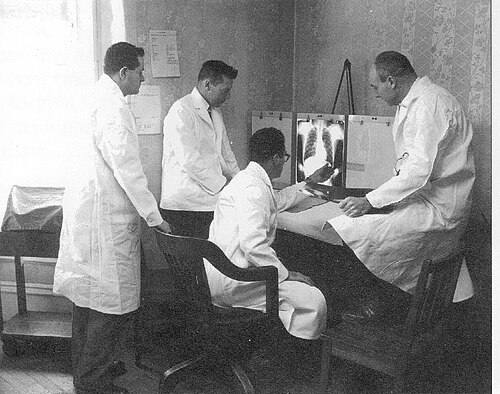 Read next · built on
Factors of Risk in the Development of Coronary Heart Disease (Framingham Heart Study) (1961)
Framingham tied high blood pressure to stroke, heart failure and heart attack, and the VA trial tested whether treating it helped. The Framingham entry shows how the phrase risk factor entered medicine in 1961.
Read this moment
Read next · built on
Factors of Risk in the Development of Coronary Heart Disease (Framingham Heart Study) (1961)
Framingham tied high blood pressure to stroke, heart failure and heart attack, and the VA trial tested whether treating it helped. The Framingham entry shows how the phrase risk factor entered medicine in 1961.
Read this moment
 Today on The Clinical Times
Love to Dream recalls portable baby sound machine over fire and burn risk
Love to Dream has recalled its portable Sleep Machine because its lithium-ion battery can overheat while charging with an incompatible charger, creating a risk of fire and burns.
Read today’s top stories
Today on The Clinical Times
Love to Dream recalls portable baby sound machine over fire and burn risk
Love to Dream has recalled its portable Sleep Machine because its lithium-ion battery can overheat while charging with an incompatible charger, creating a risk of fire and burns.
Read today’s top stories
All 526 moments in the history of medicine. This one is in chapter 6, Trials, scanners and rights
Connected moments
How this moment links to others in the history of medicine, and what you will find in each.
-
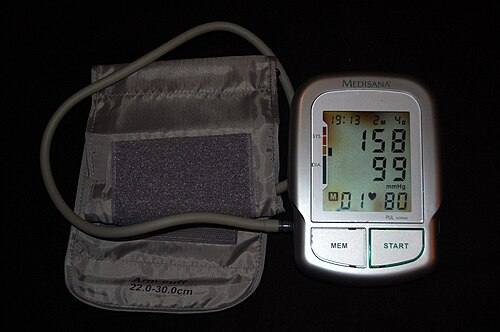 Same disease or problem2015SPRINT (Systolic Blood Pressure Intervention Trial)The VA trial proved treating severe hypertension saves lives, and SPRINT asked how low to go. It shows a systolic target below 120 cutting cardiovascular events by about a quarter in high-risk adults.Read this moment
-
 Same disease or problem1896Riva-Rocci's cuff sphygmomanometerThe VA trial enrolled men by their measured diastolic pressure, the number the arm cuff made routine. Riva-Rocci's entry shows the quick, painless cuff that became the standard way to measure blood pressure.Read this moment