Patients & Rights
1967
St Christopher's Hospice
Cicely Saunders opened St Christopher's in south London in July 1967 as the first hospice to join expert pain and symptom control with compassionate care, teaching and clinical research. It began home care in 1969; the BMJ called her founder of the modern hospice movement.
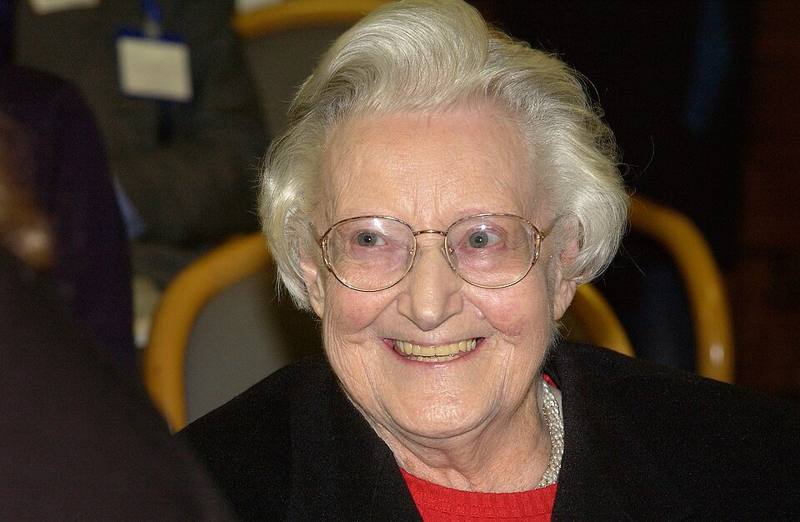
Key people
- Cicely Saunders
- Founder and medical director of St Christopher's Hospice, 1967 to 1985
- David Tasma
- Dying patient who left Saunders £500 toward a home for the dying
Source
Richmond C. Dame Cicely Saunders [obituary]. BMJ. 2005;331(7510):238. (opens in a new tab)
By the 1950s most people died in hospitals, and doctors increasingly treated death as a failure. At least three quarters of people with cancer had physical pain, yet suitable painkillers were rarely given, because morphine was thought addictive and dangerous.
Cicely Saunders qualified as a nurse at St Thomas' Hospital in 1944, but a severe back problem soon forced her to give up nursing, and in 1947 she qualified as a lady almoner, the hospital social worker of the day. At Archway Hospital she cared for David Tasma, a 40-year-old Polish Jewish émigré who was dying. They talked about a home for the dying, and he left her £500. A surgeon, Norman Barrett, told her to read medicine because it was the doctors who deserted the dying, so at 33 she entered medical school at St Thomas', qualifying in 1957. She then studied the pain of terminally ill patients at St Mary's Hospital, Paddington, while working at St Joseph's Hospice in Hackney, run by the Roman Catholic Sisters of Charity.
In the second half of 1959 she circulated a ten-page scheme for the hospice. She first planned an Anglican foundation, but made it interdenominational after the City Parochial Foundation, a likely funder, said its trust barred it from backing a purely Anglican venture. Supporters had raised more than £330,000 by 1964. The first patient, Mrs Medhurst, was admitted on 13 July 1967, and Princess Alexandra opened the hospice on 24 July. By 1968 it ran three 18-bed wards, an outpatient clinic and a wing for longer-term residents.
Saunders described 'total pain', which took in mental distress and social and emotional difficulties as well as physical symptoms. Research and teaching were part of the hospice's work from the start. In 1969 its staff began what St Christopher's describes as the first home-based hospice service. Saunders was medical director until 1985 and died of breast cancer on 14 July 2005, spending her last days at St Christopher's.
Keep exploring
 Read next · same disease or problem
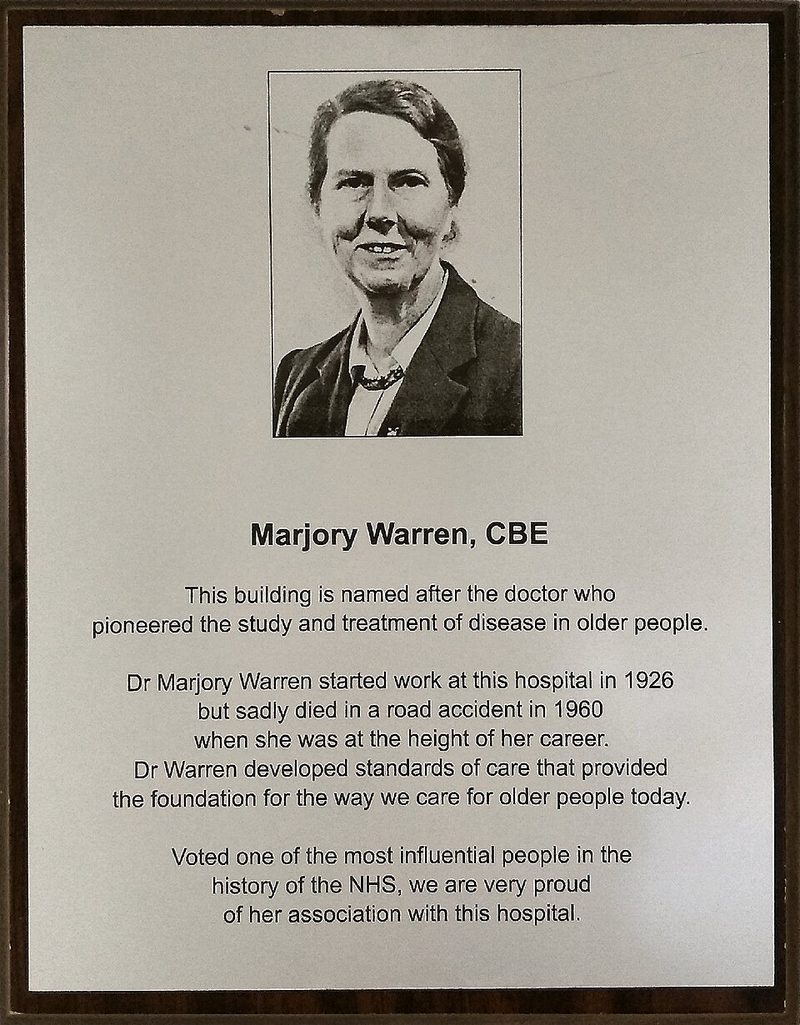
Marjory Warren and geriatric medicine (1935)
Saunders cared for dying patients doctors had deserted, as Warren did for chronically ill people left in a workhouse. Warren's entry shows how assessing and rehabilitating them sent many home and helped found geriatrics.
Read this moment
Read next · same disease or problem
Marjory Warren and geriatric medicine (1935)
Saunders cared for dying patients doctors had deserted, as Warren did for chronically ill people left in a workhouse. Warren's entry shows how assessing and rehabilitating them sent many home and helped found geriatrics.
Read this moment
 Today on The Clinical Times
Love to Dream recalls portable baby sound machine over fire and burn risk
Love to Dream has recalled its portable Sleep Machine because its lithium-ion battery can overheat while charging with an incompatible charger, creating a risk of fire and burns.
Read today’s top stories
Today on The Clinical Times
Love to Dream recalls portable baby sound machine over fire and burn risk
Love to Dream has recalled its portable Sleep Machine because its lithium-ion battery can overheat while charging with an incompatible charger, creating a risk of fire and burns.
Read today’s top stories
All 526 moments in the history of medicine. This one is in chapter 6, Trials, scanners and rights