Patients & Rights
1976
In re Quinlan
The New Jersey Supreme Court allowed Karen Ann Quinlan's father, as her guardian, to have her respirator withdrawn if her doctors and a hospital ethics committee agreed she could not recover. The US Supreme Court later called it a seminal decision on refusing treatment.
Key people
- Karen Ann Quinlan
- Patient in a persistent vegetative state at the center of the case
- Joseph Quinlan
- Her father, who sought guardianship to end extraordinary treatment
- Robert Morse
- Attending neurologist who refused to withdraw the respirator
Source
In re Quinlan, 70 N.J. 10, 355 A.2d 647 (N.J. 1976). (opens in a new tab)
On the night of April 15, 1975, for reasons still unclear when the case was decided, Karen Ann Quinlan stopped breathing for at least two periods of about 15 minutes. Friends tried mouth-to-mouth resuscitation, and an ambulance took her to Newton Memorial Hospital in New Jersey. By the time she was moved to Saint Clare's Hospital in Denville she had a tracheotomy and depended on a respirator. The doctors who examined her described a chronic persistent vegetative state. She had sleep and wake cycles and could blink and cry out, but she was unaware of anyone around her, and no known treatment could improve her condition.
Her father, Joseph Quinlan, a Roman Catholic like the rest of the family, reached his decision after long prayer. He asked the court to appoint him her guardian with express power to authorize ending all extraordinary medical procedures. Her attending neurologist, Robert Morse, had refused the family's request to withdraw the respirator, citing medical standards and ethics, and in 1975 Judge Muir of the Chancery Division ruled against the father.
The New Jersey Supreme Court took the appeal directly and decided it on March 31, 1976, by a vote of 7 to 0, in an opinion by Chief Justice Hughes. It found the constitutional right of privacy broad enough to cover a patient's decision to decline treatment in some circumstances, and it let the guardian assert that right for her. If the family agreed and her attending physicians concluded there was no reasonable possibility she would return to a cognitive, sapient state, they were to consult the hospital's ethics committee or a similar body. If that body agreed, the respirator could be withdrawn without civil or criminal liability for anyone involved. The court added that comparable decisions should not ordinarily need a court.
Doctors weaned her from the respirator, but she kept breathing on her own. Fed through a nasogastric tube, she lived nine more years in a nursing home and died of pneumonia in June 1985. The hospice later named for her says the case led to ethics committees becoming a requirement in hospitals, nursing homes and hospices. A later dispute, over Nancy Cruzan, became the first right-to-die case to reach the US Supreme Court, which decided it in 1990.
Keep exploring
 Read next · same disease or problem
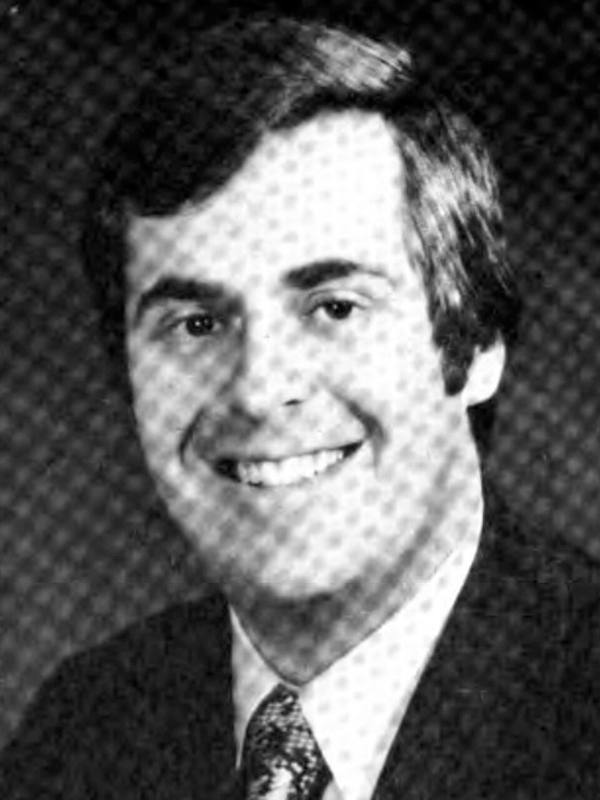
California's Natural Death Act (1976)
The same year as Quinlan, California gave legal force to a signed advance instruction to withhold life support. That entry shows why its narrow terms could not have helped a patient struck down suddenly.
Read this moment
Read next · same disease or problem
California's Natural Death Act (1976)
The same year as Quinlan, California gave legal force to a signed advance instruction to withhold life support. That entry shows why its narrow terms could not have helped a patient struck down suddenly.
Read this moment
 Today on The Clinical Times
Love to Dream recalls portable baby sound machine over fire and burn risk
Love to Dream has recalled its portable Sleep Machine because its lithium-ion battery can overheat while charging with an incompatible charger, creating a risk of fire and burns.
Read today’s top stories
Today on The Clinical Times
Love to Dream recalls portable baby sound machine over fire and burn risk
Love to Dream has recalled its portable Sleep Machine because its lithium-ion battery can overheat while charging with an incompatible charger, creating a risk of fire and burns.
Read today’s top stories
All 526 moments in the history of medicine. This one is in chapter 6, Trials, scanners and rights
Connected moments
How this moment links to others in the history of medicine, and what you will find in each.
- Same disease or problem1990Cruzan and the Patient Self-Determination ActA later dispute over Nancy Cruzan became the first right-to-die case to reach the US Supreme Court. Her entry shows the Court's standard of clear evidence and the federal law on advance directives that followed.Read this moment
-
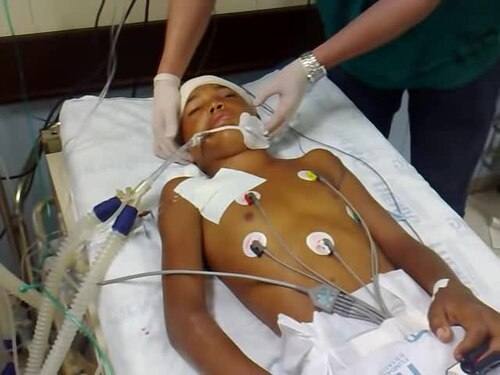 Same disease or problem1968Harvard Criteria for Brain DeathHarvard defined death by total brain failure but left out patients in a persistent vegetative state, like Karen Ann Quinlan. The Harvard entry shows how ventilators forced medicine to define death by the brain.Read this moment
-
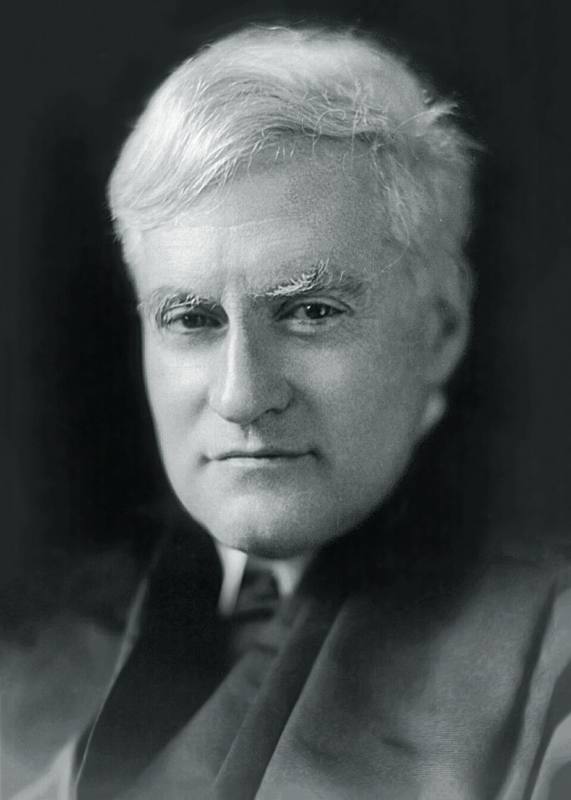 Same disease or problem1914Schloendorff v. Society of New York HospitalBoth rest on a patient's right to decide what is done to their body, which Quinlan let a guardian exercise for her. Schloendorff shows the ruling that surgery without consent is an assault.Read this moment