Patients & Rights
1976
California's Natural Death Act
California became the first American state to give legal force to a written instruction, signed in advance, asking doctors to withhold or withdraw life-sustaining procedures in terminal illness. Other states followed with their own living will laws.
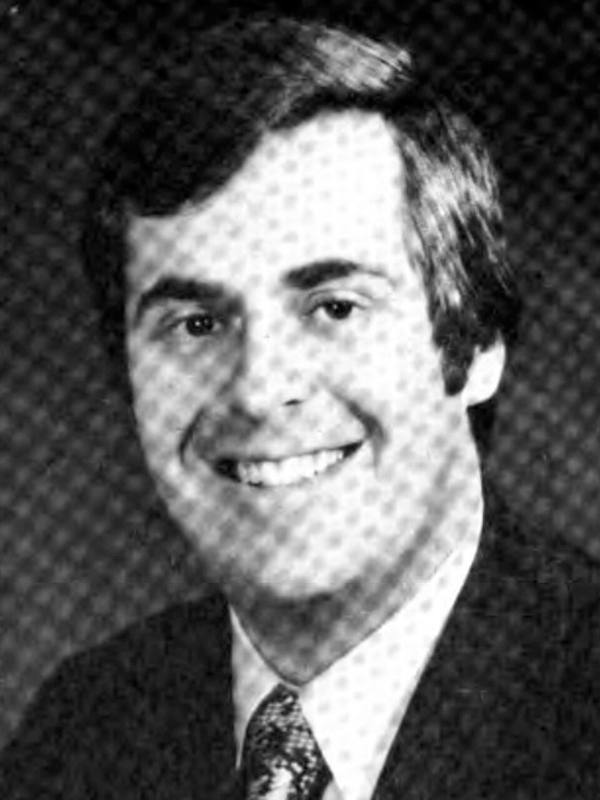
Key people
- Barry Keene
- California Assembly member who introduced the natural death bill
- Luis Kutner
- Chicago lawyer who proposed the living will
Source
The living will began as a private document with no legal force. Luis Kutner, a Chicago lawyer who had co-founded Amnesty International, drafted one in 1967 and published the proposal in the Indiana Law Journal in 1969. The Euthanasia Educational Council, spun off from the Euthanasia Society of America in 1967, promoted such documents, but no statute protected a physician who followed one from civil or criminal liability.
Barry Keene, a member of the California Assembly, introduced a bill in 1974 to recognize a right to die without prolongation of life by medical means. As first drafted it simply shielded doctors who honored living wills. Medical and religious groups raised fears of wrong diagnoses and of patients giving up too soon. Karen Ann Quinlan's case had been front-page news across the country since 1975. The New Jersey Supreme Court decided it on 31 March 1976, and Assembly Bill 3060 became law later that year as chapter 1439 of the 1976 statutes.
The act let an adult sign a directive to physicians before two unrelated witnesses. It lasted five years unless revoked. Two physicians had to certify a terminal condition, and a patient in a skilled nursing facility needed a state-designated patient advocate or ombudsman as a witness. Doctors who complied were protected from civil and criminal liability and charges of unprofessional conduct. Withdrawing treatment under the act was not suicide and could not void life insurance. Forging a directive, or hiding its revocation so that death was hastened, could be prosecuted as unlawful homicide, and the act stated that it did not authorize mercy killing.
The law was narrow. Its protections applied only to a patient who signed the directive after waiting 14 days from the diagnosis of a terminal condition, and only to procedures that merely postponed a death judged imminent with or without them. A patient in Quinlan's position, struck down suddenly, could not have used it. By 1977 the Society for the Right to Die counted 25 states that had considered right-to-die bills, and during the late 1970s and 1980s other states passed their own.
Keep exploring
All 526 moments in the history of medicine. This one is in chapter 6, Trials, scanners and rights