Oncology
1976
Bishop, Varmus and cellular oncogenes
In 1976 Michael Bishop, Harold Varmus and colleagues in San Francisco showed that the cancer gene of Rous sarcoma virus was a normal cellular gene the virus had picked up. Normal cells carry such growth-control genes, and changes in them can cause cancer.
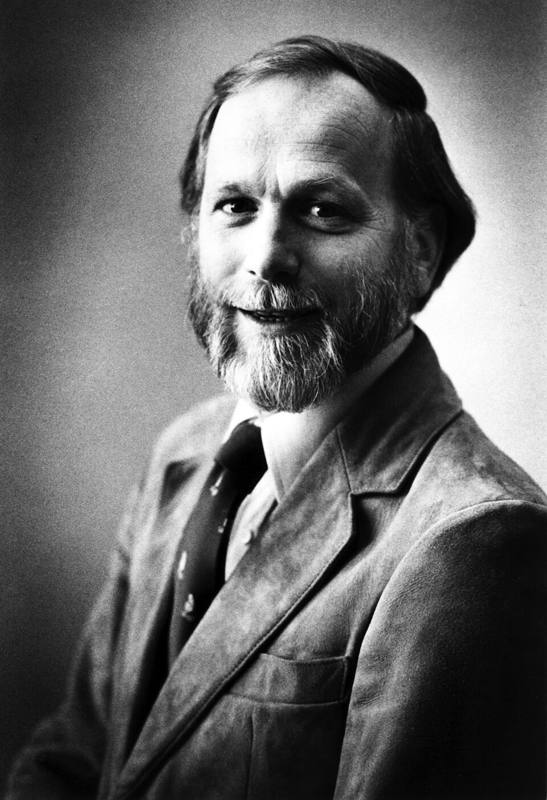
Key people
- J. Michael Bishop
- UCSF microbiologist; Nobel laureate 1989
- Harold E. Varmus
- UCSF microbiologist; Nobel laureate 1989
- Dominique Stehelin
- Made the sarc probe; first author of the 1976 paper
- Peter Vogt
- Isolated transformation-defective Rous virus mutants in 1971
Source
In the 1960s the word oncogene meant a piece of viral genetic material. A favored theory, the virogene-oncogene hypothesis, held that such viral genes lay dormant in normal cells until a carcinogen woke them. Rous sarcoma virus, the chicken tumor virus first found by Peyton Rous at the Rockefeller Institute, was the model. Steve Martin had isolated a mutant that lost its power to transform cells at a raised temperature, which defined the transforming gene later named src.
Harold Varmus joined Michael Bishop's group at the University of California, San Francisco, as a postdoctoral fellow in 1970. They used reverse transcriptase to copy viral RNA into radioactive DNA probes. In 1971 Peter Vogt had isolated mutants of the virus that multiplied normally but could not transform cells, and their RNA was about 15 percent shorter. By copying DNA from the whole virus and stripping out everything that matched the mutant, the team could make a probe for the missing stretch, known as sarc. Dominique Stehelin produced one that met their standards.
The sarc probe bound extensively to normal chicken DNA, as the old theory predicted. But it also bound to DNA from quail, duck and even the Australian emu, while a probe for the rest of the viral genome bound poorly outside chickens. The gene had been conserved through at least 100 million years of bird evolution. In 1976 Stehelin, Varmus, Bishop and Vogt argued in Nature that the viral gene came from a normal cellular gene, captured in slightly altered form, which probably helped control cell growth or development.
Other laboratories confirmed it. Joan Brugge and Ray Erikson identified the v-src protein, of about 60,000 daltons, and Hermann Oppermann and others found a nearly identical protein in normal cells; it proved to be a kinase that acts on tyrosine. Deborah Spector showed that the probe annealed to DNA of all vertebrates, humans included. By 1989 more than 40 oncogenes were known, among them erbB, found amplified in some glioblastomas. Bishop and Varmus shared the 1989 Nobel Prize in Physiology or Medicine.
Keep exploring
 Read next · same disease or problem
Imatinib (STI571, Gleevec) in chronic myeloid leukemia (2001)
The src oncogene proved to make a tyrosine kinase, and imatinib blocked the kinase made by another oncogene. The imatinib entry shows a drug aimed at one oncogenic protein controlling leukemia.
Read this moment
Read next · same disease or problem
Imatinib (STI571, Gleevec) in chronic myeloid leukemia (2001)
The src oncogene proved to make a tyrosine kinase, and imatinib blocked the kinase made by another oncogene. The imatinib entry shows a drug aimed at one oncogenic protein controlling leukemia.
Read this moment
 Today on The Clinical Times
Love to Dream recalls portable baby sound machine over fire and burn risk
Love to Dream has recalled its portable Sleep Machine because its lithium-ion battery can overheat while charging with an incompatible charger, creating a risk of fire and burns.
Read today’s top stories
Today on The Clinical Times
Love to Dream recalls portable baby sound machine over fire and burn risk
Love to Dream has recalled its portable Sleep Machine because its lithium-ion battery can overheat while charging with an incompatible charger, creating a risk of fire and burns.
Read today’s top stories
All 526 moments in the history of medicine. This one is in chapter 6, Trials, scanners and rights
Connected moments
How this moment links to others in the history of medicine, and what you will find in each.
- Built on1911Rous and the chicken sarcoma virusBishop and Varmus traced the cancer gene of the virus Peyton Rous found in 1911 to a normal cellular gene. Rous's entry shows a chicken tumor passed on by a cell-free filtrate.Read this moment
-
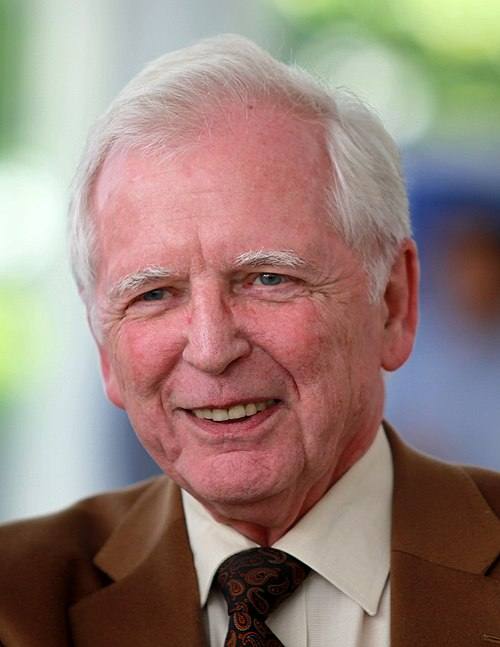 Same disease or problem1976Harald zur Hausen hypothesis linking HPV to cervical cancerIn the same year, zur Hausen argued that a virus drives cervical cancer while Bishop and Varmus showed a virus's cancer gene came from normal cells. His entry shows HPV cloned from tumors and the vaccines that followed.Read this moment
-
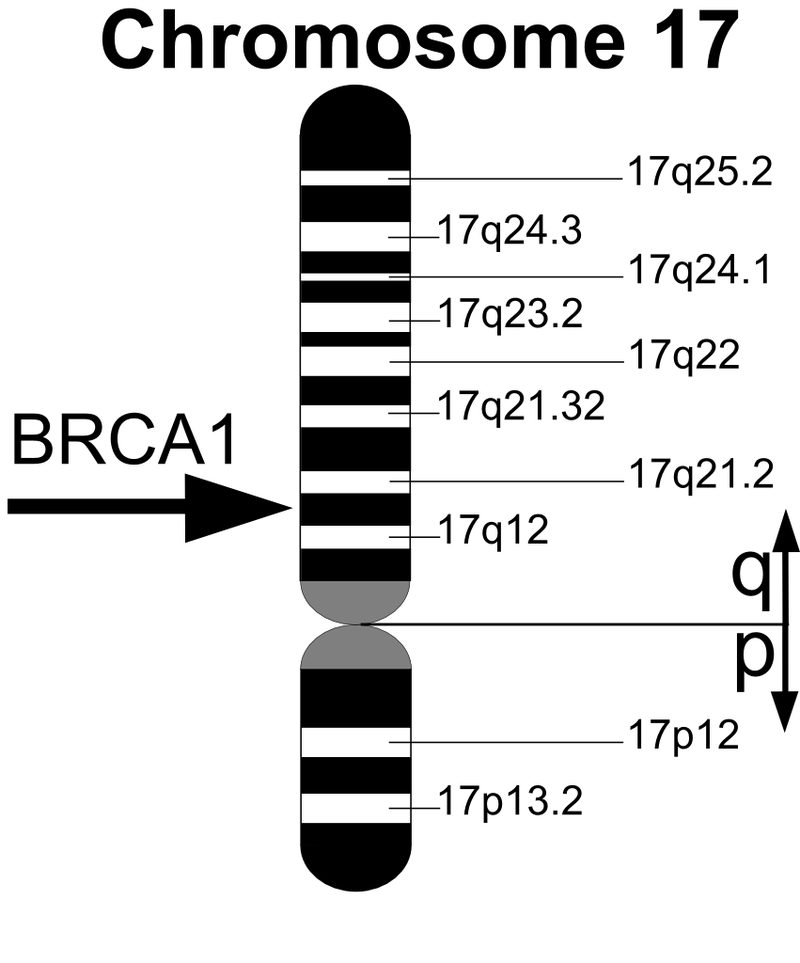 Same disease or problem1994The BRCA1 geneBoth found cancer written in human genes, one in normal growth genes that go wrong and one in an inherited breast cancer gene. The BRCA1 entry shows family studies leading to clinical mutation testing.Read this moment