Genetics & Molecular
1994
The BRCA1 gene
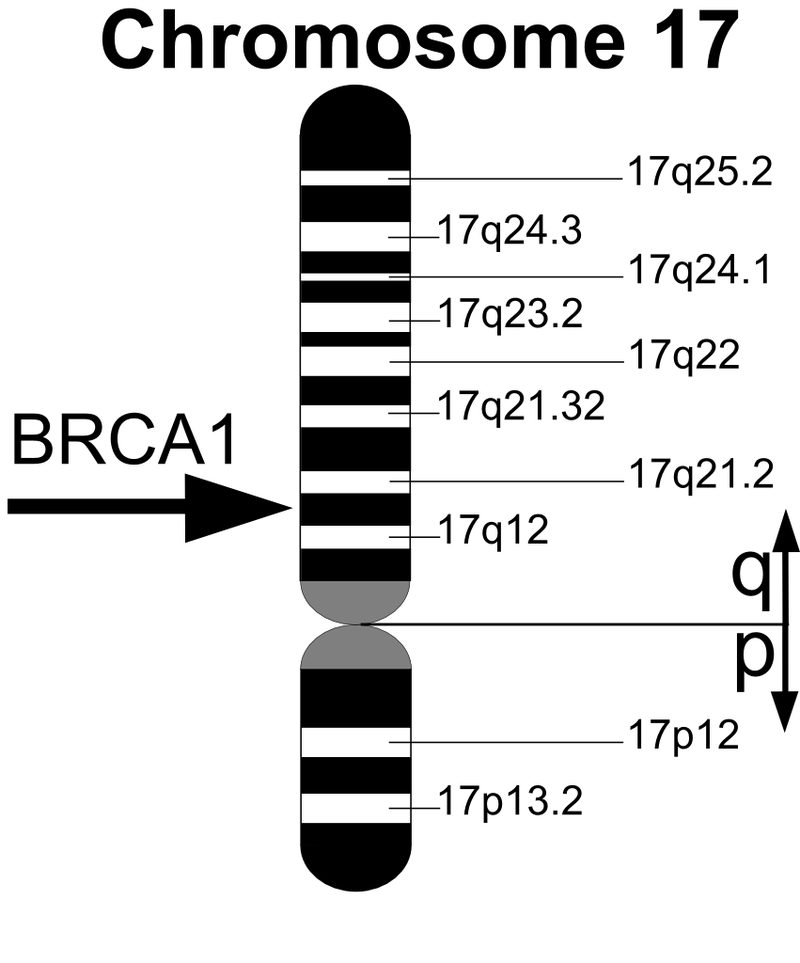
Mary-Claire King's family studies placed an inherited breast cancer gene on chromosome 17 in 1990, and a Utah team cloned BRCA1 in 1994. Mutation testing entered clinical practice; in 2013 the Supreme Court ruled isolated natural DNA unpatentable.
Key people
- Mary-Claire King
- Geneticist who mapped BRCA1 to chromosome 17q21 in 1990
- Yoshio Miki
- First author of the 1994 paper reporting BRCA1
- Michael Stratton
- Led the Institute of Cancer Research team that found BRCA2
Source
Most breast cancer arises from genetic changes in breast cells during life, but some families pass a strong susceptibility down the generations. In 1974 Mary-Claire King began studying families of women with breast cancer, eventually drawing on more than 1,500 families of women diagnosed before 55. Her team at the University of California, Berkeley, analysed DNA from 329 relatives in 23 families, among whom there were 146 cases of invasive breast cancer, often in young women, and searched marker after marker across the chromosomes.
In December 1990 the group reported in Science that susceptibility in families with early-onset disease was linked to a region of chromosome 17, 17q21, with a lod score of 5.98 for one marker. Families with late-onset breast cancer showed no such linkage, evidence that inherited breast cancer had more than one genetic cause. King named the locus BRCA1.
On 7 October 1994 researchers at the University of Utah Medical Center in Salt Lake City and at Myriad Genetics, with Yoshio Miki as first author, reported a strong candidate found by positional cloning. It encoded a protein of 1,863 amino acids, and likely disease-causing mutations turned up in five of eight families thought to carry BRCA1 susceptibility. A second gene, BRCA2, was found by Michael Stratton and colleagues at the Institute of Cancer Research in Britain.
Myriad obtained patents based on its discovery of BRCA1 and BRCA2 and developed tests for mutations in them. The Association for Molecular Pathology and others sued, and on 13 June 2013 the Supreme Court held, in an opinion by Justice Thomas, that a naturally occurring DNA segment was a product of nature and could not be patented merely because it had been isolated, although synthetic cDNA could be. The opinion noted that the average American woman has a 12 to 13 percent risk of developing breast cancer, while some BRCA mutations raise it to between 50 and 80 percent, with a 20 to 50 percent risk of ovarian cancer.
Keep exploring
 Read next · same disease or problem
Huntington's description of hereditary chorea (1872)
Both began with families where a disease passed from parent to child, and both genes were found by linkage to a chromosome. The Huntington entry shows the 1872 description and the gene found in 1993.
Read this moment
Read next · same disease or problem
Huntington's description of hereditary chorea (1872)
Both began with families where a disease passed from parent to child, and both genes were found by linkage to a chromosome. The Huntington entry shows the 1872 description and the gene found in 1993.
Read this moment
 Today on The Clinical Times
Love to Dream recalls portable baby sound machine over fire and burn risk
Love to Dream has recalled its portable Sleep Machine because its lithium-ion battery can overheat while charging with an incompatible charger, creating a risk of fire and burns.
Read today’s top stories
Today on The Clinical Times
Love to Dream recalls portable baby sound machine over fire and burn risk
Love to Dream has recalled its portable Sleep Machine because its lithium-ion battery can overheat while charging with an incompatible charger, creating a risk of fire and burns.
Read today’s top stories
All 526 moments in the history of medicine. This one is in chapter 6, Trials, scanners and rights
Connected moments
How this moment links to others in the history of medicine, and what you will find in each.
-
 Same disease or problem1998NSABP P-1 Breast Cancer Prevention Trial (tamoxifen)Both concern women at raised risk of breast cancer, BRCA1 by identifying them and tamoxifen by lowering the risk. The P-1 entry shows tamoxifen cutting invasive breast cancer by about half.Read this moment
-
 Same disease or problem2008Genetic Information Nondiscrimination ActBRCA1 made genetic testing for cancer risk part of clinical practice, and GINA later barred insurers and employers from using such results. The GINA entry shows the protections it gave and the insurance it left out.Read this moment
-
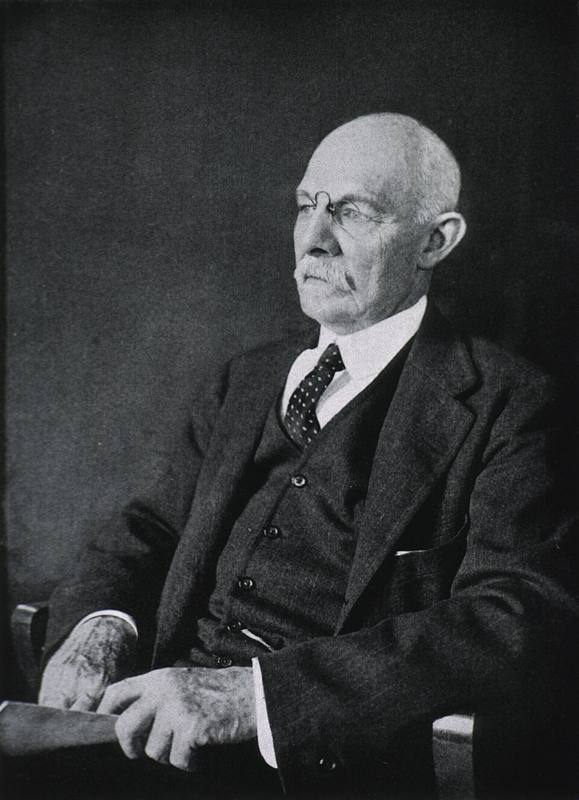 Same disease or problem1894Halsted's radical mastectomyBoth are chapters in the long fight against breast cancer, one finding who inherits the risk and one cutting the disease out. Halsted's entry shows the radical operation that stayed standard for decades.Read this moment