Patients & Rights
2008
Genetic Information Nondiscrimination Act
Signed on 21 May 2008, GINA barred US health insurers and employers from using genetic information, including family medical history, to decide coverage, premiums, hiring or pay. It does not cover life, disability or long-term care insurance.

Congress wrote its reasons into the law. It found a compelling public interest in relieving the fear of discrimination based on genetic information, and it noted that a patchwork of state and federal laws had left Americans worried that such information could be used against them, a worry that kept some people from genetic testing and from new therapies.
The House passed H.R. 493 on 25 April 2007. The Senate passed an amended version on 24 April 2008, the House accepted it on 1 May, and the act was signed on 21 May 2008.
The law defines genetic information broadly. It covers a person's own genetic tests, the genetic tests of family members and the appearance of a disease or disorder in family members, which is to say family medical history, along with genetic services and taking part in genetic research. Health insurers may not use it to decide eligibility, coverage, underwriting or premiums, and they may not request or require that a person or a relative undergo a genetic test, with exceptions for clinicians providing care and for research that follows the act's rules. Employers may not use genetic information in hiring, firing, promotion, pay or job assignments.
The health insurance rules applied to group health plans for plan years beginning more than a year after enactment, and the employment rules took effect 18 months after enactment. The National Human Genome Research Institute notes that the protections do not extend to life, disability or long-term care insurance, although individual states may offer additional protections.
Keep exploring
 Read next · same disease or problem
The BRCA1 gene (1994)
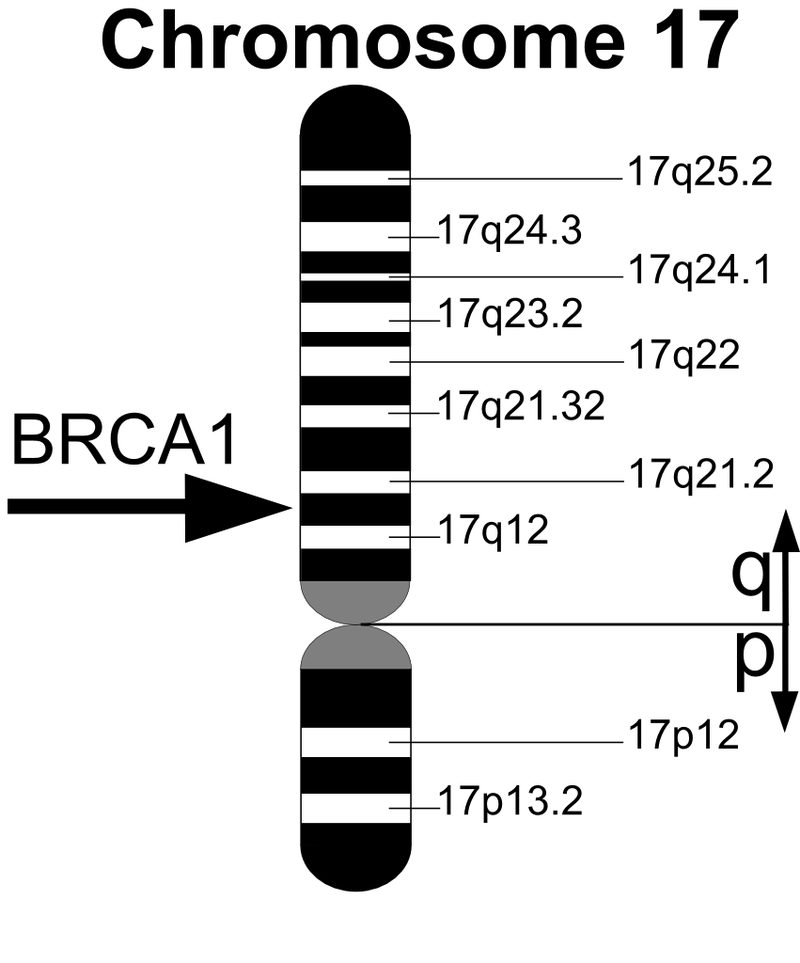
BRCA1 testing produces exactly the kind of genetic information GINA barred insurers and employers from using. The BRCA1 entry shows how the gene was found and patents on it struck down.
Read this moment
Read next · same disease or problem
The BRCA1 gene (1994)
BRCA1 testing produces exactly the kind of genetic information GINA barred insurers and employers from using. The BRCA1 entry shows how the gene was found and patents on it struck down.
Read this moment
 Today on The Clinical Times
Love to Dream recalls portable baby sound machine over fire and burn risk
Love to Dream has recalled its portable Sleep Machine because its lithium-ion battery can overheat while charging with an incompatible charger, creating a risk of fire and burns.
Read today’s top stories
Today on The Clinical Times
Love to Dream recalls portable baby sound machine over fire and burn risk
Love to Dream has recalled its portable Sleep Machine because its lithium-ion battery can overheat while charging with an incompatible charger, creating a risk of fire and burns.
Read today’s top stories
All 526 moments in the history of medicine. This one is in chapter 7, Genes and pandemics
Connected moments
How this moment links to others in the history of medicine, and what you will find in each.
- Same disease or problem1996HIPAA and the Privacy RuleHIPAA barred group health plans from discriminating by health status, and GINA extended protection to genetic information. The HIPAA entry shows patients gaining rights over their records.Read this moment
-
 Same disease or problem1990Americans with Disabilities ActBoth laws barred discrimination in health care and work, the ADA on disability and GINA on genes. The ADA entry shows the Supreme Court protecting a woman with HIV.Read this moment
-
 Same disease or problem1927Buck v. Bell and compulsory sterilizationBoth concern heredity used against people, sterilization upheld in 1927 and genetic discrimination banned in 2008. The Buck versus Bell entry shows about 28,000 Americans sterilized in the following decade.Read this moment