Patients & Rights
1927
Buck v. Bell and compulsory sterilization
The US Supreme Court ruled 8 to 1 that Virginia could sterilize a young woman held in a state institution, under a 1924 state law. About 28,000 Americans were sterilized in the following ten years, against 8,515 from 1907 to 1927.
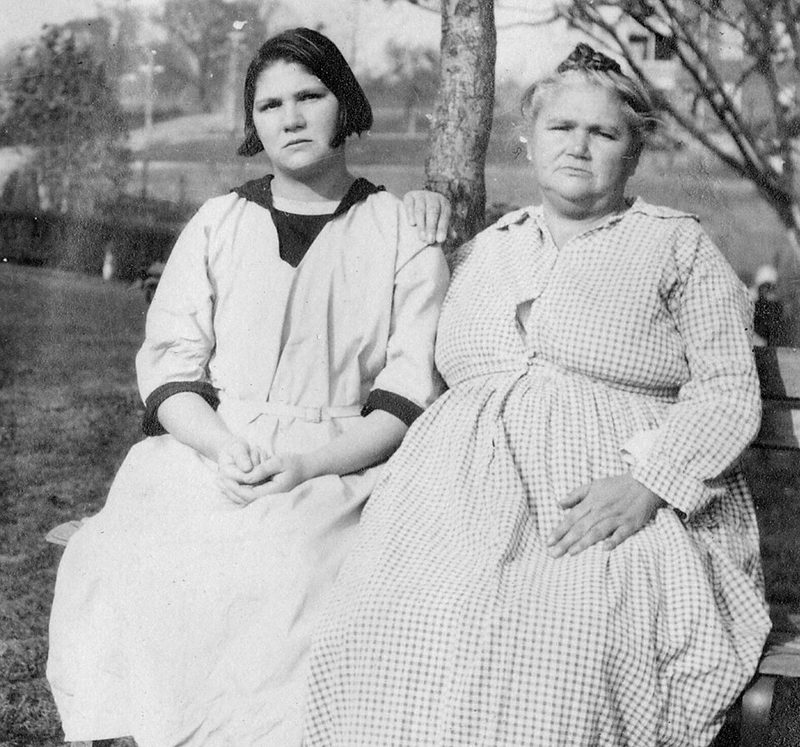
Key people
- Carrie Buck
- Committed to the State Colony in 1924; sterilized 19 October 1927
- Albert S. Priddy
- Colony superintendent who sought a court test of the law
- Aubrey Strode
- Drafted the 1924 law and represented the colony
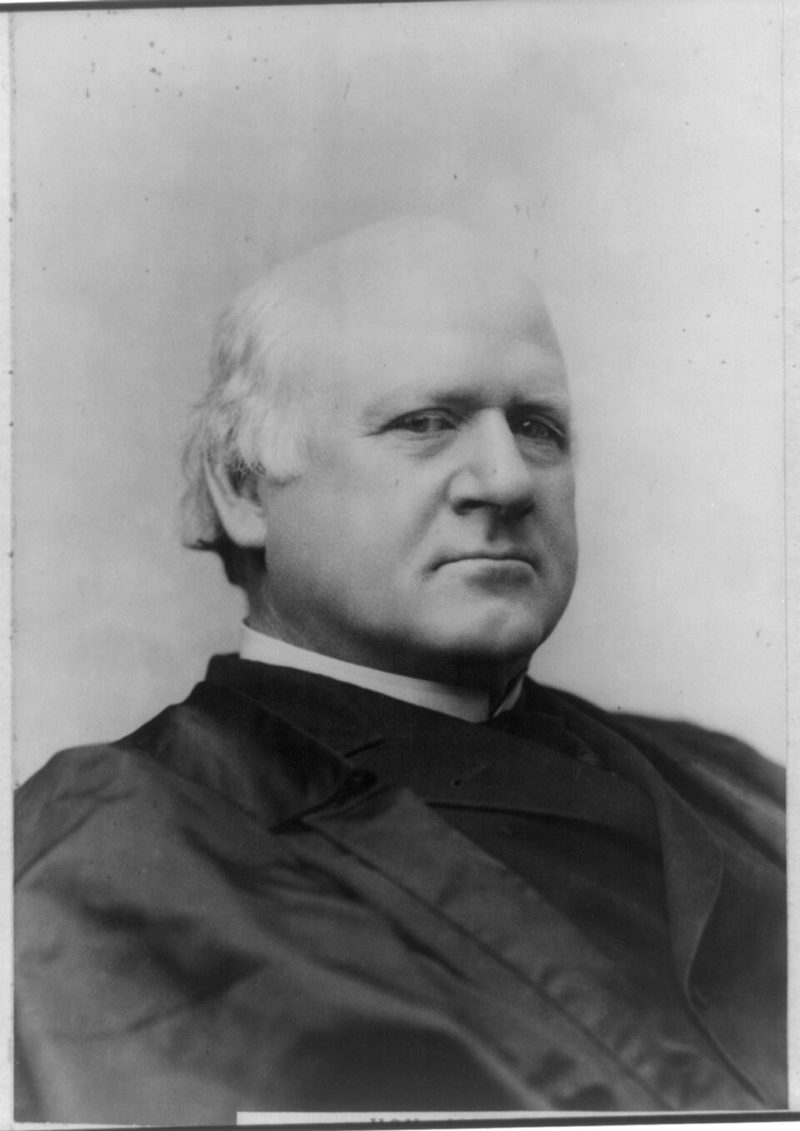
- Oliver Wendell Holmes Jr.
- Justice who wrote the Supreme Court's majority opinion
Source
Buck v. Bell, 274 U.S. 200 (1927). Argued 22 April 1927, decided 2 May 1927. (opens in a new tab)
Carrie Buck was 17 and pregnant in January 1924, by her own account after being raped by a nephew of the couple who had raised her since she was three. That couple, John and Alice Dobbs, petitioned a Charlottesville court to have her committed. Her daughter, Vivian, was born on 28 March, and on 4 June Carrie arrived at the Virginia State Colony for Epileptics and Feeble-Minded, near Lynchburg, where her mother, Emma Buck, had been held since 1920.
On 20 March 1924 Virginia had approved a law allowing superintendents of state institutions to have patients whose mental conditions were judged hereditary sterilized, by vasectomy in men and salpingectomy in women. Each case required notice, a hearing before the institution's board and a right of appeal. The colony's superintendent, Albert Priddy, wanted the law tested in court, and Carrie Buck became the test case. Aubrey Strode, who had drafted the law, represented the colony. Irving Whitehead, a former member of the colony's board and a supporter of sterilization, represented Buck. Priddy died in January 1925, and his successor, John H. Bell, became the named party.
At the first hearing, in the Amherst County Circuit Court in November 1924, a social worker testified that the baby did not look quite normal. The court upheld the sterilization order in February 1925, and the Supreme Court of Appeals of Virginia affirmed it that November. The US Supreme Court decided the case on 2 May 1927, by 8 votes to 1. Writing for the majority, Justice Oliver Wendell Holmes Jr. reasoned that the principle behind compulsory vaccination was broad enough to cover cutting the Fallopian tubes, and wrote, "Three generations of imbeciles are enough." Justice Pierce Butler dissented without a written opinion.
Bell sterilized Carrie Buck on 19 October 1927. According to Encyclopedia Virginia, 8,515 Americans had been sterilized from 1907 to 1927; almost 28,000 were sterilized in the next ten years, and about 8,300 Virginians between 1927 and 1972. Vivian made the honor roll at Venable Elementary School in 1931 and died at the age of eight. Carrie married twice and died in 1983.
Several Nazi defendants at Nuremberg cited the decision in their defense. In Skinner v. Oklahoma (1942) the Supreme Court outlawed sterilization as a punishment, but it has never overturned Buck v. Bell. On 2 May 2002, the 75th anniversary of the ruling, Governor Mark Warner apologized for the state's part in the eugenics movement.
Keep exploring
 Read next · built on
Jacobson v. Massachusetts (1905)
Justice Holmes reasoned that the principle behind compulsory vaccination, upheld in Jacobson, was broad enough to cover forced sterilization. The Jacobson story shows the vaccination case and the limits the Court had set.
Read this moment
Read next · built on
Jacobson v. Massachusetts (1905)
Justice Holmes reasoned that the principle behind compulsory vaccination, upheld in Jacobson, was broad enough to cover forced sterilization. The Jacobson story shows the vaccination case and the limits the Court had set.
Read this moment
 Today on The Clinical Times
Love to Dream recalls portable baby sound machine over fire and burn risk
Love to Dream has recalled its portable Sleep Machine because its lithium-ion battery can overheat while charging with an incompatible charger, creating a risk of fire and burns.
Read today’s top stories
Today on The Clinical Times
Love to Dream recalls portable baby sound machine over fire and burn risk
Love to Dream has recalled its portable Sleep Machine because its lithium-ion battery can overheat while charging with an incompatible charger, creating a risk of fire and burns.
Read today’s top stories
All 526 moments in the history of medicine. This one is in chapter 5, Cures and codes
Connected moments
How this moment links to others in the history of medicine, and what you will find in each.
-
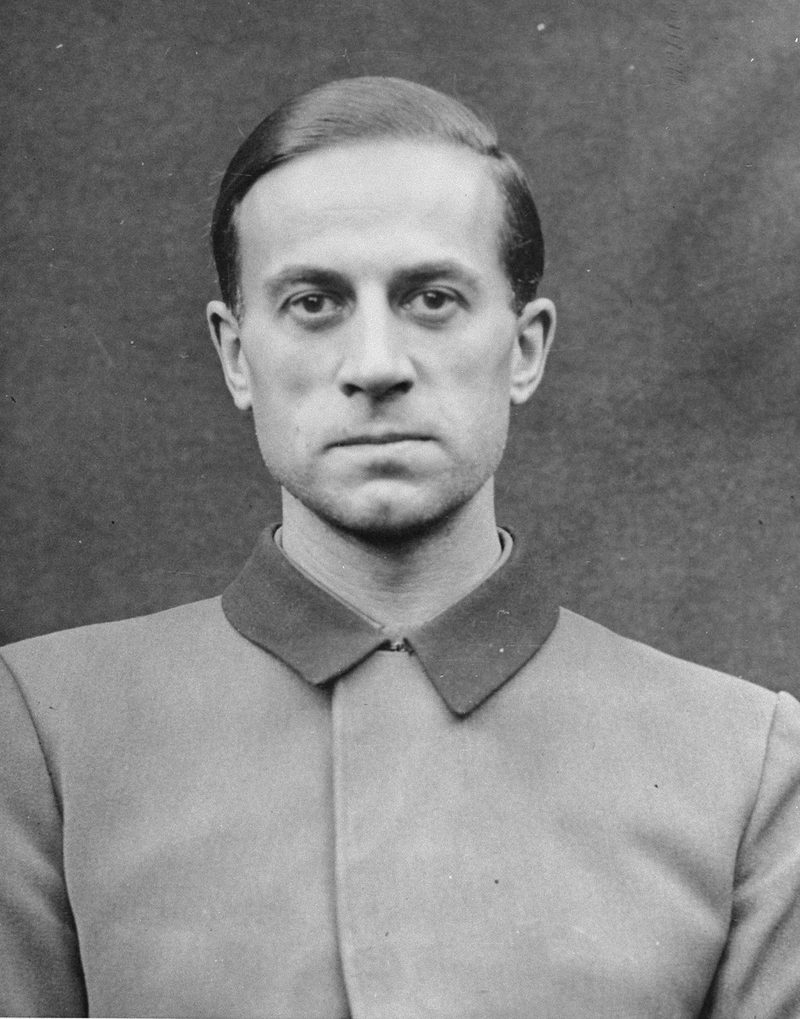 Same disease or problem1939Aktion T4 killings of disabled patientsBuck v Bell let American states sterilize people judged feeble minded, and in Nazi Germany physicians selected disabled patients to be killed. The T4 story shows more than 70,000 people gassed in 1940 and 1941.Read this moment
-
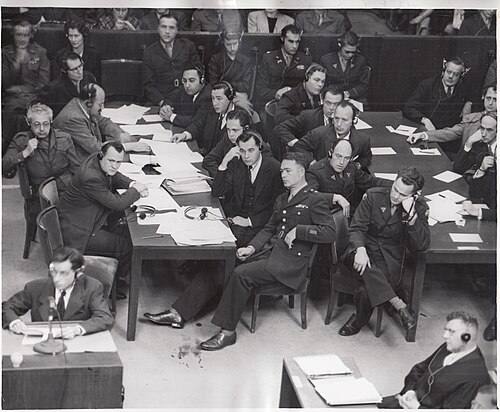 Same disease or problem1947The Nuremberg CodeNazi defendants at Nuremberg cited Buck v Bell in their defense. The Nuremberg Code shows the rules for human research written into the verdict against them.Read this moment