Endocrinology
1926
Liver therapy for pernicious anemia
In 1926 George Minot and William Murphy in Boston reported that daily liver feeding restored the blood of patients with pernicious anemia, until then an almost uniformly fatal disease. Liver extracts followed, and Minot, Murphy and George Whipple shared the 1934 Nobel Prize.
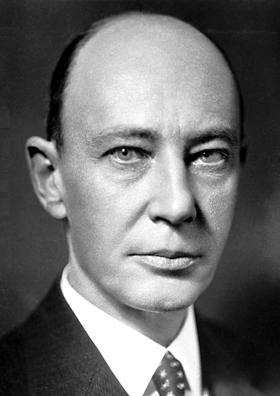
Key people
- George R. Minot
- Boston physician who led the liver feeding studies
- William P. Murphy
- Minot's collaborator at the Peter Bent Brigham Hospital
- George H. Whipple
- Rochester professor whose anemic dogs recovered fastest on liver
Source
George Minot had watched patients with pernicious anemia since his student days at the Massachusetts General Hospital. They passed through relapses and remissions despite arsenic, blood transfusions and removal of the spleen, and all of them eventually died. Because the disease waxed and waned on its own, a few cases could not show whether any treatment worked.
The lead came from dogs. From 1920 George Whipple, who moved from the University of California to Rochester, New York, in 1921, bled dogs to make them anemic and compared how fast different foods rebuilt their blood. Liver worked best, then kidney and meat, and some plant foods such as apricots. Pernicious anemia was thought to be a different disease, caused by a poison acting on the bone marrow, but Minot had come to believe that the immature red cells crowding the marrow lacked something they needed to mature. He and William Murphy decided to try a Whipple-style diet on patients.
After feeding small amounts of liver to a few patients in 1924 and early 1925, they fed it intensively every day, and by May 1926 they had treated 45 patients. Many felt better within about a week. Their main evidence was objective: counts of reticulocytes, the young red cells released from the marrow. Their JAMA paper that August spoke of a special diet, not a liver diet, but the regimen shifted steadily toward liver, and patients had to eat several hundred grams a day, raw or cooked.
Hospitals across the United States and then abroad confirmed the results, and patients whose blood returned to normal stayed well instead of relapsing. The poison theory gave way to the idea that something needed to make red cells was missing and that liver supplied it. Edwin Cohn at Harvard soon made a potent extract to be taken by mouth, and in 1929 Minot's group showed that the active material worked intravenously in tiny amounts. Injectable extracts replaced about 1,500 to 3,000 grams of liver a week with a few cubic centimeters of fluid. In 1928 Castle had shown the part the stomach played in causing the disease.
Minot, Murphy and Whipple shared the 1934 Nobel Prize in Physiology or Medicine for their discoveries concerning liver therapy in anemias.
Keep exploring
 Read next · same disease or problem
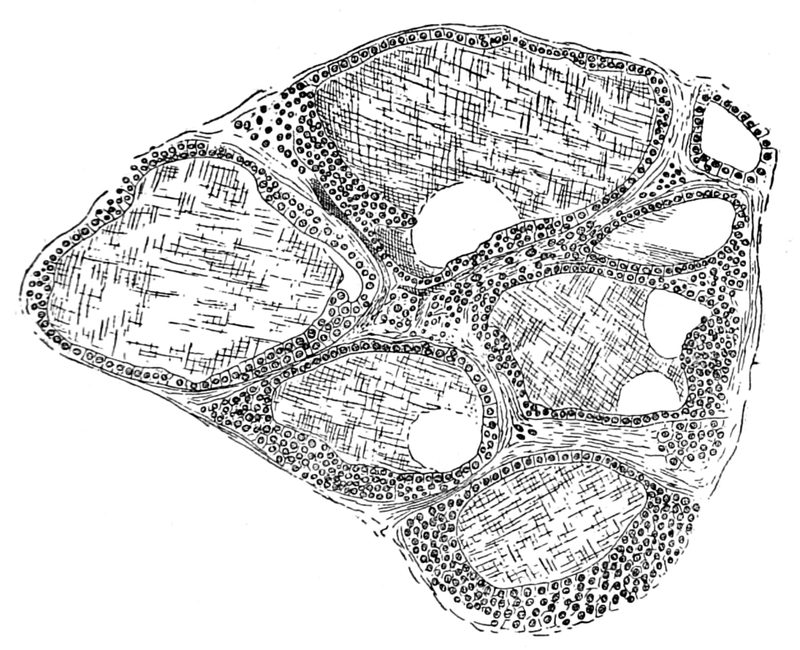
Murray's sheep thyroid extract for myxedema (1891)
Both treated a disease of lack with animal organs, Minot and Murphy with liver and Murray with sheep thyroid. Murray's story shows a woman with myxedema who lived 28 more years on thyroid extract.
Read this moment
Read next · same disease or problem
Murray's sheep thyroid extract for myxedema (1891)
Both treated a disease of lack with animal organs, Minot and Murphy with liver and Murray with sheep thyroid. Murray's story shows a woman with myxedema who lived 28 more years on thyroid extract.
Read this moment
 Today on The Clinical Times
Love to Dream recalls portable baby sound machine over fire and burn risk
Love to Dream has recalled its portable Sleep Machine because its lithium-ion battery can overheat while charging with an incompatible charger, creating a risk of fire and burns.
Read today’s top stories
Today on The Clinical Times
Love to Dream recalls portable baby sound machine over fire and burn risk
Love to Dream has recalled its portable Sleep Machine because its lithium-ion battery can overheat while charging with an incompatible charger, creating a risk of fire and burns.
Read today’s top stories
All 526 moments in the history of medicine. This one is in chapter 5, Cures and codes
Connected moments
How this moment links to others in the history of medicine, and what you will find in each.
-
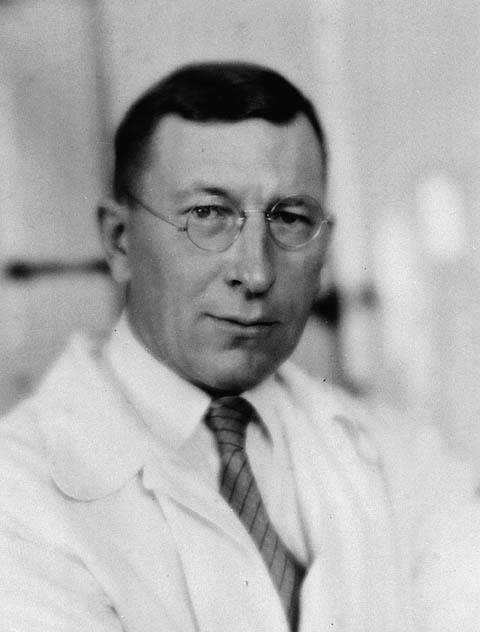 Same disease or problem1922Discovery of InsulinLiver extract and insulin both turned a fatal disease into a treatable one by supplying something the body lacked. The insulin story shows a dying boy's blood sugar brought down by a pancreas extract.Read this moment
-
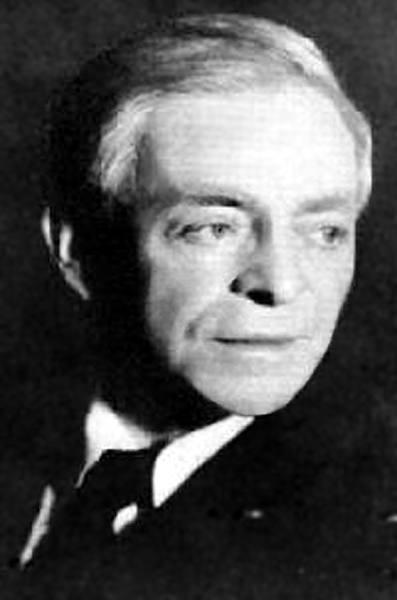 Same disease or problem1912Funk's vitamine (vital amine) hypothesisPernicious anemia came to be seen as a lack of something liver supplied, the kind of deficiency Funk had proposed for beriberi and scurvy. Funk's story shows the vitamine idea that set chemists hunting for such factors.Read this moment