Endocrinology
1891
Murray's sheep thyroid extract for myxedema
In 1891 George Murray of Newcastle injected an extract of sheep thyroid under the skin of a woman with myxedema, and she recovered and lived another 28 years on thyroid. Physicians in Lisbon had reported a thyroid graft and injections a few months earlier.
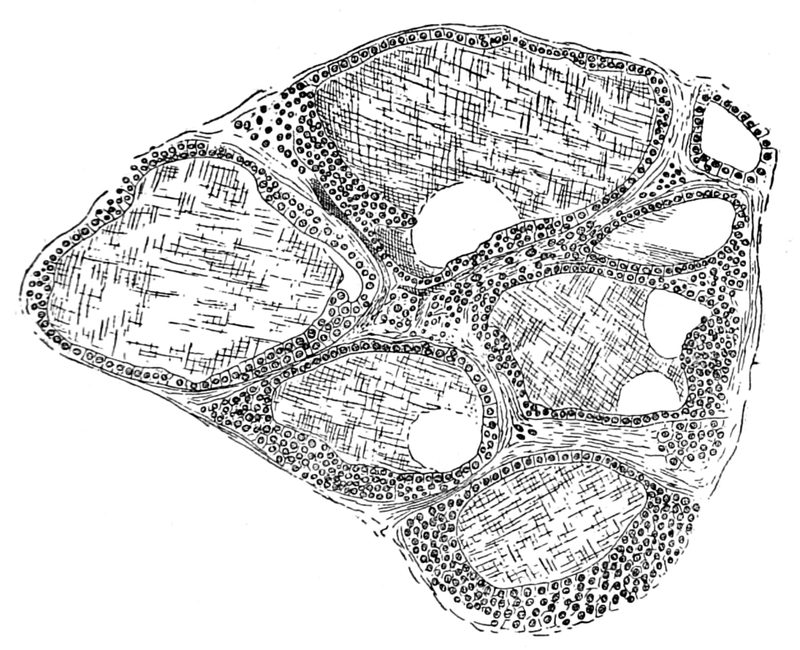
Key people
- George Redmayne Murray
- Newcastle physician who treated myxedema with injected sheep thyroid extract
- Victor Horsley
- Proposed thyroid grafting and advised Murray, his former student
- Antonio-Maria Bettencourt-Rodrigues
- Lisbon physician who reported thyroid injections in November 1890
- Felix Semon
- Proposed in 1883 that myxedema came from loss of the thyroid
Source
In November 1883 Felix Semon told the Clinical Society of London that myxedema, cretinism and the wasting that followed surgical removal of the thyroid all had one cause: loss of the thyroid gland. A committee of the Society agreed in its 1888 report, drawing on Victor Horsley's thyroid removals in monkeys. Replacing the gland was the next idea.
Horsley suggested grafting sheep thyroid. In June 1890 Bettencourt and Serrano in Lisbon put half a sheep's thyroid under the skin below each breast of a patient. The graft seemed to work before it could have gained a blood supply, and they concluded that juice from the gland was being absorbed. On 15 November 1890 Antonio-Maria Bettencourt-Rodrigues reported benefit from thyroid injections to the Lisbon Society of Medical Sciences. That result appeared only as a note in the society's proceedings.
George Murray, three years qualified, knew of the Lisbon graft but apparently not of the injections. On 12 February 1891, advised by Horsley, his former teacher, he proposed to the Northumberland and Durham Medical Society that myxedema be treated with an extract of sheep thyroid given under the skin. The medical college at Newcastle refused to help.
He obtained fresh sheep thyroids from a slaughterhouse. From 13 April 1891 he injected a 46-year-old woman with 1.5 ml of extract twice a week, and within three months she was dramatically better. His note appeared in the BMJ on 10 October 1891. A follow-up in 1892 added three more patients. Two of them improved and then died suddenly of cardiac failure, which Murray took as a warning that patients with weak hearts could die from exertion they were no longer used to. Two patients shown at that year's British Medical Association meeting failed to respond; years later Murray learned that the butcher had supplied thymus, not thyroid.
Other doctors soon reported that thyroid worked by mouth, and Murray moved his first patient to oral extract. She took it for 28 years and died at 74, having used about 5 litres of extract drawn from some 870 sheep.
Keep exploring
 Read next · built on
Kocher's thyroid surgery (1883)
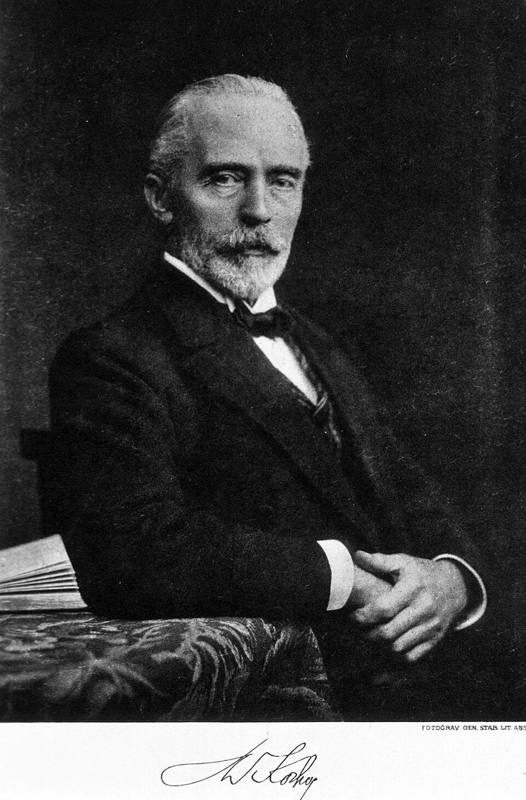
Kocher showed that removing the whole thyroid caused a wasting syndrome, which Semon and Horsley tied to myxedema. Kocher's story shows the surgeon who then left part of the gland behind and won a Nobel Prize.
Read this moment
Read next · built on
Kocher's thyroid surgery (1883)
Kocher showed that removing the whole thyroid caused a wasting syndrome, which Semon and Horsley tied to myxedema. Kocher's story shows the surgeon who then left part of the gland behind and won a Nobel Prize.
Read this moment
 Today on The Clinical Times
Love to Dream recalls portable baby sound machine over fire and burn risk
Love to Dream has recalled its portable Sleep Machine because its lithium-ion battery can overheat while charging with an incompatible charger, creating a risk of fire and burns.
Read today’s top stories
Today on The Clinical Times
Love to Dream recalls portable baby sound machine over fire and burn risk
Love to Dream has recalled its portable Sleep Machine because its lithium-ion battery can overheat while charging with an incompatible charger, creating a risk of fire and burns.
Read today’s top stories
All 526 moments in the history of medicine. This one is in chapter 4, Germs, numbers and clean water
Connected moments
How this moment links to others in the history of medicine, and what you will find in each.
-
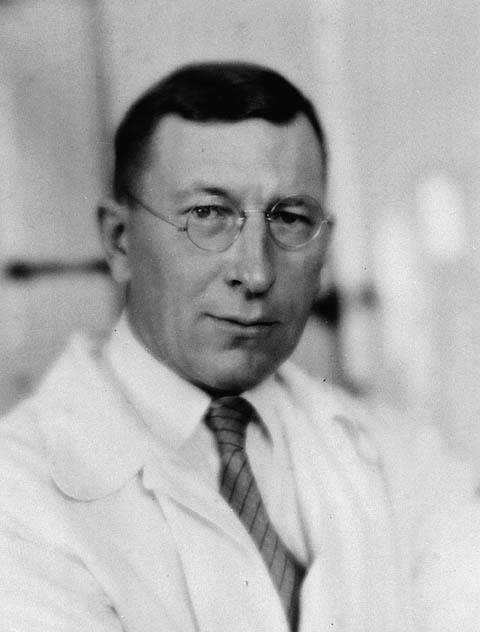 Same disease or problem1922Discovery of InsulinBoth replaced a missing hormone with an extract from animal glands, Murray with sheep thyroid and Banting and Best with pancreas. The insulin story shows the extract that saved a dying boy with diabetes.Read this moment
-
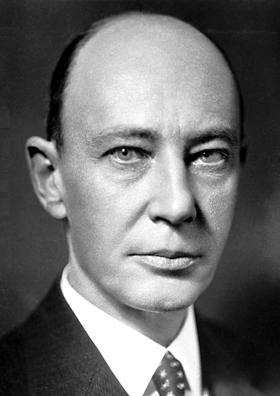 Same disease or problem1926Liver therapy for pernicious anemiaBoth treated a disease of lack with animal organs, Murray with thyroid and Minot and Murphy with liver. Their story shows daily liver feeding rescuing patients from an almost always fatal anemia.Read this moment