Foundational Discovery
c. 1890
Eijkman's polished rice and beriberi
In Batavia, Christiaan Eijkman found that chickens fed polished rice developed a nerve disease like beriberi, which whole rice prevented or cured. A survey of 101 Javanese prisons then tied human beriberi to polished rice.
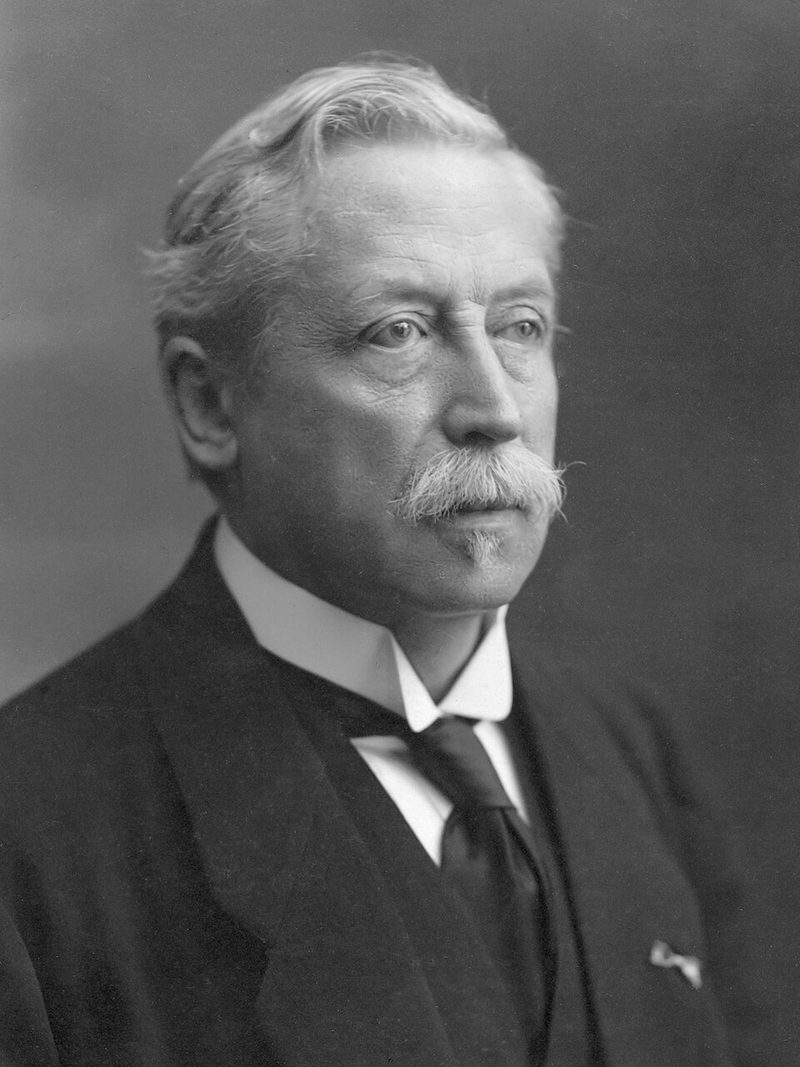
Key people
- Christiaan Eijkman
- Director of the Batavia laboratory who linked polished rice to polyneuritis
- Vorderman
- Medical inspector who surveyed beriberi in 101 Javanese prisons
- Grijns
- Continued the work and found a protective bean
Source
Eijkman C. Antineuritic vitamin and beriberi. Nobel Lecture, 1929. (opens in a new tab)
From about the 1860s beriberi devastated the Malay Archipelago, above all among soldiers, sailors, prisoners and imported laborers. In the long war with the sultanate of Aceh (Achin) the Dutch army and navy suffered severely; one army doctor reported 18 soldiers dying of it at his hospital in a single day. In 1886 the Dutch government sent a commission under Pekelharing and Winkler of the University of Utrecht to find the cause, and an army medical officer, Christiaan Eijkman (1858 to 1930), went as their assistant.
The commissioners were recalled in 1887. Eijkman became the first director of the laboratory they had set up in the military hospital at Batavia, a post he held from 1888 to 1896. There the laboratory chickens developed a polyneuritis much like beriberi. Efforts to show an infection failed, since even control birds kept apart fell ill, and then the disease suddenly cleared up. The laboratory keeper, Eijkman learned, had been feeding the chickens cooked polished rice from the hospital kitchen to save money, until a new cook refused to give military rice to civilian chickens. The birds ate polished rice from 17 June to 27 November; the disease broke out on 10 July and ended in the last days of November.
Feeding trials followed. Chickens on cooked polished rice fell ill after three to four weeks, while controls on unpolished rice stayed healthy, and sick birds could often be cured by changing their diet. Eijkman at first proposed that polished rice contained a toxin absent from whole rice. At his request the medical inspector Vorderman surveyed 101 prisons in Java with almost 300,000 inmates, where local custom set polished rice in some and rough rice in others. Beriberi was some 300 times more common where polished rice was the staple.
Grijns, who continued the work, found that a bean, katjang idju, protected chickens. The Nobel Foundation's biography of Eijkman says his work showed that beriberi came from the lack of a vital substance in the silver skin of the rice grain. In 1929 he shared the Nobel Prize in Physiology or Medicine with Frederick Gowland Hopkins, for the discovery of the antineuritic vitamin.
Keep exploring
 Read next · led to
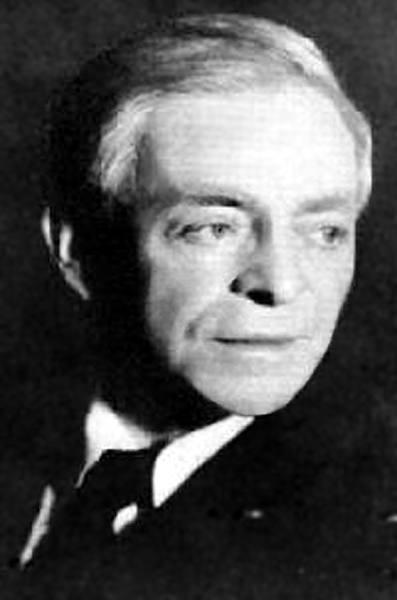
Funk's vitamine (vital amine) hypothesis (1912)
Funk drew on Eijkman's chickens when he proposed that beriberi came from the lack of a vital substance. His story shows the word vitamine coined for such factors and the hunt it set off.
Read this moment
Read next · led to
Funk's vitamine (vital amine) hypothesis (1912)
Funk drew on Eijkman's chickens when he proposed that beriberi came from the lack of a vital substance. His story shows the word vitamine coined for such factors and the hunt it set off.
Read this moment
 Today on The Clinical Times
Love to Dream recalls portable baby sound machine over fire and burn risk
Love to Dream has recalled its portable Sleep Machine because its lithium-ion battery can overheat while charging with an incompatible charger, creating a risk of fire and burns.
Read today’s top stories
Today on The Clinical Times
Love to Dream recalls portable baby sound machine over fire and burn risk
Love to Dream has recalled its portable Sleep Machine because its lithium-ion battery can overheat while charging with an incompatible charger, creating a risk of fire and burns.
Read today’s top stories
All 526 moments in the history of medicine. This one is in chapter 4, Germs, numbers and clean water
Connected moments
How this moment links to others in the history of medicine, and what you will find in each.
-
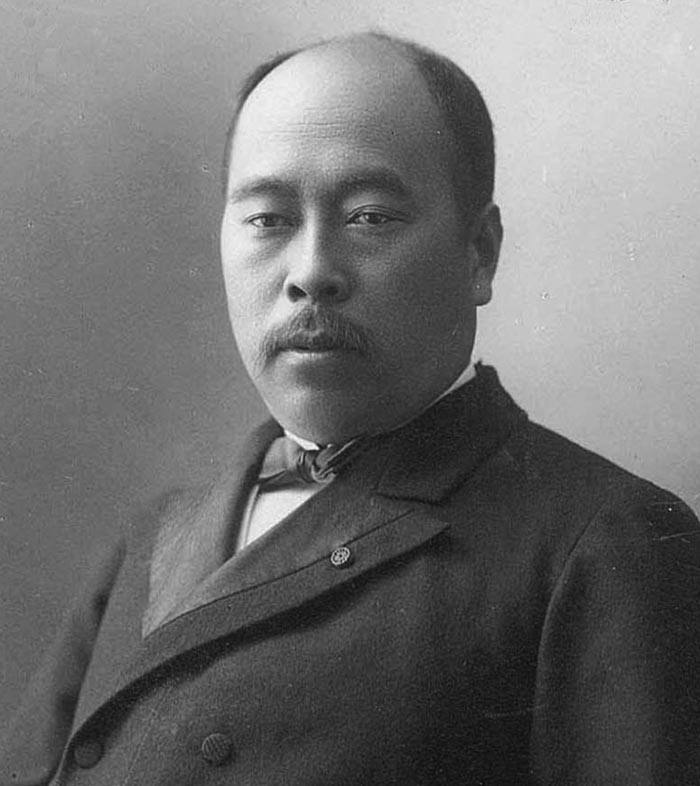 Same disease or problem1884Takaki's navy diet trial against beriberiBoth fought beriberi through diet, Takaki with richer navy rations and Eijkman with unpolished rice. Takaki's story shows one training ship cutting beriberi from 169 cases to 14.Read this moment
-
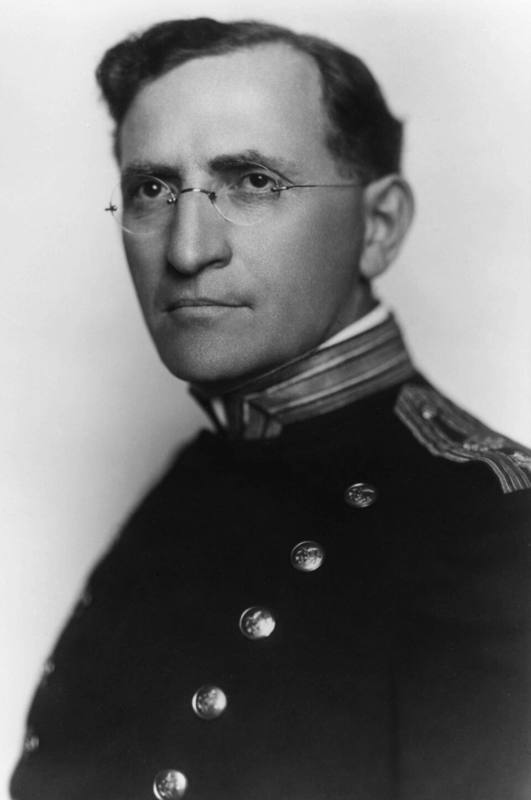 Same disease or problem1914Goldberger's pellagra studiesEijkman first looked for an infection behind beriberi, and pellagra too was widely thought infectious until Goldberger tied it to diet. His story shows a deficiency disease linked to poverty in the American South.Read this moment