Epidemiology
1914
Goldberger's pellagra studies
From 1914 the Public Health Service physician Joseph Goldberger showed that pellagra, widely thought infectious, came from a poor diet tied to poverty. His case stayed disputed until 1937; better diets and niacin-enriched flour nearly ended the disease by the late 1940s.
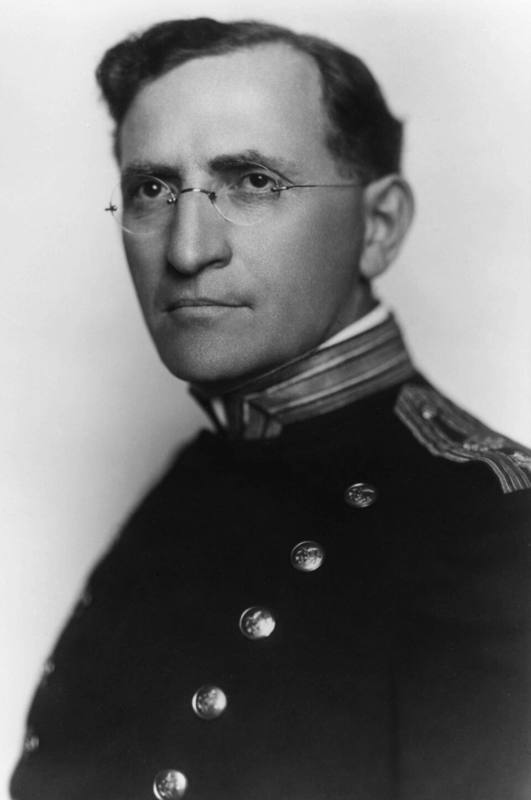
Key people
- Joseph Goldberger
- Public Health Service physician who traced pellagra to diet
- Earl Brewer
- Mississippi governor who offered pardons to prisoners in the diet experiment
Source
Pellagra, the disease of the four Ds (diarrhea, dermatitis, dementia and death), was noticed in the American South after the Civil War. Between 1906 and 1940 about 3 million cases and about 100,000 deaths were attributed to it. Many physicians thought it infectious, and the Thompson-McFadden Commission, after studying cotton mill villages in South Carolina, concluded that it probably was.
In 1914 the Public Health Service put Joseph Goldberger on the problem, and he worked on it until his death in 1929. What he saw in Southern asylums and orphanages turned him toward diet, and he cured some pellagra patients at two orphanages near Jackson, Mississippi, by improving what they ate.
To show that diet alone could cause the disease, he chose the Rankin Prison Farm outside Jackson, where pellagra was absent. Governor Earl Brewer offered the farm's 80 or so convicts a pardon for eating a restricted Southern diet of white flour, corn meal, grits, cornstarch, white rice, cane sugar and syrup, sweet potatoes, pork fat and greens, with no milk, lean meat, eggs or legumes. Brewer picked 12 volunteers, and 11 finished the experiment. On 30 October 1915 Goldberger wrote to his wife that five of them had developed pellagra, and two days later he told the press that an unbalanced diet caused it. The historian Jon Harkness found no record that the organizers weighed the pressure a pardon put on prisoners, apart from the quotation marks Goldberger placed around the word volunteers in one letter.
Goldberger's own Public Health Service investigation in South Carolina mill villages concluded that pellagra came from a dietary deficiency, the opposite of the commission's finding. His view stayed controversial and unconfirmed until 1937. By the end of the 1940s pellagra had nearly vanished from the United States, a decline credited to better diets during the economic recovery of that decade and to the enrichment of flour with niacin.
Keep exploring
 Read next · same disease or problem
Funk's vitamine (vital amine) hypothesis (1912)
Funk proposed that pellagra came from lack of a dietary factor, and Goldberger showed it in prisons and orphanages. Funk's story shows the vitamine idea that set chemists hunting for each factor.
Read this moment
Read next · same disease or problem
Funk's vitamine (vital amine) hypothesis (1912)
Funk proposed that pellagra came from lack of a dietary factor, and Goldberger showed it in prisons and orphanages. Funk's story shows the vitamine idea that set chemists hunting for each factor.
Read this moment
 Today on The Clinical Times
Love to Dream recalls portable baby sound machine over fire and burn risk
Love to Dream has recalled its portable Sleep Machine because its lithium-ion battery can overheat while charging with an incompatible charger, creating a risk of fire and burns.
Read today’s top stories
Today on The Clinical Times
Love to Dream recalls portable baby sound machine over fire and burn risk
Love to Dream has recalled its portable Sleep Machine because its lithium-ion battery can overheat while charging with an incompatible charger, creating a risk of fire and burns.
Read today’s top stories
All 526 moments in the history of medicine. This one is in chapter 5, Cures and codes
Connected moments
How this moment links to others in the history of medicine, and what you will find in each.
-
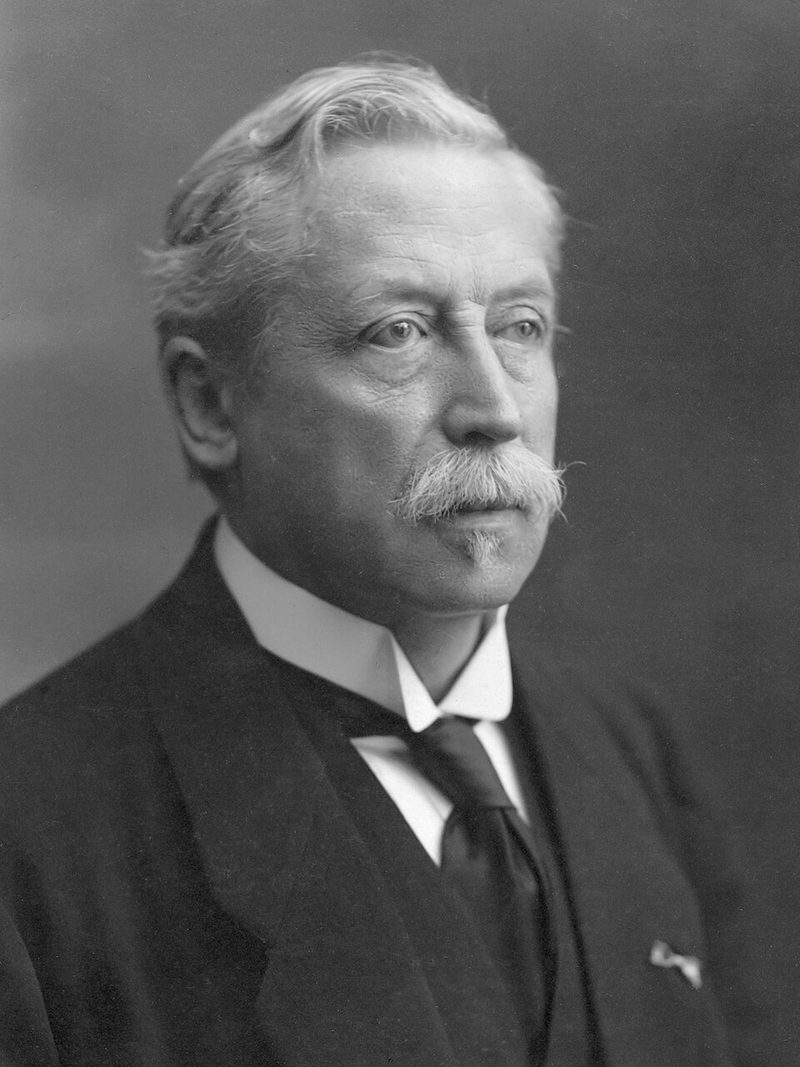 Same disease or problemc. 1890Eijkman's polished rice and beriberiBoth diseases were first thought infectious and then traced to diet, beriberi by Eijkman and pellagra by Goldberger. Eijkman's story shows chickens made ill by polished rice.Read this moment
-
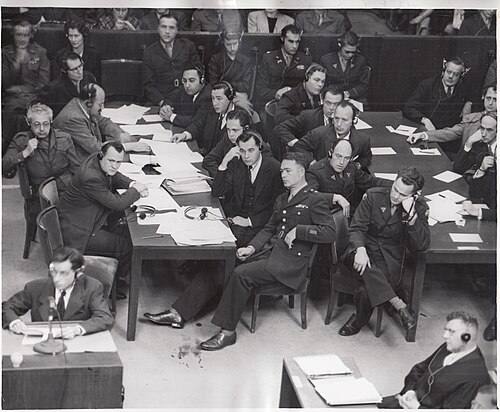 Same disease or problem1947The Nuremberg CodeGoldberger's prisoners were offered pardons to volunteer, pressure no one weighed at the time. The Nuremberg Code shows the rule set down in 1947 that consent must be voluntary.Read this moment