Infectious Disease
1890
Behring and Kitasato's antitoxins
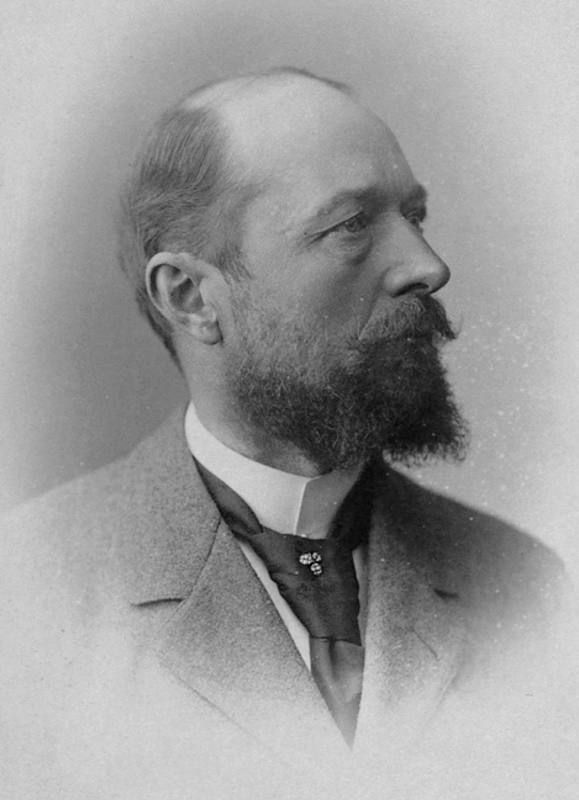
In 1890 Emil von Behring and Shibasaburo Kitasato showed that animals given graded doses of diphtheria or tetanus cultures made antitoxins in their blood, and that this serum could protect or cure other animals. Serum treatment of children with diphtheria followed.
Key people
- Emil von Behring
- Army doctor in Koch's institute who co-discovered antitoxins, 1890
- Shibasaburo Kitasato
- Japanese bacteriologist who co-discovered antitoxins with Behring
- Émile Roux
- Pasteur Institute scientist who showed diphtheria acts through a toxin
Source
Diphtheria filled children's wards, and its victims died of suffocation, paralysis or heart failure. Émile Roux and Alexandre Yersin at the Pasteur Institute in Paris found that diphtheria cultures stayed toxic after the bacteria were filtered out, so the damage came from a toxin. Emil von Behring, an army doctor, had been ordered back to Berlin in 1888 to work as an assistant under Robert Koch.
Behring began by asking whether an infected animal could be disinfected from within, and he injected animals with bacterial material treated with various disinfectants, above all diphtheria and tetanus bacilli. Shibasaburo Kitasato, a Japanese bacteriologist, had studied the tetanus bacillus; one history credits him with identifying it in 1889. In 1890 the two reported that graded doses of sterilized cultures made animals produce substances in their blood that neutralized the bacterial toxins. They called them antitoxins, and they showed that serum from one animal could immunize another and cure an animal already showing diphtheria.
Other workers soon confirmed the findings. According to Hektoen International, the first child treated with diphtheria antitoxin, a seriously ill girl at a Berlin clinic at Christmas 1891, recovered, and serum treatment then spread through Europe and the United States.
In 1901 Behring received the Nobel Prize in Physiology or Medicine. He went on to work with mixtures of toxin and antitoxin: with F. Wernicke in 1898 he found that neutralized toxin could immunize animals against diphtheria, and in 1913 he announced such a mixture for people, later refined into the methods of immunization that largely banished the disease. In 1914 he founded the Behringwerke in Marburg to make sera and vaccines.
Keep exploring
 Read next · led to
Ramon's diphtheria toxoid (1923)
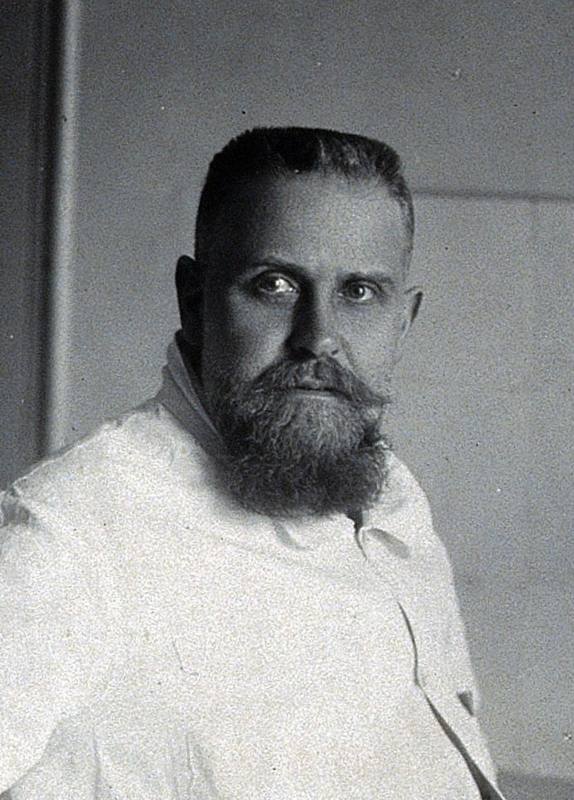
Behring's antitoxin serum cut diphtheria deaths, and his toxin and antitoxin mixtures led the way to Ramon's toxoid vaccine. Ramon's story shows diphtheria toxin made harmless with formalin and heat yet still able to immunize.
Read this moment
Read next · led to
Ramon's diphtheria toxoid (1923)
Behring's antitoxin serum cut diphtheria deaths, and his toxin and antitoxin mixtures led the way to Ramon's toxoid vaccine. Ramon's story shows diphtheria toxin made harmless with formalin and heat yet still able to immunize.
Read this moment
 Today on The Clinical Times
Love to Dream recalls portable baby sound machine over fire and burn risk
Love to Dream has recalled its portable Sleep Machine because its lithium-ion battery can overheat while charging with an incompatible charger, creating a risk of fire and burns.
Read today’s top stories
Today on The Clinical Times
Love to Dream recalls portable baby sound machine over fire and burn risk
Love to Dream has recalled its portable Sleep Machine because its lithium-ion battery can overheat while charging with an incompatible charger, creating a risk of fire and burns.
Read today’s top stories
All 526 moments in the history of medicine. This one is in chapter 4, Germs, numbers and clean water
Connected moments
How this moment links to others in the history of medicine, and what you will find in each.
-
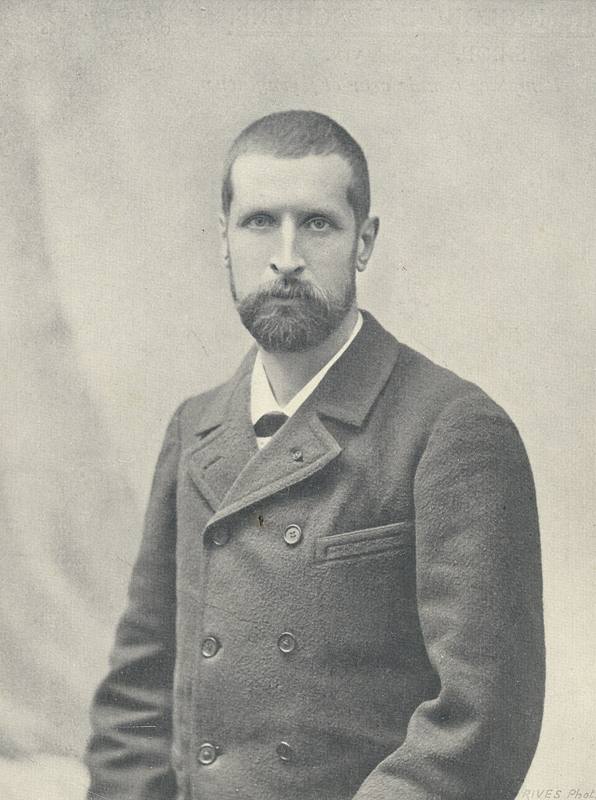 Same person1894Yersin and the plague bacillusShibasaburo Kitasato, Behring's partner on antitoxins, raced Yersin to find the plague bacillus in Hong Kong. Yersin's story shows the bacillus found in patients' buboes and the dispute over who saw it first.Read this moment
-
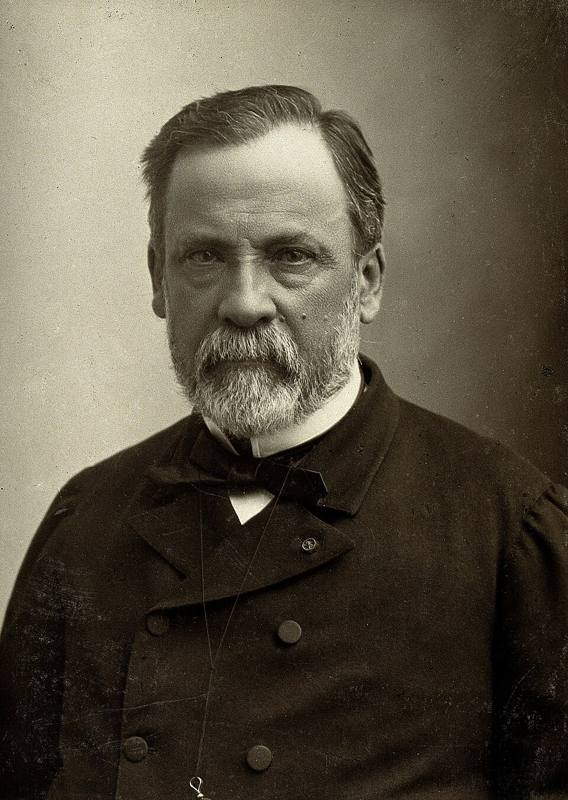 Same person1885Pasteur's rabies vaccineÉmile Roux, who showed diphtheria's toxin, had earlier worked with Pasteur on rabies. The rabies story shows a boy bitten 14 times who never fell ill after Pasteur's injections.Read this moment
-
 Same disease or problem1882Metchnikoff's discovery of phagocytosisBehring found protective antitoxins in the blood, while Metchnikoff found defending cells. His story shows wandering cells walling in thorns in starfish larvae, the start of cellular immunity.Read this moment