Foundational Discovery
1882
Metchnikoff's discovery of phagocytosis
In Messina in 1882 Ilya Metchnikoff pushed thorns into transparent starfish larvae and found them walled in by wandering cells the next day. He proposed that white blood cells defend the body by engulfing and digesting microbes.
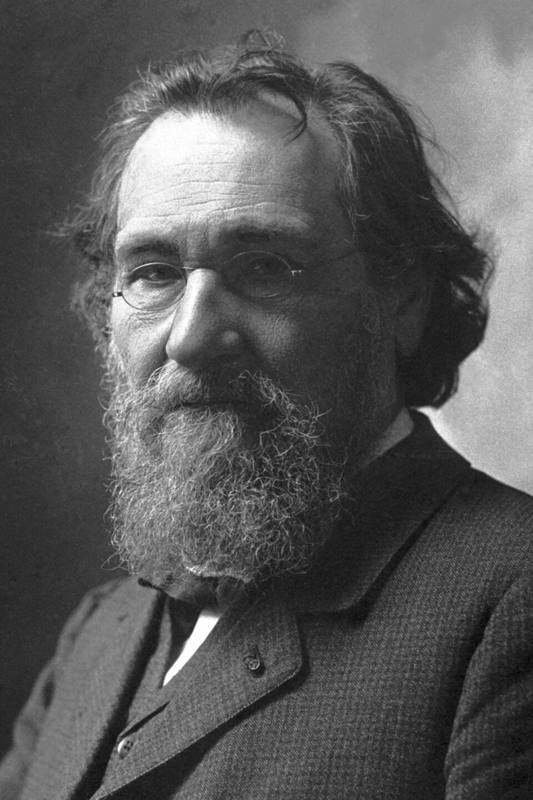
Key people
- Ilya Metchnikoff
- Zoologist who discovered phagocytosis at Messina in 1882
- Claus
- Vienna professor of zoology who suggested the term phagocyte
- Paul Ehrlich
- Shared the 1908 Nobel Prize with Metchnikoff for work on immunity
Source
Ilya Metchnikoff (Mechnikov in the Nobel Prize records), born near Kharkov in 1845, was a zoologist who studied the embryos of invertebrates. In 1882 he resigned his professorship at Odessa over troubles at the university under the reactionary government that followed the assassination of Alexander II. He went to Messina in Sicily and set up a private laboratory to go on with his embryology.
The floating larvae of starfish there are transparent and can be watched alive under the microscope. Metchnikoff had seen in such small animals mobile cells that gathered wherever the body was injured, and he suspected they were a defense. To test the idea he pushed sharp splinters into the larvae; according to his Nobel biography they were thorns from a tangerine tree that had been decorated as a Christmas tree for his children. The next morning a thick layer of moving cells surrounded each splinter. He knew that during inflammation in animals with blood vessels, white blood cells leave the vessels, and it struck him that these cells might take up and digest bacteria that entered the body. A 2016 review notes that he later described the episode as the moment he turned from zoologist into pathologist.
On the way back to Odessa he explained the idea in Vienna to Claus, the professor of zoology there, who suggested the name phagocyte. Metchnikoff gave his first paper on phagocytosis at Odessa in 1883. He then found that the phagocytes of the water flea Daphnia attacked the fungal spores that infected it, and that phagocytes attacked the weaker strains of anthrax bacilli but not the more virulent ones.
His theory of cellular immunity met considerable hostility. In 1888 he went to Paris, where Pasteur gave him a laboratory at the Pasteur Institute, and he stayed there for the rest of his life; his treatise Immunity in Infectious Diseases appeared in 1901. In 1908 he shared the Nobel Prize in Physiology or Medicine with Paul Ehrlich, in recognition of their work on immunity. The two are counted as pioneers of cellular and humoral immunology respectively.
Keep exploring
 Read next · same person
Ehrlich's Salvarsan for Syphilis (1910)
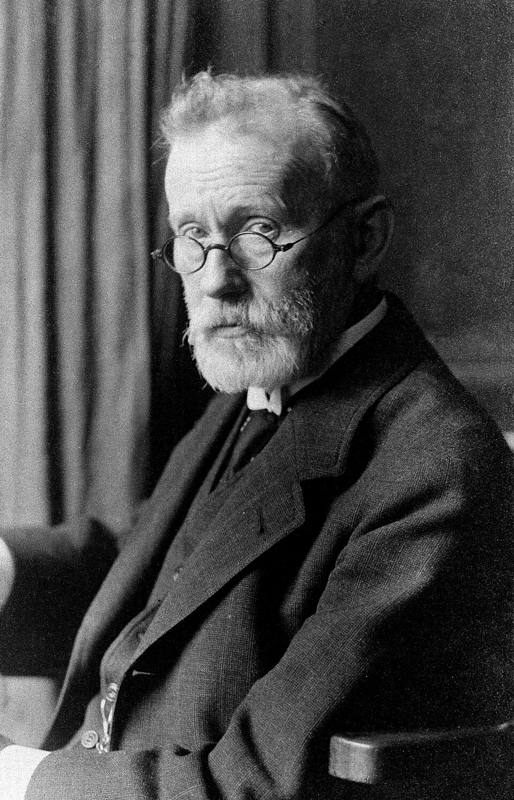
Metchnikoff shared the 1908 Nobel Prize with Paul Ehrlich for their work on immunity. Ehrlich's story shows his magic bullet, Salvarsan, a synthetic drug made to attack one microbe.
Read this moment
Read next · same person
Ehrlich's Salvarsan for Syphilis (1910)
Metchnikoff shared the 1908 Nobel Prize with Paul Ehrlich for their work on immunity. Ehrlich's story shows his magic bullet, Salvarsan, a synthetic drug made to attack one microbe.
Read this moment
 Today on The Clinical Times
Love to Dream recalls portable baby sound machine over fire and burn risk
Love to Dream has recalled its portable Sleep Machine because its lithium-ion battery can overheat while charging with an incompatible charger, creating a risk of fire and burns.
Read today’s top stories
Today on The Clinical Times
Love to Dream recalls portable baby sound machine over fire and burn risk
Love to Dream has recalled its portable Sleep Machine because its lithium-ion battery can overheat while charging with an incompatible charger, creating a risk of fire and burns.
Read today’s top stories
All 526 moments in the history of medicine. This one is in chapter 4, Germs, numbers and clean water
Connected moments
How this moment links to others in the history of medicine, and what you will find in each.
-
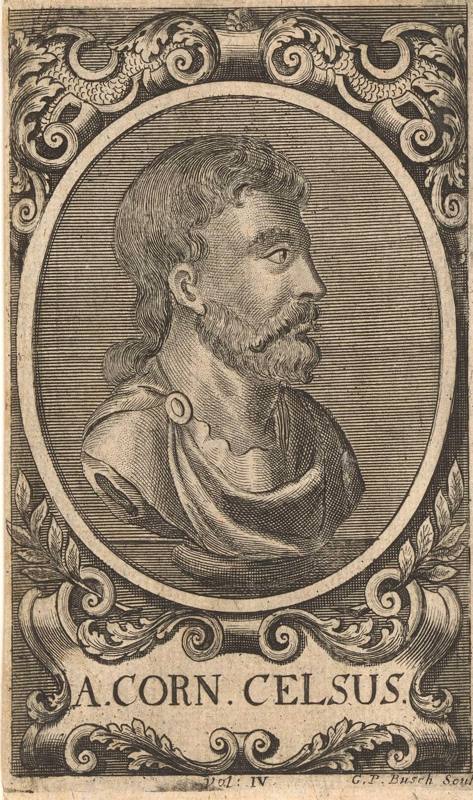 Same disease or problemc. 30 CECelsus's De MedicinaCelsus named the four signs of inflammation, and Metchnikoff saw white cells gather at an injury to fight invaders. Celsus's story shows the Roman encyclopedia of medicine that set down those signs.Read this moment
-
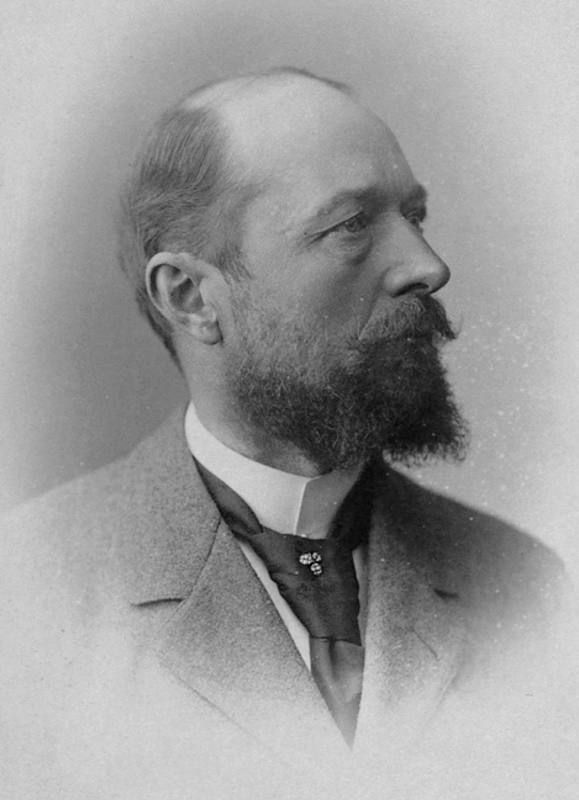 Same disease or problem1890Behring and Kitasato's antitoxinsMetchnikoff found that cells defend the body, while Behring and Kitasato found protective antitoxins in the blood. Their story shows serum from immunized animals used to treat children with diphtheria.Read this moment