Infectious Disease
1910
Ehrlich's Salvarsan for Syphilis
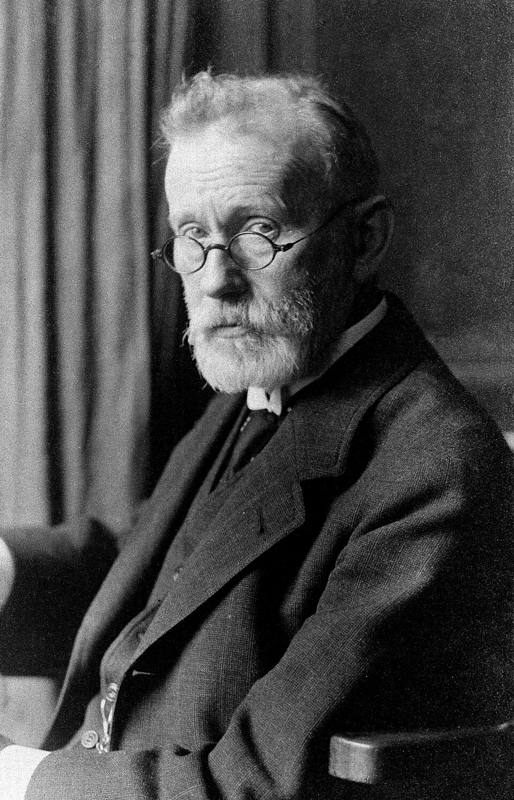
Marketed in 1910, Paul Ehrlich's arsenic compound 606, sold as Salvarsan, was the first magic bullet: a synthetic drug made to attack one microbe, the spirochete of syphilis. Ehrlich coined the word chemotherapy for the approach.
Key people
- Paul Ehrlich
- Head of the Georg Speyer Haus; coined 'chemotherapy' and 'magic bullet'
- Sahashiro Hata
- Bacteriologist whose repeat tests showed compound 606 worked
- Alfred Bertheim
- Organic chemist on Ehrlich's arsenic compound team
Source
Paul Ehrlich wanted chemicals that would seek out one kind of microbe and spare the patient. He called the idea chemotherapy and the ideal drug a magic bullet. In 1906 he moved his laboratory to the Georg Speyer Haus near Frankfurt, close to the dye manufacturers, and his team began working through arsenic compounds, starting from one called atoxyl.
The team included the organic chemist Alfred Bertheim and the bacteriologist Sahashiro Hata, and it widened the search to spirochetes, recently identified as the cause of syphilis. Some 300 syntheses and three years later came arsphenamine, the 606th preparation tested in Ehrlich's laboratory. Two assistants had set it aside as useless. Hata repeated the tests and found it better than every other drug tried, and Ehrlich was angry about the earlier dismissal. It was tried first in rabbits infected with syphilis and then in patients, including some with the dementia of the disease's final stage, several of whom recovered.
Ehrlich did not release it at once. He arranged carefully recorded clinical studies by a small group of doctors, among them Konrad Alt at Uchtspringe, and some 65,000 doses had been given to more than 20,000 patients before the drug went on sale as Salvarsan in 1910.
It was a difficult drug. It came as a fine yellow powder that had to be packed under carbon dioxide to keep it from oxidizing, fever and rigors sometimes followed an injection, there were fatal cases, and when war cut off German supplies, the quality of British and French versions was disputed. Ehrlich's compound 914, Neosalvarsan, was more soluble and contained less arsenic. Salvarsan was used against syphilis until the 1940s.
Keep exploring
 Read next · same person
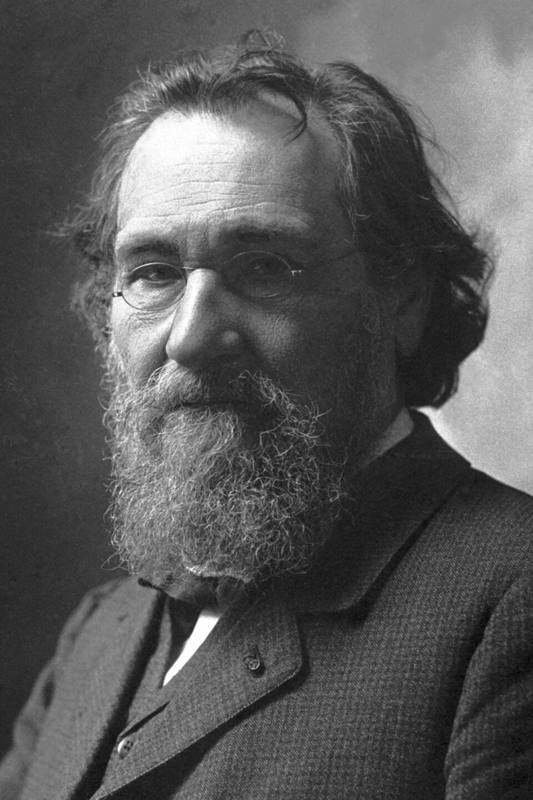
Metchnikoff's discovery of phagocytosis (1882)
Paul Ehrlich shared the 1908 Nobel Prize with Metchnikoff for their work on immunity. Metchnikoff's story shows wandering cells gathering around thorns in starfish larvae.
Read this moment
Read next · same person
Metchnikoff's discovery of phagocytosis (1882)
Paul Ehrlich shared the 1908 Nobel Prize with Metchnikoff for their work on immunity. Metchnikoff's story shows wandering cells gathering around thorns in starfish larvae.
Read this moment
 Today on The Clinical Times
Love to Dream recalls portable baby sound machine over fire and burn risk
Love to Dream has recalled its portable Sleep Machine because its lithium-ion battery can overheat while charging with an incompatible charger, creating a risk of fire and burns.
Read today’s top stories
Today on The Clinical Times
Love to Dream recalls portable baby sound machine over fire and burn risk
Love to Dream has recalled its portable Sleep Machine because its lithium-ion battery can overheat while charging with an incompatible charger, creating a risk of fire and burns.
Read today’s top stories
All 526 moments in the history of medicine. This one is in chapter 5, Cures and codes
Connected moments
How this moment links to others in the history of medicine, and what you will find in each.
-
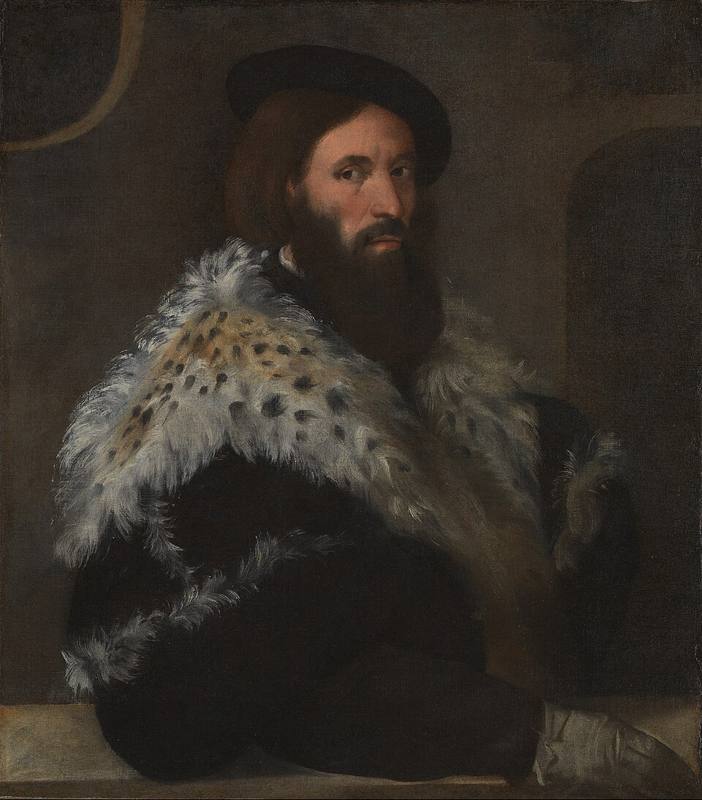 Same disease or problem1495The 1495 syphilis epidemic at NaplesSalvarsan was the first drug made to attack the microbe behind the disease that appeared at Naples in 1495. The Naples story shows syphilis spreading across Europe with disbanded mercenaries.Read this moment
-
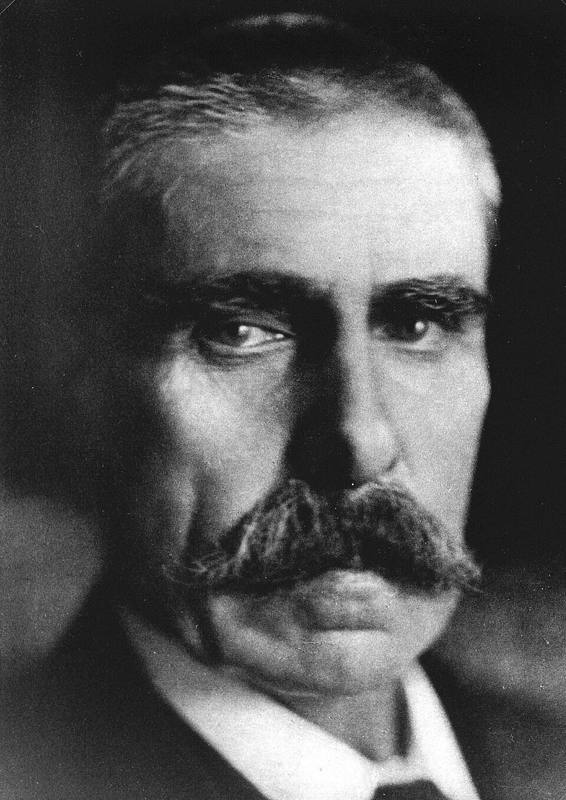 Same disease or problem1917Wagner-Jauregg's malaria therapy for neurosyphilisSalvarsan did little for syphilis of the brain, which led Wagner-Jauregg to try fever from malaria. His story shows the Nobel winning treatment that gave some patients remission.Read this moment
-
 Same disease or problem1935Prontosil and the Sulfonamide DrugsBoth were synthetic chemicals made to kill microbes inside the body, Salvarsan against syphilis and Prontosil against streptococci. The Prontosil story shows the first sulfa drug and the family that followed.Read this moment