Public Health
1910
Alice Hamilton and industrial toxicology
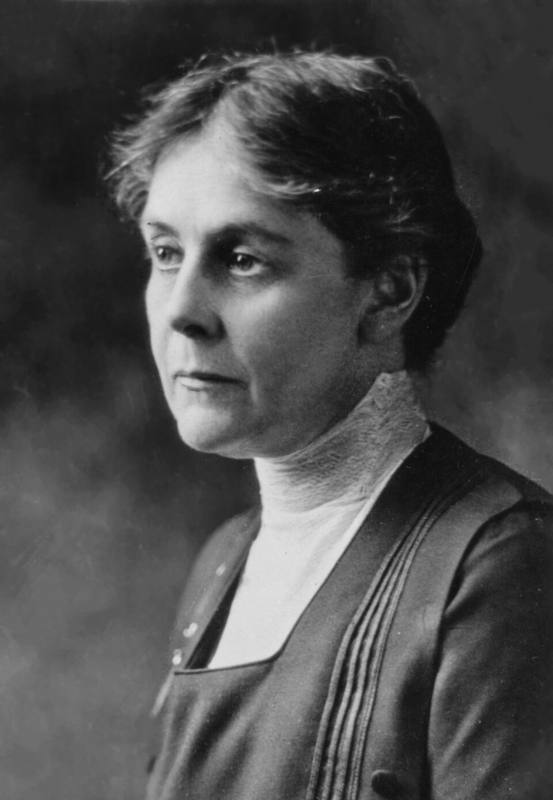
From 1910 the Chicago physician Alice Hamilton surveyed lead and other industrial poisons for Illinois and then the federal Bureau of Labor, tracing poisoning through factory visits, hospital records and interviews with workers. Her reports led to state laws and changed dangerous factory processes.
Key people
- Alice Hamilton
- Physician who investigated industrial poisons for Illinois and the Bureau of Labor
- Charles P. Neill
- Federal Commissioner of Labor who hired her for national lead studies
Source
In September 1910, at an international congress on occupational diseases in Brussels, the Belgian delegate said that industrial hygiene in the United States did not exist. Alice Hamilton was attending the congress as chief medical examiner of the Illinois Commission on Occupational Diseases. A University of Michigan medical graduate of 1893, she had moved to Chicago in 1897 and soon settled at Hull House, Jane Addams's settlement, where she treated immigrants for illnesses that often came from their work. When she began reading on the subject in 1907, she had to turn to British and European writing.
Governor Charles Deneen had appointed her the only woman on the Illinois commission, the first such body in the country, and she directed its survey, taking the lead trades as her own. Her team visited factories, read hospital records and questioned labor leaders and druggists, and found more than 70 industrial processes that exposed workers to lead, among them polishing cut glass and wrapping cigars in lead foil. A Polish worker with colic and double wrist drop led Hamilton to a plant where enamel was sprinkled onto red-hot bathtubs; a sample held as much as 20 percent soluble lead. In 1911 Illinois passed an occupational disease law requiring safety measures, monthly medical examinations in dangerous trades and the reporting of cases.
Charles Neill, the federal Commissioner of Labor, met her in Brussels and asked her to do the same work nationally. In the first half of 1911 she covered 23 of the 25 known white-lead factories; one owner refused her entry, so she questioned his workmen instead. She traced 358 cases of lead poisoning, 16 of them fatal, in 16 months, among a regular workforce of about 1,600 men, and judged the figures an undercount. Studies of pottery, painting, rubber, explosives and aniline dyes followed, and Neill's successor, Royal Meeker, credited them with persuading makers of lead paints, pottery, tile and storage batteries to change their most dangerous processes.
In 1919 Harvard Medical School appointed her assistant professor in its new Department of Industrial Medicine, the first woman on its faculty. She was barred from the Faculty Club, football tickets and the commencement procession, and was never promoted before retiring in 1935. She died on 22 September 1970, aged 101. Three months later Congress passed the Occupational Safety and Health Act.
Keep exploring
 Read next · same disease or problem
Ramazzini's Diseases of Workers (1700)
Both went into workplaces to find what was making workers ill, Ramazzini in 40 trades and Hamilton in American factories. Ramazzini's story shows the first comprehensive book on occupational disease.
Read this moment
Read next · same disease or problem
Ramazzini's Diseases of Workers (1700)
Both went into workplaces to find what was making workers ill, Ramazzini in 40 trades and Hamilton in American factories. Ramazzini's story shows the first comprehensive book on occupational disease.
Read this moment
 Today on The Clinical Times
Love to Dream recalls portable baby sound machine over fire and burn risk
Love to Dream has recalled its portable Sleep Machine because its lithium-ion battery can overheat while charging with an incompatible charger, creating a risk of fire and burns.
Read today’s top stories
Today on The Clinical Times
Love to Dream recalls portable baby sound machine over fire and burn risk
Love to Dream has recalled its portable Sleep Machine because its lithium-ion battery can overheat while charging with an incompatible charger, creating a risk of fire and burns.
Read today’s top stories
All 526 moments in the history of medicine. This one is in chapter 5, Cures and codes
Connected moments
How this moment links to others in the history of medicine, and what you will find in each.
-
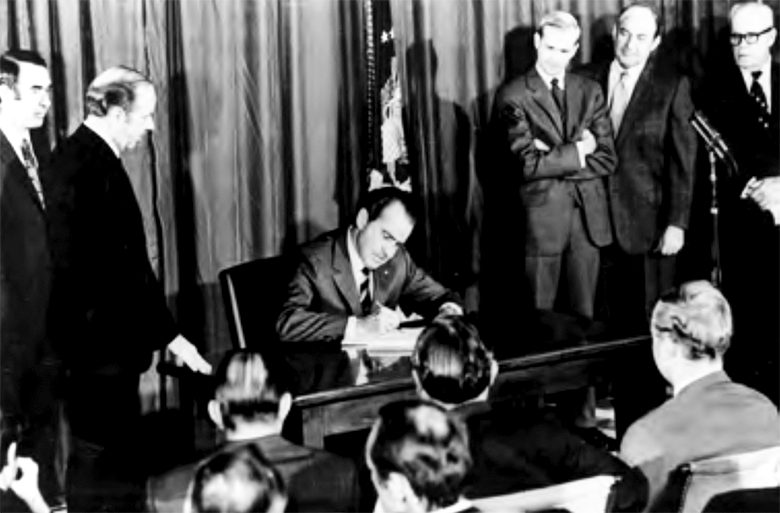 Same disease or problem1970The Occupational Safety and Health Act of 1970Hamilton spent her life on dangerous workplaces, and three months after her death Congress passed the Occupational Safety and Health Act. That story shows federal power to set and enforce workplace standards.Read this moment
-
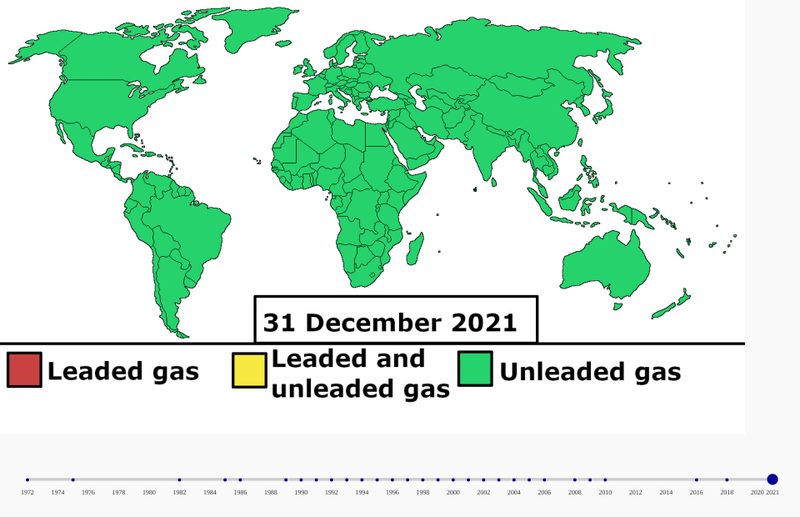 Same disease or problem1973Phasing lead out of gasolineHamilton traced lead poisoning in factories, and in 1973 the EPA began removing lead from gasoline. That story shows average blood lead in Americans falling 78 percent.Read this moment
-
 Same disease or problem2014The Flint water crisisHamilton fought lead poisoning among workers, and Flint's water exposed children to lead a century later. The Flint story shows the share of young children with high blood lead roughly doubling.Read this moment