Public Health
1970
The Occupational Safety and Health Act of 1970
Signed on 29 December 1970 and in force from 28 April 1971, the Occupational Safety and Health Act gave the federal government power to set and enforce safety and health standards for most American workers, through a new agency, OSHA.
Key people
- Richard Nixon
- President who signed the act on 29 December 1970
- Harrison Williams
- New Jersey senator who sponsored the Senate bill
- William A. Steiger
- Wisconsin congressman whose name the act shares
- Jacob Javits
- Senator whose compromise created a separate review commission
Source
In January 1968 President Lyndon Johnson asked Congress for a job safety and health program, calling it shameful for a modern industrial nation that more than 14,000 workers were killed and 2.2 million injured at work each year. He cited weak standards, lagging research, poor enforcement and a patchwork of federal laws. The bill failed, with the U.S. Chamber of Commerce leading the opposition.
President Richard Nixon then offered a bill that put a special safety and health board, not the Labor Department, in charge, and the Chamber and the National Association of Manufacturers backed it. Democrats, among them Senator Harrison Williams of New Jersey and Representative James O'Hara of Michigan, pushed bills close to Johnson's. After the 1970 elections Senator Jacob Javits of New York proposed a compromise: the Secretary of Labor would set and enforce standards, and a separate commission would hear appeals from those who disagreed. The House passed a substitute from Representative William Steiger of Wisconsin, but in December the conference committee took the Senate bill almost unchanged, dropping only the Secretary's power to close a plant in imminent danger.
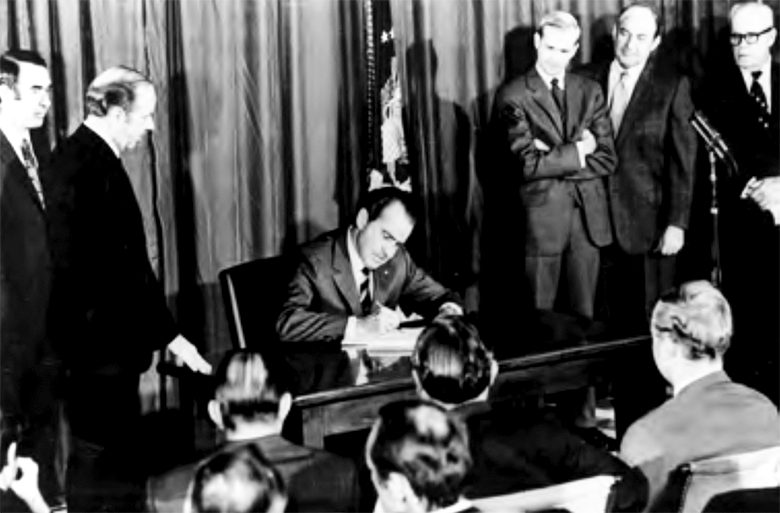
Nixon signed the act on 29 December 1970 at a ceremony at the Labor Department attended by AFL-CIO president George Meany and business leaders. The Occupational Safety and Health Administration came into being in the Department of Labor on 28 April 1971 and absorbed the Bureau of Labor Standards three days later. It adopted many privately developed standards in haste that year, and its early inspectors were attacked as nitpickers. About half the states eventually ran OSHA-approved plans of their own. According to the CDC, the Federal Coal Mine Health and Safety Act of 1969 was the model for the 1970 law.
Deaths at work had been falling for decades. National Safety Council data show deaths from unintentional work injuries dropping from 37 to 4 per 100,000 workers between 1933 and 1997. Death certificate data compiled by the CDC show the rate falling from 7.5 to 4.3 per 100,000 workers between 1980 and 1995.
Keep exploring
 Read next · same disease or problem
Ramazzini's Diseases of Workers (1700)
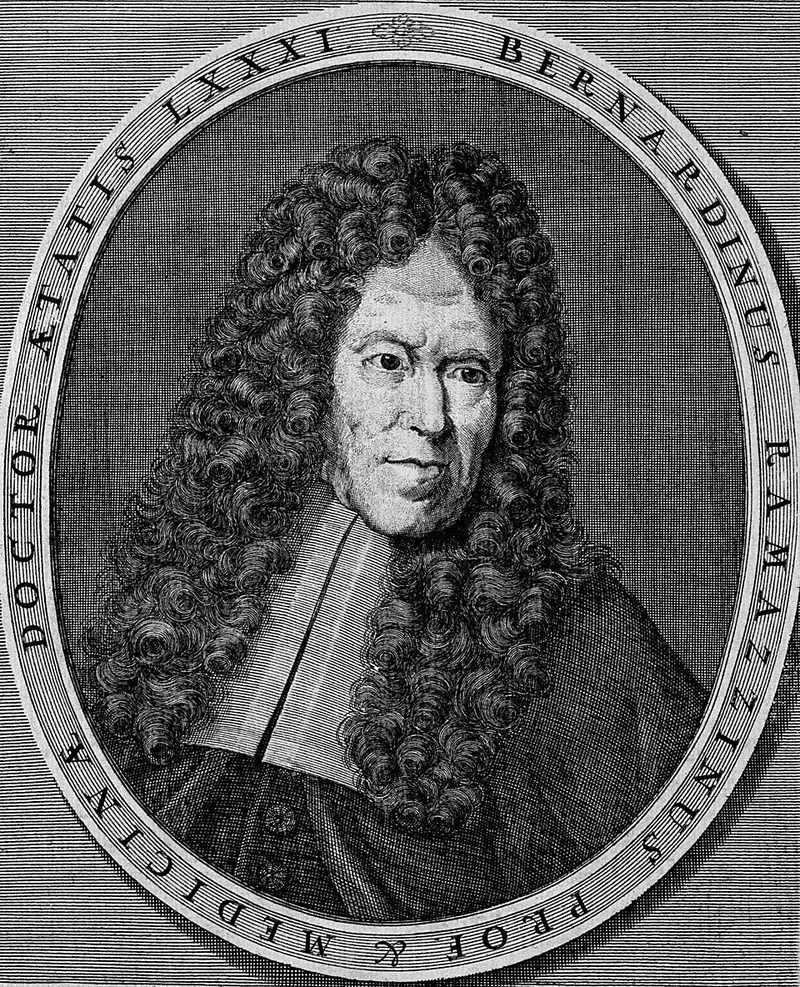
Ramazzini argued in 1700 that workers should be told of their trade's hazards and protected, and OSHA made protection federal law. His entry shows the diseases of workers in some 40 occupations, described in detail.
Read this moment
Read next · same disease or problem
Ramazzini's Diseases of Workers (1700)
Ramazzini argued in 1700 that workers should be told of their trade's hazards and protected, and OSHA made protection federal law. His entry shows the diseases of workers in some 40 occupations, described in detail.
Read this moment
 Today on The Clinical Times
Love to Dream recalls portable baby sound machine over fire and burn risk
Love to Dream has recalled its portable Sleep Machine because its lithium-ion battery can overheat while charging with an incompatible charger, creating a risk of fire and burns.
Read today’s top stories
Today on The Clinical Times
Love to Dream recalls portable baby sound machine over fire and burn risk
Love to Dream has recalled its portable Sleep Machine because its lithium-ion battery can overheat while charging with an incompatible charger, creating a risk of fire and burns.
Read today’s top stories
All 526 moments in the history of medicine. This one is in chapter 6, Trials, scanners and rights
Connected moments
How this moment links to others in the history of medicine, and what you will find in each.
-
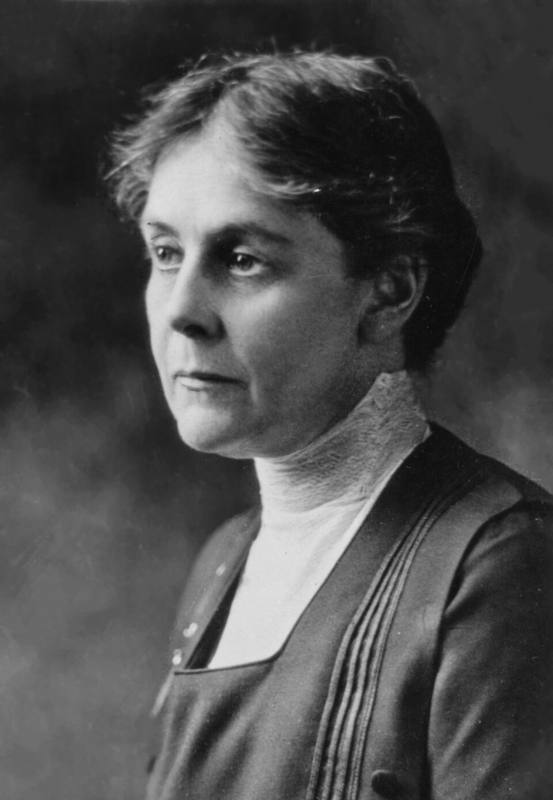 Same disease or problem1910Alice Hamilton and industrial toxicologyHamilton's surveys of lead and other industrial poisons led to state laws, and OSHA later set national standards for most workers. Her entry shows how she traced poisoning through factory visits, hospital records and interviews with workers.Read this moment
-
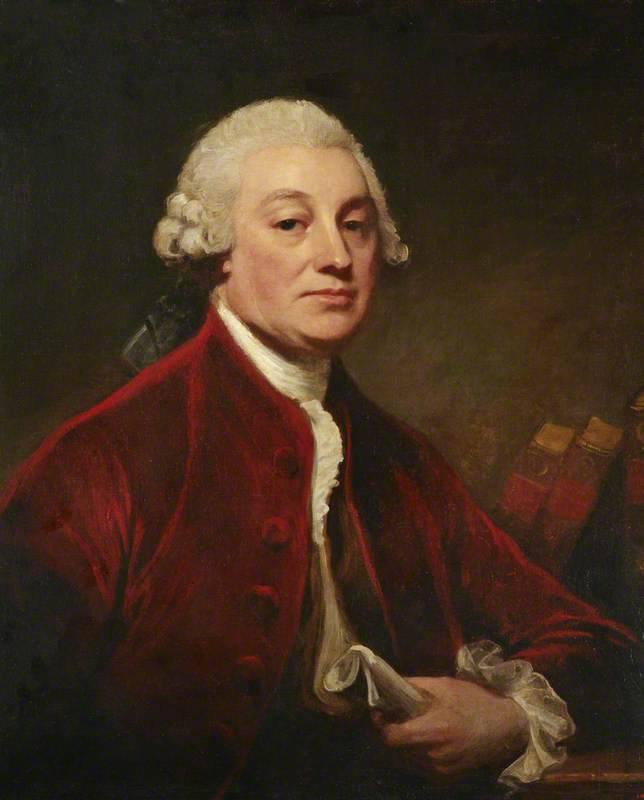 Same disease or problem1775Pott's account of chimney sweeps' cancerBoth concern disease caused by a person's work, which OSHA set out to prevent through enforceable standards. Pott's entry shows the first description of an occupational cancer, in chimney sweeps exposed to soot.Read this moment