Public Health
1970
The Clean Air Act of 1970
The 1970 law made air pollution control a national responsibility, requiring health-based air quality standards, state plans to meet them and deadlines for cleaner cars, and letting citizens sue to enforce it. EPA estimated that it prevented 205,000 early deaths in 1990 alone.
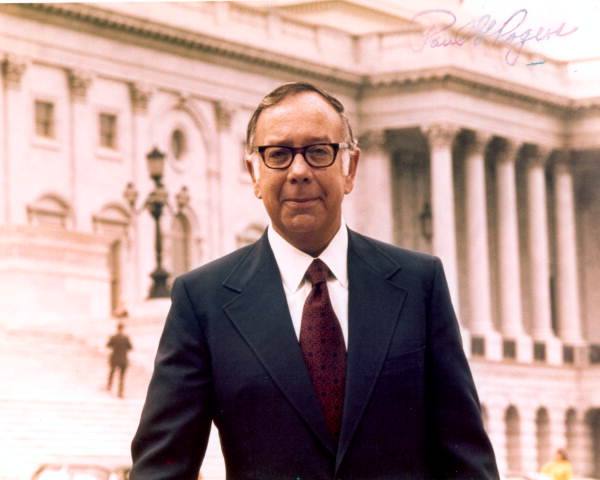
Key people
- Paul G. Rogers
- Chair of the House health subcommittee during the 1970 debate
Source
Congress had acted on air pollution before. The Air Pollution Control Act of 1955 was the first federal law on the subject, the Clean Air Act of 1963 the first on its control, and the Air Quality Act of 1967 widened the federal role. Under the 1967 law, by 1970 fewer than three dozen air quality regions had been designated, against more than 100 expected.
The Clean Air Amendments of 1970, Public Law 91-604, were enacted on 31 December 1970. The Environmental Protection Agency, created on 2 December to carry out such laws, was to publish national primary air quality standards set, with an adequate margin of safety, at levels needed to protect public health. States had to write plans to meet them. The law added performance standards for new stationary sources of pollution and national standards for hazardous air pollutants. Light-duty vehicles of model year 1975 had to emit at least 90 percent less carbon monoxide and hydrocarbons than the 1970 standards allowed, with a similar cut in nitrogen oxides for 1976. Any person could sue to enforce the act, including against the United States.
Paul Rogers, who chaired the House health subcommittee during the debate, wrote in 1990 that the fixed deadlines were a deliberate answer to years of inaction under the 1967 law. The deadlines were extended, and for the most part the national standards were not attained. Amendments in 1977 added rules for areas that met or failed the standards, and those of 1990 widened the program again.
EPA's peer-reviewed 1997 report to Congress concluded that reductions under the act prevented 205,000 early deaths in 1990 alone. Between 1970 and 2020 combined emissions of the six common pollutants fell by 78 percent, and new cars, SUVs and pickup trucks are about 99 percent cleaner for common pollutants than 1970 models. Lead in gasoline was phased out under the act's authority.
Keep exploring
 Read next · same disease or problem
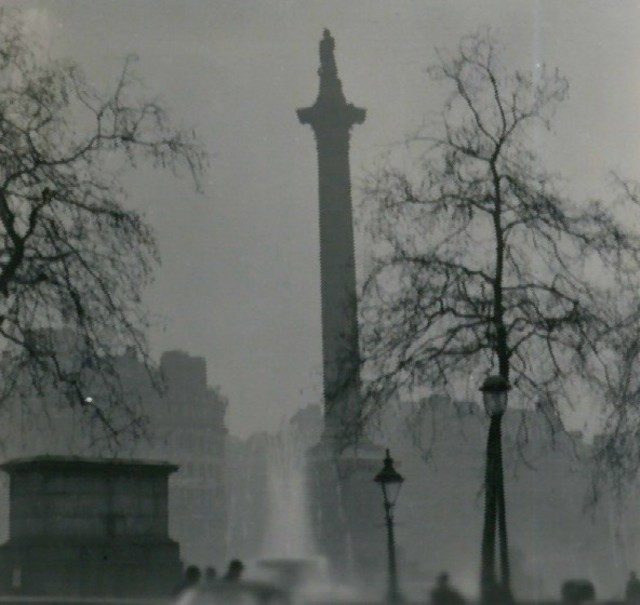
The Great Smog of London (1952)
Both confronted deadly air pollution with national law, Britain after 1952 and the United States in 1970. The smog entry shows coal smoke trapped over London killing thousands in five days.
Read this moment
Read next · same disease or problem
The Great Smog of London (1952)
Both confronted deadly air pollution with national law, Britain after 1952 and the United States in 1970. The smog entry shows coal smoke trapped over London killing thousands in five days.
Read this moment
 Today on The Clinical Times
Love to Dream recalls portable baby sound machine over fire and burn risk
Love to Dream has recalled its portable Sleep Machine because its lithium-ion battery can overheat while charging with an incompatible charger, creating a risk of fire and burns.
Read today’s top stories
Today on The Clinical Times
Love to Dream recalls portable baby sound machine over fire and burn risk
Love to Dream has recalled its portable Sleep Machine because its lithium-ion battery can overheat while charging with an incompatible charger, creating a risk of fire and burns.
Read today’s top stories
All 526 moments in the history of medicine. This one is in chapter 6, Trials, scanners and rights
Connected moments
How this moment links to others in the history of medicine, and what you will find in each.
-
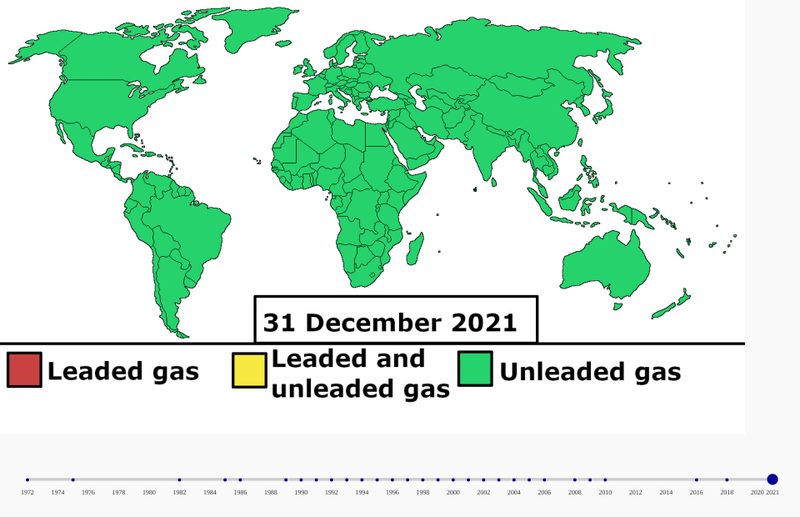 Led to1973Phasing lead out of gasolineLead was phased out of gasoline under the Clean Air Act's authority. That entry shows lead in gasoline falling 99.8 percent and average blood lead falling 78 percent.Read this moment
-
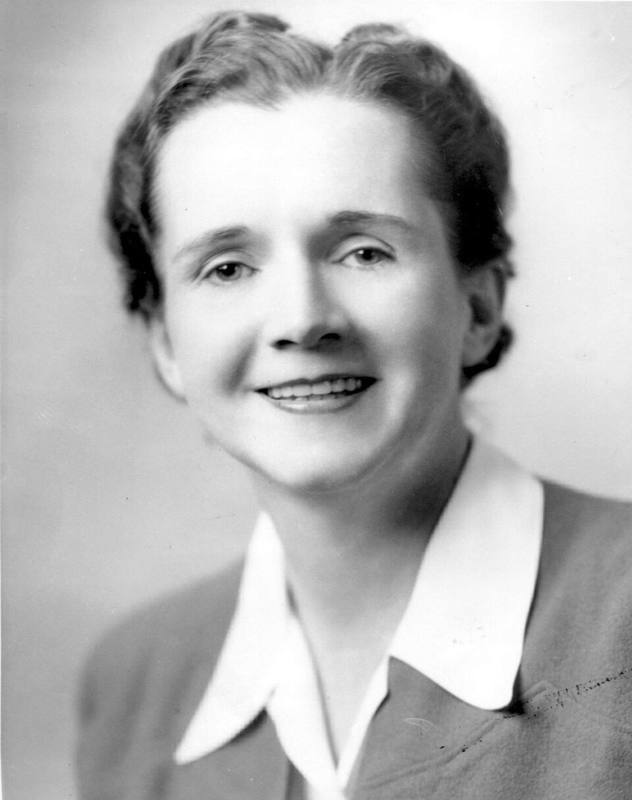 Same disease or problem1962Rachel Carson's Silent SpringBoth treated environmental pollution as a threat to human health, and the new EPA took charge of both air standards and pesticides. Carson's entry shows the book whose pressure led to the cancellation of DDT in 1972.Read this moment