Patients & Rights
1970
Our Bodies, Ourselves
A course written by Boston women for other women became a cheap newsprint book in December 1970 and then a commercial health guide. It put plain information on anatomy, sexuality, contraception, abortion and childbirth directly in women's hands.
Key people
- Nancy Miriam Hawley
- Founding member of the collective; signed the 1970 course introduction
- Wendy Sanford
- Founding member of the collective; signed the 1970 course introduction
Source
The book began at a women's liberation conference at Emmanuel College in Boston in May 1969, where one workshop was called "Women and Their Bodies." Several women who met there wrote a questionnaire about how women felt about their bodies and their doctors. Deciding they would have to learn for themselves, they met weekly, reading textbooks, questioning medically trained people and comparing their own experiences. They first called themselves the Doctor's Group.
Each member took a topic: anatomy, sexuality, venereal disease, birth control, abortion, pregnancy, prepared childbirth, the weeks after birth, and how hospitals and medical institutions worked. By the fall they were teaching the papers as a course to other women in the movement. Women who took the course joined in rewriting the papers for print, and nineteen women signed the introduction to the printed version by name, among them Nancy Hawley, Wendy Sanford, Jane Pincus, Esther Rome and Paula Doress.
New England Free Press in Boston issued Women and Their Bodies in December 1970: 5,000 copies on newsprint, stapled, at 75 cents. The chapters described doctors' attitudes toward women patients as often condescending, and the birth control chapter told readers that only 1 percent of American women could get a legal abortion and that illegal abortion was the commonest cause of maternal death in the country. A shorter edition came out in April 1971 under the title Our Bodies, Ourselves, and its price was cut in stages to 30 cents. By January 1973 the press had 225,000 copies in print.
To sign a contract with Simon & Schuster the group incorporated in 1972 as the Boston Women's Health Book Collective, and the first commercial edition appeared in 1973. A revised edition of 1976 became a national bestseller. The organization counts nine U.S. print editions over forty years, the last in 2011. The organization took the name Our Bodies Ourselves in 2002, and by June 2025 resources based on the book had been produced in 34 languages.
Keep exploring
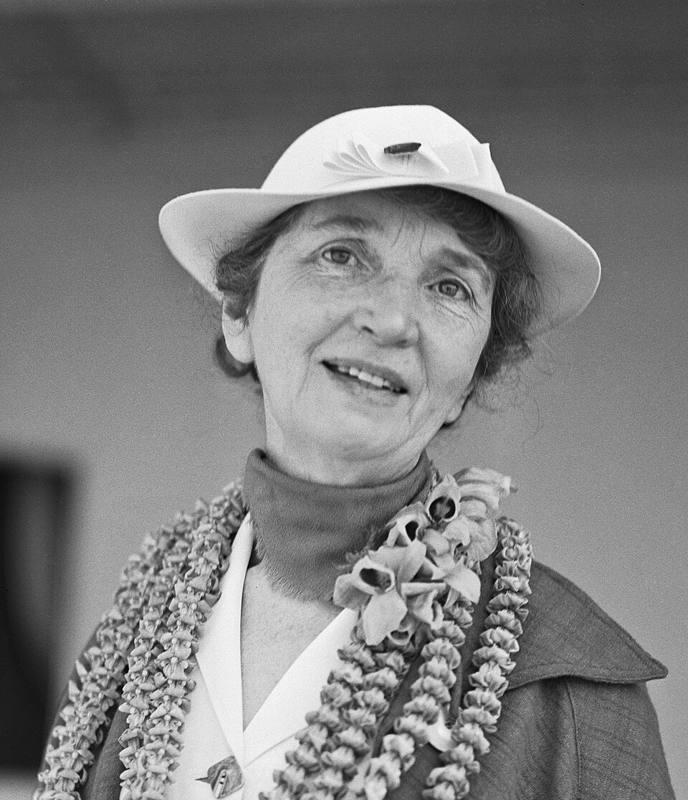 Read next · same disease or problem
Sanger's Brownsville birth control clinic (1916)
Both put birth control knowledge directly into women's hands when law or doctors kept it from them. Sanger's entry shows the 1916 Brooklyn clinic that police closed within ten days, and the court case that followed.
Read this moment
Read next · same disease or problem
Sanger's Brownsville birth control clinic (1916)
Both put birth control knowledge directly into women's hands when law or doctors kept it from them. Sanger's entry shows the 1916 Brooklyn clinic that police closed within ten days, and the court case that followed.
Read this moment
 Today on The Clinical Times
Love to Dream recalls portable baby sound machine over fire and burn risk
Love to Dream has recalled its portable Sleep Machine because its lithium-ion battery can overheat while charging with an incompatible charger, creating a risk of fire and burns.
Read today’s top stories
Today on The Clinical Times
Love to Dream recalls portable baby sound machine over fire and burn risk
Love to Dream has recalled its portable Sleep Machine because its lithium-ion battery can overheat while charging with an incompatible charger, creating a risk of fire and burns.
Read today’s top stories
All 526 moments in the history of medicine. This one is in chapter 6, Trials, scanners and rights
Connected moments
How this moment links to others in the history of medicine, and what you will find in each.
-
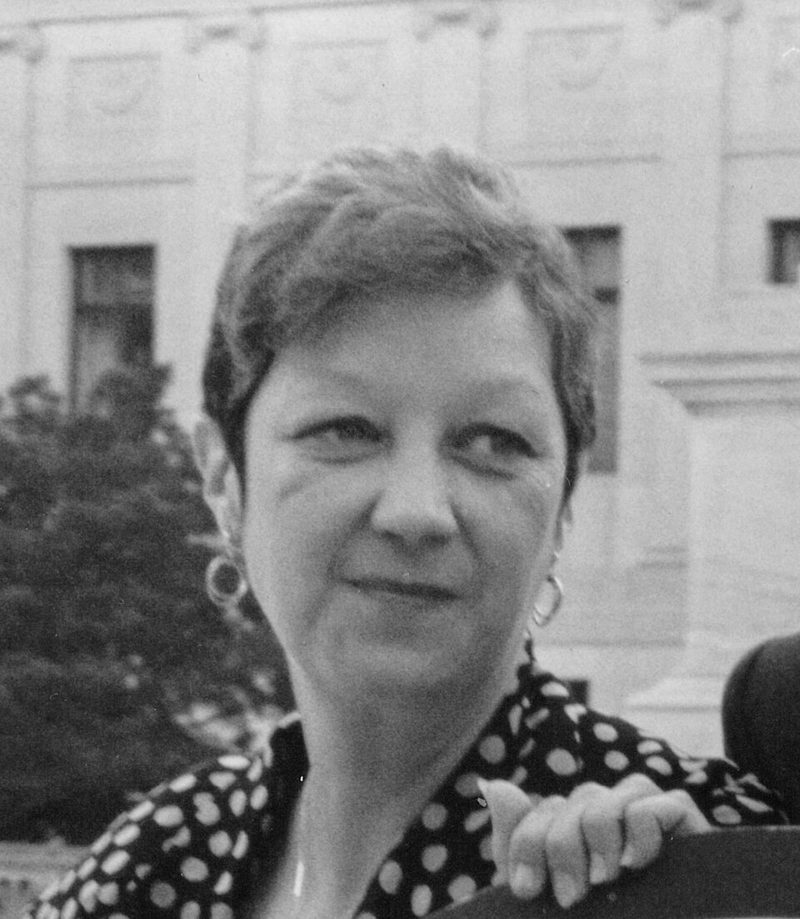 Same disease or problem1973Roe v. WadeThe 1970 book told readers that illegal abortion was the commonest cause of maternal death, three years before Roe. The case shows the Supreme Court recognizing a qualified constitutional right to end a pregnancy.Read this moment
-
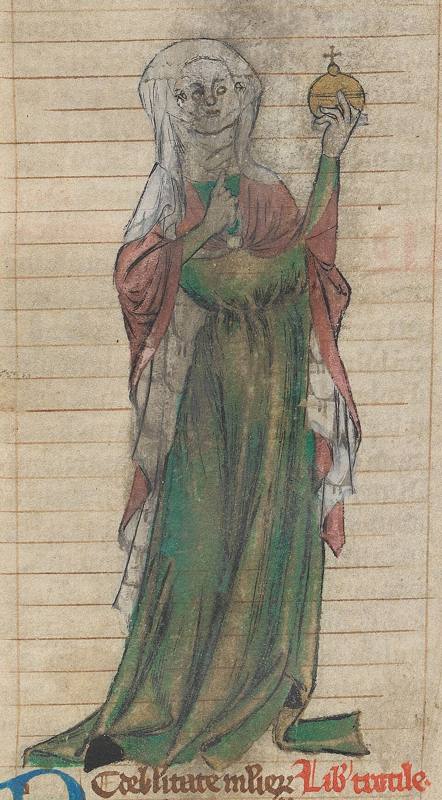 Same disease or problemc. 1100Salerno's medical school and the TrotulaNine centuries apart, both gathered knowledge about women's bodies into books that were copied and spread widely. The Trotula entry shows medieval Europe's leading texts on women's medicine, one drawn from a healer named Trota.Read this moment
- Same disease or problem1973The Patient's Bill of RightsBoth set out what patients should know and expect from doctors and hospitals. The bill of rights entry shows hospitals promising respectful care and the right to refuse treatment.Read this moment